The fashion industry is facing unprecedented scrutiny regarding its environmental impact, particularly its contribution to greenhouse gas emissions. As regulations evolve and consumers demand greater transparency and accountability, brands are seeking innovative solutions for decarbonizing their supply chains.
Companies are also under more pressure to address environmental and social issues in their value chains, with regulations like the EU’s proposed Corporate Sustainability Due Diligence Directive (CSDDD) intensifying this burden. A key focus of these regulations is Scope 3 emissions, which are often the largest source of a brand’s environmental footprint—despite coming from sources outside the company’s control.
Related Stories
For the fashion industry, with its complex and often opaque global supply chains, Scope 3 emissions present a significant challenge. Traditional offsetting programs, while valuable, can lack the direct connection and traceability that brands increasingly seek.
Enter the Climate Smart Cotton Program, an initiative of the U.S. Cotton Trust Protocol, offering a compelling alternative: carbon insets. Unlike offsets, which compensate for emissions elsewhere, insets represent verified emission reductions within a brand’s cotton supply chain. This crucial distinction provides a more direct, traceable and impactful path to decarbonization, allowing brands to directly invest in the sustainability of their sourcing practices.
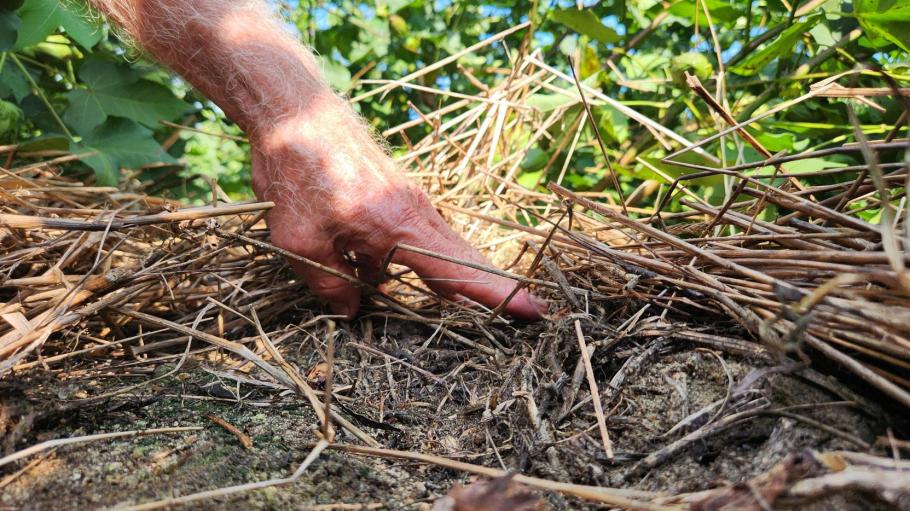
The Trust Protocol, upon which the Climate Smart Cotton Program is built, establishes a robust framework for sustainable cotton production. It provides quantifiable and verifiable targets and measurements that focus on six key sustainability metrics: land use, soil carbon, water management, soil loss, greenhouse gas emissions and energy efficiency. The Climate Smart Cotton Program takes this a step further, supporting the adoption of Climate Smart Agriculture practices, which sequester carbon in the soil, enhance soil health and reduce water usage.
The Trust Protocol is exclusive to U.S. cotton farms that are subject to third-party verification, which helps ensure the integrity and credibility of the resulting carbon insets. This provides brands with a risk-free investment in sustainably grown cotton, backed by credible data and a transparent supply chain.
Generating Value Across the Supply Chain
The Climate Smart Cotton Program invests directly in Climate Smart Agriculture practices within the U.S. cotton supply chain. By empowering growers to implement these practices, the program generates tangible environmental benefits including soil health, reduced water usage and increased soil carbon sequestration, which effectively lowers greenhouse gas (GHG) emissions. These reductions are rigorously quantified, verified and converted into carbon insets, which brands can purchase to support farmers in their sustainable practices.
This innovative approach creates a compelling value proposition for both brands and farmers. Brands gain a credible mechanism to reduce Scope 3 emissions, meet ambitious sustainability targets, enhance brand reputation and address growing consumer and regulatory demands. Simultaneously, farmers are supported in adopting sustainable practices, leading to improved farm resilience and a healthier environment. This shared value approach is essential for driving long-term sustainability within the cotton industry.
Traceability and Transparency: Beyond Offsets
The Climate Smart Cotton Program’s emphasis on insets offers a distinct advantage over traditional offsetting programs. The direct investment within the supply chain strengthens the relationship between brands and their suppliers, creating a more resilient and sustainable value chain. Furthermore, it offers greater transparency and accountability—a critical factor in today’s increasingly scrutinized marketplace.
“The Climate Smart Cotton Program empowers brands to make a real difference in their supply chain,” said Daren Abney, executive director of the Trust Protocol. “By purchasing insets, they’re directly investing in more sustainable cotton production and supporting U.S. farmers who are implementing these critical practices.”
Securing Your Sustainable Cotton Supply
This is the first year of the Climate Smart Cotton Program, and therefore the first year that its carbon insets are available in the market. Insets generated from the 2023-24 crop year are available for purchase through the first quarter of 2025. Globally recognized early adopter brands have already committed to purchasing carbon insets, recognizing their potential to reduce environmental impact, enhance brand value and resonate with environmentally conscious consumers. By investing in Climate Smart Cotton, brands can take a decisive step toward reducing their environmental footprint and building a more sustainable future for the fashion industry.
“The Climate Smart Cotton Program is a collaborative effort,” Abney said. “By working together, brands and farmers can create a more sustainable future for the cotton industry. By purchasing carbon insets, brands are investing in a more efficient and resilient supply chain, while also helping to enhance their brand value and meet sustainability goals.”
Contact the Trust Protocol to learn more about the Climate Smart Cotton Program and its potential to contribute to a more sustainable future for fashion.