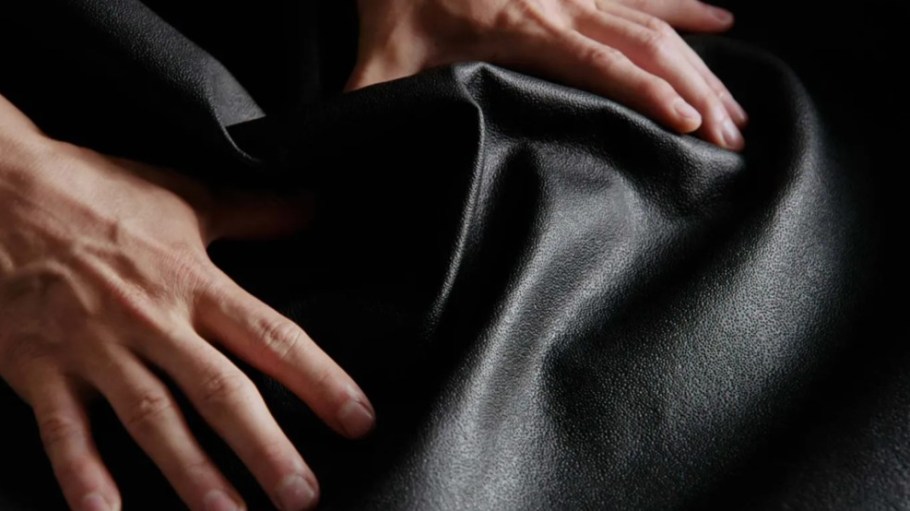
With the growing concern about the environmental impact of leather production, a number of alternatives to the material have been introduced that claim to offer a similar look and feel to natural hides with a higher level of sustainability. And according to a new report from emerging technologies research firm IDTechEx, the alternative leather industry will continue to expand at a rate of 37.4 percent over the next decade.
More than 20 billion square feet of animal leather is produced each year, according to the United Nations Food and Agriculture Organization. Much of that leather comes from cow hides, which come with a hefty environmental cost. A UN Industrial Development Organization (UNIDO) report estimates that one square meter of cow leather generates roughly 110 kilograms of carbon dioxide emissions, a number that includes greenhouse gas emissions from farming as well as tanning.
Related Stories
While leather alternatives made with plastics have been around for a while, the sustainability profile of those materials has been called into question as well. Petrochemical feedstocks, microplastics and other issues have made plastic-based faux leathers less appealing in recent years.
“Most plastic leather is disposed into landfills while a concerning amount is mismanaged and released into the environment,” the report said. “As such, plastic leather cannot be the solution to the search for a sustainable alternative to animal leather.”
According to the report, more than $1 billion in investments have been made to develop alternative leather materials, particularly bio-based solutions. IDTechEx identified the four leading categories of bio-based leather alternatives as mycelium, microbial, plant-based and lab-grown.
Mycelium leather is made from the thread-like roots of fungi, which can be woven to create a texture similar to animal hide. For microbial leather, microorganisms such as yeast and bacteria undergo a fermentation process that produces byproducts that can be processed into a leather-like material. Lab-grown leather is produce by culturing animal skin cells in the lab to grow, and plant-based leathers come from materials derived from plant fibers such as apple skin and pineapple leaves that replicate the properties of traditional leather.
IDTechEx identified more than 70 companies developing bio-based leather alternatives, with most of them emerging over the past three to five years.
“(These companies) range from small exploratory startups to companies that have secured hundreds of millions in funding to begin scaling of production,” the report said. “Some strong market players in both mycelium leather and plant-based leather are at the precipice of scaling production and opening large scale factories for their materials.”
The report identified plant-based leather as the No. 1 and mycelium as the No. 2 most popular and viable of these bio-based alternatives. Microbial leather remains in the early stages of development with more investment and research needed to scale. And though it offers a much lower environmental impact, lab-grown leather cannot technically be classified as vegan as it comes from the cells of animals.
Though IDTechEx anticipates significant growth in the bio-based leather category through 2034, the report’s authors said the main challenge to that growth will be getting consumers and brands on board without compromising quality.
“Aesthetic, strength, durability, and sustainability are all factors to be considered when choosing leather alternatives, and investment hurdles and market competitiveness will still need to be overcome before real growth can be seen,” the report said.