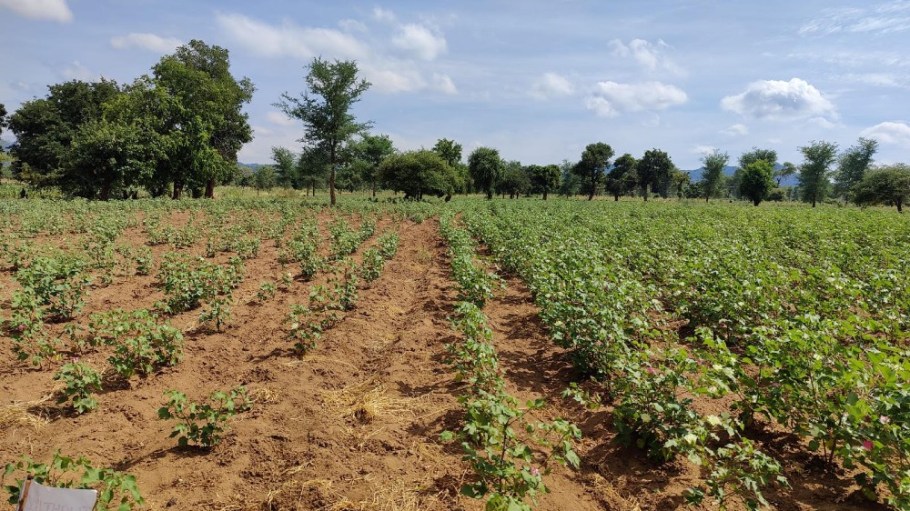
The Better Cotton Initiative is partnering with climate technology startup Planboo to launch a project that will pilot the production and use of biochar on cotton farms in India.
The project, which is set to begin in February, is designed to drive, measure and monetize environmental improvements while also assessing their scalability in the cotton farming sector. As part of the implementation, at least 75 farmers in India will transform their agricultural waste from January’s cotton harvest into biochar—a coal-like substance that can improve soil health and store carbon in the ground for more than a century.
Related Stories
According to the Better Cotton Initiative, biochar is responsible for 92 percent of the world’s carbon removals, and it has the potential to store 6 percent of annual greenhouse gas emissions. Carbon reduction and removal using biochar during this project will be traced and certified according to Carbon Standard International’s Global Artisan C-Sink Guidelines.
Three kilns capable of processing 375 metric tons of agricultural waste and yielding 60-70 tons of biochar will be installed in Gujarat and Maharashtra, India. Farmers there will be offered training to demonstrate how they can use the kilns to produce biochar as an alternative to the common practice of crop residue burning, which is damaging both to the environment and public health.
“Since announcing our partnership with Planboo in September, we have been working to identify the locations and partners required to test this promising solution,” said Lars van Doremalen, director of impact, Better Cotton Initiative. “Biochar holds the potential to unlock huge greenhouse gas emission reductions and carbon removals while fortifying farming communities against the effects of climate change.”
Throughout the project, Planboo’s digital measurement, reporting and verification system will log data points from biochar production to calculate carbon removals. The end-to-end software calculates waste inputs, biochar volumes and carbon removals, streamlining the availability of carbon data.
“Cotton farmers are sitting on an unrealized asset—their crop residues—currently going up in smoke,” said Freddie Catlow, founder of Planboo. “With Planboo’s MRVin technology, farmers can learn, burn and earn by turning their waste into biochar. This durable, accredited form of carbon removal builds resilience into soils, supporting farmers, the foundation of the cotton textile industry.”
The biochar project is set to conclude next year, at which time the Better Cotton Initiative will share outcomes and what they learned during the process with its members. Some of that data will include how biochar influences key agricultural indicators, such as crop yield and water retention, as well as reduction of farm-level emissions and carbon removal.
The Better Cotton Initiative and Planboo said they will assess the potential to scale this project by demonstrating its value through environmental and economic improvements at the field level to Scope 3 reduction and carbon credits. The organization said this could be particularly beneficial to the fashion and textile industries, as Scope 3 emissions account for the vast majority of greenhouse gases released through their production processes.
This project is the latest in a series of climate action programs for the Better Cotton Initiative. The organization is an implementing partner of the Unlock project—a collaboration of The Fashion Pact and 2050 to reduce climate impacts—along with partnering with Indigo Ag for a carbon emission reduction and soil carbon project in the United States. The Better Cotton Initiative also launched a new product label in October that allows brands and retailers to prominently display that their products contain BCI Cotton.