Pacsun is getting to know its target youth consumer better.
Last week, the retailer published its inaugural “The Youth Report by Pacsun,” a comprehensive study conducted in partnership with data and analytics firm, GlobalData. The report examines what matters most to Gen Z and Gen Alpha and interprets generational shifts in consumer behavior linked to mental health, identity and more.
The California lifestyle brand says the report will serve as a free annual resource for brands, media, and industry executives to better connect with these generations.
Related Stories
The report draws from over 6,000 Gen Z and Gen Alpha respondents (ages 11-24) across the U.S.
Social media’s influence on the generations is evident throughout the report—inspiring all aspects of their life from communication and how they spend to setting career goals. The study found that over one in five of respondents aspire to be or are currently pursuing a career as a content creator/influencer, with this rising to 28 percent among Gen Alpha.
Here’s a closer look at the report’s findings on social media’s impact on personal style, discovery and brand loyalty.
TikTok is the go-to source for fashion inspiration for both cohorts. However, if TikTok were unavailable, 47 percent of those who couldn’t live without it said Instagram would be their default platform.
While styles change, it’s still cool to be cool. Sixty-one percent of respondents said they like to “stay current and fashionable” and more than half said following trends help them fit in with their social group. Just 12 percent said they are not interested in fashion or personal style.
Trends are top-of-mind, but the cohorts value personal style, with 44 percent saying they blend trends with their own style, and 22 percent saying they’re unique style is not influenced much by others.
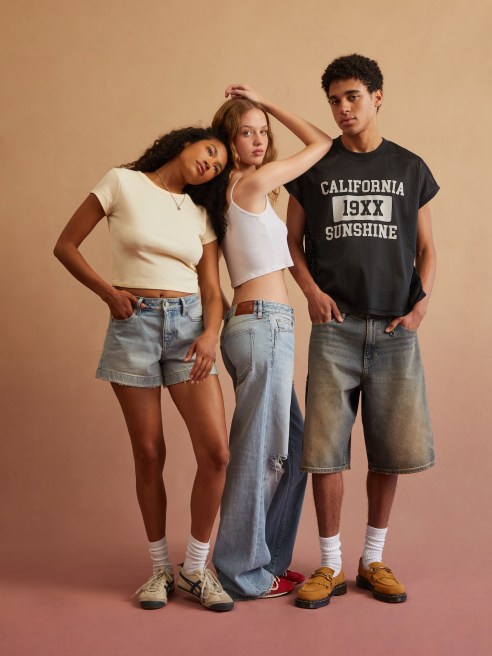
Instead of defining their style with terms like “preppy” or “boho,” the majority look at personal style through a wider lens that is less influenced by fashion cores or subcultures. More than half (54 percent) describe their personal style as “comfortable,” while 50 percent describes their style as “casual.”
While fashionistas, who actively follow trend reports, blogs or fashion pages, place aesthetics above comfort, the report finds that in general, Gen Z dress based on how they want to feel and Gen Alpha dress on how they want to be seen.
Nike, James Charles, Aimee Song, Camila Coelho, Kylie Jenner, Gucci, Kim Kardashian, Kai Cenat, Zendaya and Danielle Bernstein are among the cohorts’ most beloved influencers, the report found that musicians have had the greatest impact on style the in the past year. Over half of celebrities/public figures mentioned were musicians, including Rihanna, Taylor Swift, Ariana Grande, Selena Gomez and Cardi B.
Social media is Gen Z and Gen Alpha’s primary source for current events and pop culture. Though brands and retailers pour millions into marketing around events like Coachella and the Super Bowl, only a quarter of respondents said they have purchased products featured at such events and 26 percent strongly disagreed.
Influence only gets a trend or brand so far as accessibility is driving loyalty. Forty-six percent of respondents said “prices or affordability” make them stick with a fashion or lifestyle brand, followed by quality (44 percent) and good customer service (37 percent). A trend being “too expensive” is also the why 45 percent of female respondents said they don’t try switch up their style.
Price may be a roadblock, but it doesn’t mean young consumers are turning to fast fashion brands for cheaper dupes. The study found that 46 percent of Gen Alpha respondents will look for a similar trendy item from a more sustainable brand, while 22 percent of Gen Z say they avoid fast fashion sites.
The brands the cohorts named as their favorite fashion brand don’t entirely reflect this, however.
Nike was the favorite of 18 percent of respondents, followed by Gucci with 5 percent. Shein was the third most popular with 4 percent, followed by Fashion Nova (3 percent) and Zara (2 percent).
Just five percent of respondents say they check that products are environmentally friendly before making a purchase, and 18 percent make sure products are cruelty free.