Denim buying is entering a new era.
“2022 was a challenge, for sure—I think everyone was feeling kind of cautious, waiting for this impending recession,” said Jill Gindi, Blank NYC sales director. “But now it feels more cautiously optimistic.”
Gindi said the brand noted a pronounced shift in buyer attitudes in January as many retailers closed the books on a frustrating fourth quarter. “I think they’re just turning the page and trying to move forward with a new season,” she said.
Related Stories
The brand ushered in spring with denim in a buoyant palette of pink, Kelly green and lavender, she said. “Anything with cargo or utility pockets is strong, and in all different iterations,” from small to large. There’s a rebounding interest in stretch and comfort fabrications in light and medium weights, Gindi said. “We’re finding that’s our sweet spot.”
Blank NYC, which sells to department stores, specialty stores, e-commerce and off-price channels, has seen a much more pronounced trend toward buying in-season, Gindi added. “It’s really a challenge for us to make sure that we’re projecting and over-cutting on certain styles that we feel like are going to be strong,” she said. “More are open to buy, and retail is chasing a lot, which is always good.” Social media has also prompted a faster trend cycle, she added.
Price point has played a major role in buyer attitudes and flexibility this year, according to Taylor Young, Kut from the Kloth Midwest account executive. The highest MSRPs in the line are $109—up about $10 over the past year with changes to the price of raw materials, she said. Raising prices was not a decision the brand made lightly. “We’re coming off of our best year ever as a brand,” Young said.
Kut has a history of “doing well during periods of economic hardship,” she said. During the 2008 recession, the brand’s sub-$100 price point helped it remain accessible. “We didn’t suffer like other premium brands would have, because you could buy an $89 jean and get the top, too,” without feelings of guilt, she said. When a pair of denim costs more than $200, by contrast, the consumer feels compelled to make a practical choice. “It’s a totally different shopping experience,” Young added. Specialty boutiques in communities across the country are driving Kut’s business, underscoring to the brand’s desire to maintain price stability.
Buyers have shown a renewed interest in denim styles that can pull double duty between the office and everyday wear. “With people going back to work, we’re designing our line more for that customer—a little cleaner, a little less destruction,” she said. Wide legs, full-length flares and bootcuts have sold strongly for fall, all developed in lighter weight, stretch formulations. Prominent seaming and front pleats add visual interest to several styles, along with waxy coatings on dark washes.
“I think covid changed the way we dress, and our expectations for how we feel when we’re dressed,” said Christine Loule, Liverpool Los Angeles vice president of sales and merchandising. “Comfort continues to drive style,” she said, and “being in sweatpants for two years showed us that we don’t necessarily need to be all tucked in and wearing skin-tight jeans.”
With most styles retailing for around $100, the VP said Liverpool occupies a “sweet spot” for buyers—“the opening price point for premium.” While the brand feels attainable for a wide range of shoppers, “I think it reads longevity to the customer,” Loule said. Classic styling and quality are high on retailers’ checklists for the upcoming seasons, she added.
While Hudson Jeans is also leading with wide-leg fits, the brand serves a different subset of shoppers willing to spend between $185 and upwards of $500 on a pair of the brand’s jeans. Economic angst has colored some conversations with buyers, but hasn’t stopped them from placing fall orders, according to men’s specialty account executive Sophie Kalb. “There’s been talk of recession, and the fact that over the years, prices have been increasing,” she said.

The brand is known as much for its streetwear-inspired styles as its mainstream, contemporary silhouettes. Kalb said that specialty stores in the Midwest, including Detroit, are the largest consumers of streetwear and trend-forward styles replete with fading, distressing, undone hems, workwear details and paint splatters. But it’s the buyers of core styles who are commenting most often on the difficulties of selling luxury denim, Kalb said, despite some reports that 2022 was “their best year ever,” even topping the stimulus check era of the pandemic.
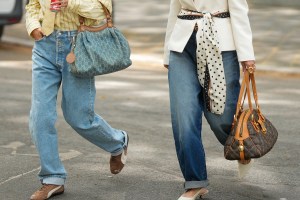
The movement away from skinny jeans persists on the women’s side, according to Paola Garza, Hudson’s women’s specialty account executive. “We’re definitely starting to see a shift towards a wider leg and a higher rise; people want that like baggy look,” she said.
Many retailers already have the brand’s best-selling core styles on order, but specialty stores and boutiques are most likely to buy into trends. “When you get into novelties, that will vary depending on how conservative their store is on trends.”
“Our accounts are really good about knowing what works for them, and they’re sticking to what they know that they can sell,” Garza added. “Every once in a while you can convince a few of them to do something different and take a risk.” If there’s no reward, the brand will work with its accounts to find another fix. “If [a style] is sitting for months, it hurts both of us, so we’ll find a solution and swap out the style for something else,” she said.
Joe’s Jeans also works with retailers to replace stagnant product at the end of the selling season, according to West Coast women’s account executive Lauren Grant. The brand’s buyers are gravitating toward polished, practical styles, she said. “The fashion has definitely slowed down lately.”
“People are accepting a more casual look, but they want to be able to wear their jeans to work,” and are therefore looking for comfortable, versatile fits. Price point is high on the list of considerations for both spring and fall. “Our denim that’s right at or slightly under $200 is definitely retailing best,” she added.
“I think that everybody’s buckling down on their budgets,” added Todd Picciano, director of sales. “I think receipts are being cut to a degree, whether it be majors or specialty stores.” Most premium denim vendors work with their accounts to reconcile products that remain on shelves, he echoed. “At the end of the day, your relationship is a partnership that you build, and you want to make ensure that they’re never stuck with products.”
Retailers are also pushing out the decision-making timeframe to give themselves more runway to gauge consumer demand. “It’s hard to think about six months from now when you’re trying to move inventory now,” Picciano said. “So I think people are buying a little bit closer to season.”
Men’s buyers are gravitating to straight legs and slim-leg straight fits, he added. Cargos and camos remain popular in some markets, but “denim’s getting clean again,” after a period where jeans where distressing was the norm. “Now, everybody’s gone back to work,” he added. “That’s what they need versatility in aesthetic.”