Denim Head is Rivet’s discussion series with voices in the industry to get their take on the innovations, brands and designers shaping the future of denim.
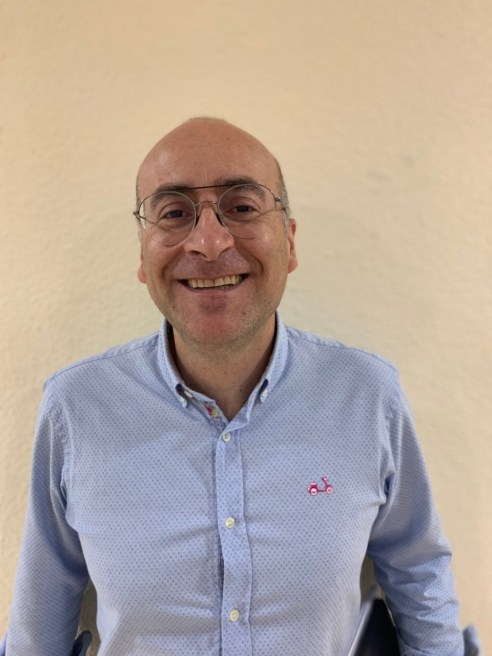
From launching a new app to inking a deal to use Recover‘s branded recycled cotton, the business of making denim is constantly evolving for Evlox. Francisco Ortega, the Spanish mill’s R&D manager, is at the helm of many of those changes, including a shift to recycled inputs and sustainable processes. Here, Ortega shares his vision for a more sustainable and traceable future.
Related Stories
Rivet: What is the most inspiring technology or collection that you’ve seen recently?
Francisco Ortega: Technology for recycling materials must be a priority. Now it’s even an obligation when creating a new collection. Our latest collections have been a real achievement in including new items with recycled materials. For example, the Renim and Renim Plus ranges use recycled cotton.
We have also incorporated important concepts into our collections leading us to complete sustainability such as regenerative organic cotton, biodegradable elastane, and using natural materials that consume less water in their cultivation like linen, hemp and bamboo. These collections are also produced with increasingly more sustainable denim dyeing and finishing technologies, in terms of water and energy savings and also in the use of certified chemical products.
Rivet: What lessons has the pandemic taught the industry?
FO: The pandemic has taught us that the proximity of the raw materials that we use in our processes must be a priority when it comes to creating a collection and we must be able to adapt our creations to the resources we have nearby. Our customers also realize this, and we have regained customers who have come back to us for the proximity of our production center to their needs—aside from the fact that they like our product.
Rivet: Which brand or designer in the market do you think is making the biggest impact?
FO: I really like following brands and their designers in general. If I had to name a brand, I would say Glenn Martens, the creative director of Diesel, is someone I personally find to be one of the most influential creators at the cutting edge of denim. His work is a source of inspiration for the sector. I love how he puts patterns together, his historical references and urban edge, exploring and making use of the unisex concept.
Rivet: What is your personal philosophy on shopping and caring for your denim?
FO: My philosophy is to responsibly buy quality, sustainable denim and for the true essence of denim to remain. [I support] brands that are aligned with sustainable creation, that reflect my sustainability values and my taste in denim looks.
Rivet: Which part of denim manufacturing needs more innovation, and why?
FO: I think that we have made a lot of significant progress in the care of natural resources and raw materials used to create denim and I strongly believe in the circular economy of denim. There is still a long way to go, and innovation depends on the sustainability of the new color and finishing processes. These are the characteristics that can make denim more innovative and stand out.
Rivet: What was your last denim purchase?
FO: I love denim and I have a wardrobe full of different styles of jeans. I think my last purchase was a gray pair of recycled cotton vintage comfort stretch jeans.
Rivet: Describe the jean of the future.
FO: It is made with 100 percent sustainable denim, from the raw material to the processes performed to obtain it and it is also 100 percent traceable. What I mean by that is that anyone buying a pair of jeans can know where they have been made and the source of the material they have been made from.
Rivet: What has most contributed to sustainable denim?
FO: You can’t talk about denim today without mentioning the concept of sustainability. Denim is one of the products taking giant steps towards complete sustainability. At Evlox, this is mainly happening via two different ways of working—using sustainable raw materials and using sustainable processes for dyeing, finishing and washing. Also very important is the use of renewable energy. In our case by 2025, 100 percent will be green thanks to a mix of wind and solar energy.