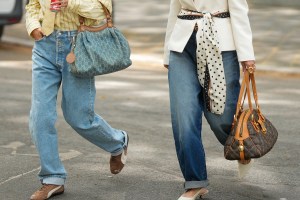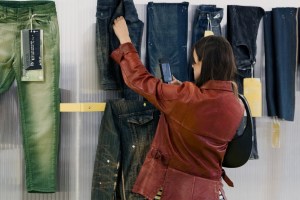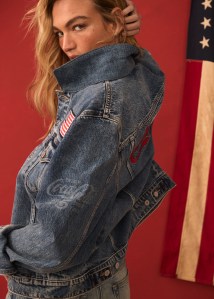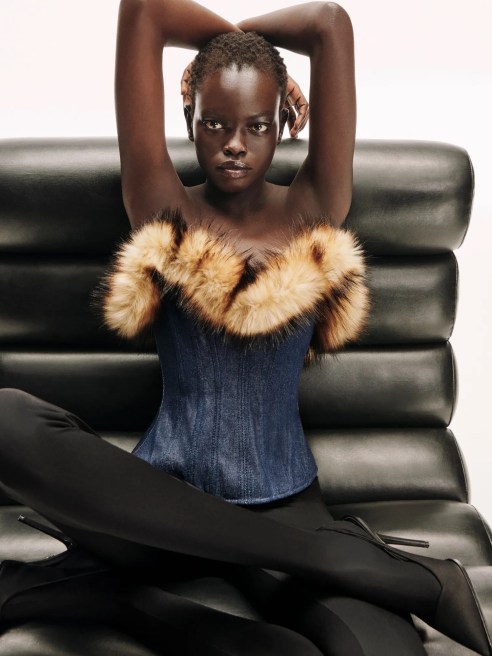
According to Denim Dudes founder Amy Leverton, several cultural undercurrents are shaping denim trends for Fall/Winter 2026–2027—including a rising wave of conservatism in the U.S., Gen Z’s ironic embrace of millennial fashion staples as costume, and the ongoing tension between digital clout and real-life connections.
The culture vulture presented the forecast last week at Denim Premiere Vision in Milan, detailing four themes (Come as You Are, Touch Grass, Romantic Resistance and Nu-Nerd) and the drivers dictating the directions.
Related Stories
“There are definitely common threads, as there is every season, that run through all four stories,” Leverton said. “Some of the things that we’re really noticing is this backlash to the chronically online lifestyle that we’re all experiencing, and a return to IRL and the demand for trans-seasonal, elevated basics, rather than seasonal ‘It’ pieces and micro trends.” She said this return to personal style is especially challenging for designers “because that means anything goes which is tricky to design into.”
Rooted in counterculture, the theme Come as You Are is a throwback to life before social media, with strong elements of 2000s indie sleaze. “This story is really not about how clothes make a person cool; it’s about the wearer’s attitude, interests and aura that make the clothes matter,” Leverton said.

Grounded in basics with a twist, the theme is “not your typical mainstream looks,” she said, adding that there is push back against austerity and a “growing rejection of the overly saturated and curated Instagram aesthetic.” The theme magnifies subcultures by combining elements of punk, goth, grunge and metal.
Influences from the Gen Z-led vintage boom are evident. Leverton noted that brands’ main competitors today are not other brands but are vintage detailers and they are commanding serious price points. Additionally, vintage fashion associated with cultural moments are gaining value. It’s less about a garment’s age to young consumers and more about their cultural currency, she said.
This anti-establishment mindset translates to denim with dirty shades of indigo, impure neutrals and green casts, accented with pops of fiery red and pale yellow.
Ironic takes on activewear, blackened leather looks on denim, destroyed and tonal coatings and rock ‘n’ roll animal skins are key. Anything goes with fits, including Gen Alpha kids ironically wearing the same skinny jeans as their millennial moms. Heavy hardware, ’90s tattoo art and classic Helvetica fonts from the noughties, chunky belts, waistband prints and heel drags—which Leverton said women wear as a badge of honor—are among the details that amp up the theme’s edgy vibe.
In Touch Grass, denim revisits 2008-2010 when fashion was swept up with normcore and heritage. The theme recreates ideas like timeless designs, eco-friendly practices and a “less is more philosophy” through Gen Z’s more fluid and playful approach.
“This story is a soft landing for anyone who is feeling burnt out by the chaos of the trend landscape right now,” Leverton said.
The pursuit of a more rural lifestyle, analog hobbies and going off grid are driving this direction. A color palette of natural tones from grassy green and rustic neutrals to naturally occurring vibrant pops of orange reflect this connection to nature. Textures and trims with raw finishes help tell this organic story. It’s also an opportunity for brands to explore natural dyes and sun bleaching.
Japanese selvedge, raw denim, nylon denim and protective silhouettes are key as well as technical zips and ties. Ski wear is coming back in the form of fleece-lined and fur-trimmed denim and snow camouflage. While western has become a perennial trend, Leverton said a softer and less exaggerated version is coming through. “It’s not Beyoncé…less diamante,” she said referencing the singer’s commercials for Levi’s.
Conservatism is another factor and example of how fashion reflects culture. Leverton said trends like western, cottagecore, Americana and conservative styles of dress, in general, were precursors to where things were the U.S. presidential election was heading last year. “Everything is political and, in your face, right now. It’s always there,” she said. Leverton noted the right-wing styling tropes trending in the U.S. like golf core and utilitarian outdoor-inspired clothing—a blending of function with style and heritage.
Romantic Resistance, Denim Dudes’ third trend for F/W 26-27, is about love, creativity and fashion being used as a powerful form of resistance. It highlights how fashion is entering a new era of craftsmanship that prioritizes storytelling over traditional details like stitching and finishing. It also shines a spotlight on brands that don’t chase cultural relevance.
“This craft is building culture in real time because today’s most compelling brands are not just making garments. They are building entire worlds,” Leverton said. “And for Gen Z, we really noticed that brand heritage and brand recognition alone isn’t cutting it. It doesn’t really hold that much weight for Gen Z, especially not Gen Alpha. What matters is how brand shows up ethically and emotionally and experientially, beyond just marketing.”
Collective creativity, multi-purpose and sensory-driven retail spaces and brands that support and give credit to independent artisans are fueling this theme.
Re-engineered silhouettes, twisted seams and baggy fits live here. Jacquard fabrics with loose threads create a furry surface, while appliqués and smocking nod to the theme’s focus on craftsmanship. Stacked belts and charms—both real and printed—add personal touches. There’s also a softening of men’s wear that Leverton said bring more sentimental touches, cute iconography, hearts and bows to the scene. Exaggerated hourglass silhouettes have genderless appeal.
“Whether you are a commercial brand or a directional brand, you need to push the needle a little bit in order to get people’s attention,” she said.
In Nu-Nerd, fashion flips the script of what society deems is cool by embracing the antithesis the high fashion trends. “The coolest thing you can do is not think about clothes whatsoever,” Leverton said.
Instead, the commercial theme embraces geekdom and “owning your own enthusiasm and ambition.” Staples like button-down shirts, pencil skirts and blazers become quirky heroes through unorthodox color pairings, awkward shapes or offbeat looks, Leverton said. Office attire becomes a form of cosplay.
Quirky collegiate looks and unexpected styling add a sense of playfulness. Pleating and jeans with center creases smarten up denim. Unique patinas, matte and powdery coatings and artful tints comingle with bejeweled embellishments and sparkly fabric.
Multiple references from the 1940s to the noughties come together encompassing a new idea of retro, Leverton said. Jean jackets with fur collars channels a richness from the ’70s, while the ’80s comes through awkward proportions and heavy silhouettes.