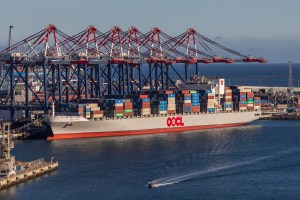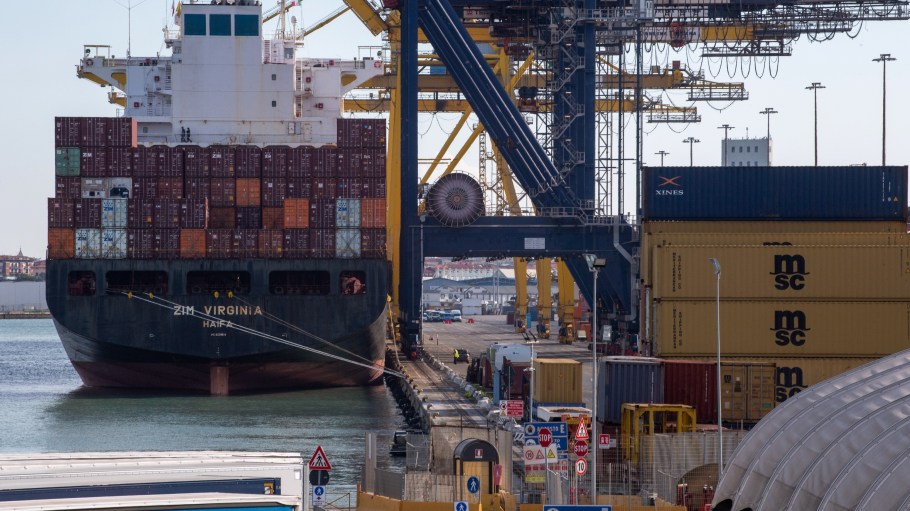
Mediterranean Shipping Company (MSC) is denying reports that it is a suitor for fellow container shipping line ZIM, scratching off one possible option for the ocean carrier.
“We wish to deny any interest in acquiring ZIM,” an MSC spokesperson told maritime shipping publication Lloyd’s List on Wednesday, saying a bid was never on the table.
Sourcing Journal reached out to MSC. Israeli business publication Calcalist first reported that the Switzerland-based company, which operates more vessels than any other container shipping firm worldwide, was the “leading contender” to acquire ZIM.
Related Stories
Hapag-Lloyd had also reportedly submitted a bid for the Israeli shipping line, with Maersk also being tied to an interest in bidding.
Hapag-Lloyd has not denied the reports, indicating that the shipping company does not comment on market speculation.
ZIM has previously denied to publicly comment on an acquisition by another carrier, but has been open about the company’s board putting it under strategic review. The company enlisted investment bank Evercore as its financial advisor throughout the review, which has lasted for the past several months.
The board said it has received indications of interest from multiple parties.
Months ago, ZIM CEO Eli Glickman led a group seeking to buy out the container shipping line and take it private. But the reported $2.4 billion offer, which also was said to include Israeli shipping tycoon Abraham Ungar and five of ZIM’s senior executives, was rejected because the price tag didn’t meet expectations. As of Monday, ZIM’s current market cap is $2.41 billion.
With neither company being part of one of the three major vessel-sharing alliances, MSC and ZIM currently have a partnership of their own. The companies already operated a trans-Pacific Northwest service line and debuted a new trans-Pacific cooperation in February that offered six weekly services between Asia and the U.S. East and Gulf Coasts.
The carrier’s strategic review coincided with a threat of a proxy fight waged earlier this month by a minority investor group, which sought to replace three of the board’s eight members with its own outsider nominees. The proxy fight included demands that the company distribute part of its cash reserves as a dividend.
On Tuesday, ZIM announced it reached an agreement with the shareholder group to end the proxy fight and expand its board from eight to 10. The board now unanimously recommends shareholders to vote for all 10 nominees at its annual investor meeting on Friday.
Two of the investor group’s nominees are included on the ballot, while the third has been appointed as an observer to the board.
“With broad support for the full slate of directors, the board can remain fully focused on completing its strategic review and maximizing value for all ZIM shareholders,” said Yair Seroussi, chairman of ZIM’s board of directors.
Any bid by a foreign entity is likely to face some scrutiny, with Glickman indicating that many parties wouldn’t be willing to take on the risks. Glickman and Ungar could still return with another proposal according to Calcalist.
Hapag-Lloyd’s reported bid on ZIM has come with plenty of backlash from the company’s employees, who are upset that the Germany-based carrier’s shareholders include state-owned funds out of Qatar and Saudi Arabia. Those funds own roughly 22 percent of Hapag-Lloyd’s existing shares.
The workers’ union has argued that transferring the company to foreign owners, namely those with ties to governments that have historically had tenuous relationships with Israel, puts the country’s national security at risk.
The Israeli government owns a “golden share” in ZIM, which further complicates any foreign sale. This provision is designed to protect the country’s interests in private companies deemed essential for national security, infrastructure and transportation, like its national air carrier El Al and oil refineries in port cities Haifa and Ashdod.
With its golden share, the government has veto powers over transactions if more than 24 percent of a company is sold. Under the provision, ZIM must have a majority-Israeli board, an Israeli chairman and a fleet of 11 ships available for state use in emergencies.
Israel’s Prime Minister Benjamin Netanyahu and Transportation Minister Miri Regev would have to sign off on a deal.
According to Calcalist, the union reportedly held a meeting with Regev, who pledged to raise the issue for cabinet discussion. ZIM’s strategic review has not been discussed during recent cabinet meetings.