The family in charge of Mediterranean Shipping Company (MSC) is reportedly considering splitting off two Panama ports from a deal that saw the world’s largest ocean carrier join a BlackRock-led consortium to buy 43 ports from a Hong Kong-based port operator.
That $22.8 billion deal has magnified the geopolitical tensions surrounding the Panama Canal, which has been a target of U.S. President Donald Trump. The president has asserted that the U.S. should “take back” the 50-mile trade artery on the grounds of alleged growing Chinese influence in the canal. Chinese officials have publicly spoken out against CK Hutchison Holdings’ sale of the two ports, which operate on both sides of the canal.
Related Stories
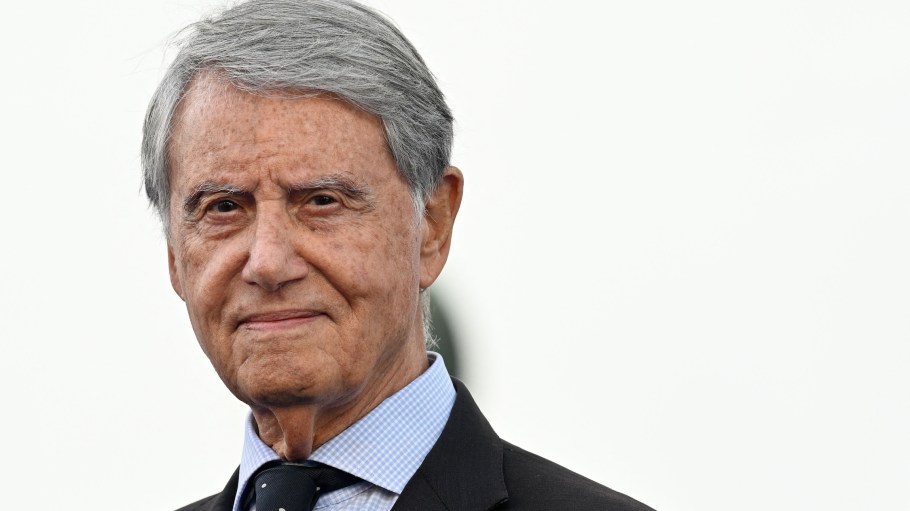
According to a report from The Wall Street Journal, MSC founder and chairman Gianluigi Aponte and his son, company president Diego Aponte, have held discussions about moving ahead with separately buying the remaining 41 ports as the drama escalates between the U.S. and China.
Another report from Bloomberg indicates that the Apontes are emerging as the lead investor—and prospective sole owner—in the deal for the non-Panama ports.
The current deal already has two components with different ownership structures.
The BlackRock-MSC group would acquire CK Hutchison’s 90 percent interest in subsidiary Panama Ports Company, but would still need the Panamanian government to approve the proposed transaction.
And in the second part of the deal, the consortium would acquire 80 percent of the operations at the dozens of other ports across 23 countries. That would have given MSC’s port operator, Terminal Investment Limited (TIL), a 51 percent stake in the global ports assets, with the remaining 49 percent owned by a BlackRock entity.
Separating the Panama ports would ultimately require the parties to reach a new agreement. The BlackRock-MSC consortium and Hutchison are still under a 145-day exclusive negotiating window and have yet to sign definitive agreements.
The parties first reached an agreement in principle on March 4. The Panama portion was expected to be signed on April 2, but Hutchison postponed it as China’s leading antitrust regulator opened a probe into the deal.
According to the WSJ, the global portion of the deal could be completed in three to six months, though the Panama part could take up to a year.
MSC’s reportedly growing influence in the deal comes as the container shipping giant just became the first carrier to operate 900 total vessels in its global fleet. The Swiss company now has approximately 6.5 million 20-foot equivalent units (TEUs)—nearly 1 million TEUs ahead of Maersk—and still has another 132 vessels under construction.
Subsidiary TIL owns more than 70 terminals across 31 countries, which operate in some of the world’s biggest ports including Singapore, Ningbo, Los Angeles, Long Beach, Rotterdam, Antwerp and New York and New Jersey. Giving the company 43 ports worldwide would further extend MSC’s dominance throughout ocean shipping as one of the largest port and terminal operators globally.
Countering the reports of the Apontes’ point of view, BlackRock CEO Larry Fink said at an Economic Club of New York luncheon last week that the acquisition still includes the Panamanian ports and is being treated as a single transaction.
Fink said he was “optimistic” of a solution, and said he was confident “as of the moment” that the ports of Cristobal and Balboa would remain part of the deal.
Despite the geopolitical circumstances, Hutchison’s co-managing director Frank Sixt claimed in the initial announcement that the acquisition was “purely commercial in nature.”
The Wall Street Journal article suggests that the older Aponte kicked off informal discussions with Hutchison chairman Li Ka-Shing before the Panama Canal dispute came into the picture.
Although the deal was open to under 10 bidders, according to Bloomberg, the BlackRock- and Aponte-backed consortium was chosen partly because the family had long ties to Li.
Other parts of the combined deal have been on rocky footing within Panama. Panama’s top auditor accused Hutchison of owing the government $300 million as part of its prior contract first signed in 1997. The comptroller general also accused the port operator of breaching an agreement to share 10 percent of net income to the government.
Those allegations followed a government audit first opened in February into Panama Ports Company, as well as a suit filed by two Panamanian attorneys challenging a recent contract extension between the port operator and the government in 2021. The suit drew the attention of Panama’s attorney general, who called on the country’s Supreme Court to declare the contract unconstitutional.