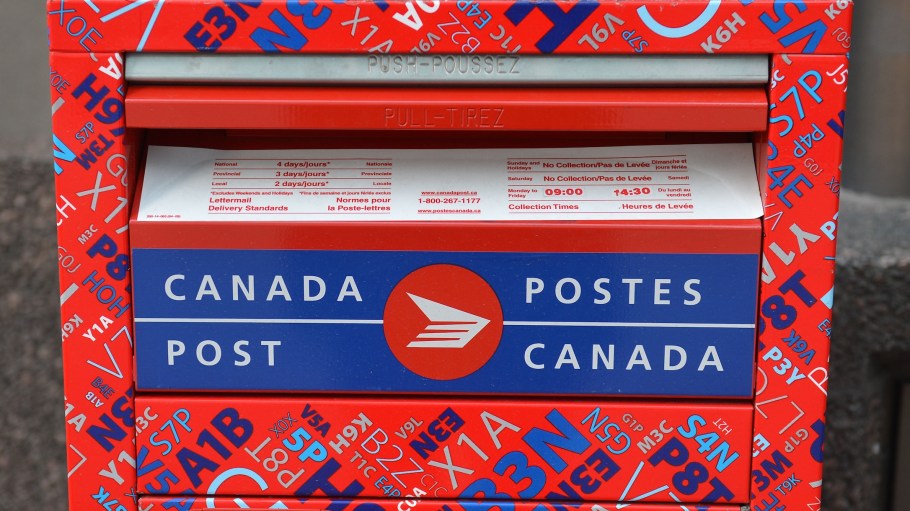
As the Canada postal workers strike nears four weeks, Canada Post doesn’t appear to be budging to union demands, calling them “unaffordable and unsustainable.”
According to the national courier, the latest offer from the Canadian Union of Postal Workers (CUPW) would cost more than $3 billion over four years. The long-term fixed costs associated with wage increases, staffing changes and other proposed benefits clash are a tough sell for Canada Post, which expects to incur its seventh consecutive annual loss in 2024.
Related Stories
Since 2018, Canada Post has lost more than $3 billion. The federally owned Crown corporation is in a financial quandary like its contemporary south of the border, the United States Postal Service (USPS). The USPS expects to lose $6.5 billion in 2024, but pension contributions and workers’ comp costs make up roughly 80 percent of the losses.
More than 55,000 workers represented by the CUPW went on strike on Nov. 15, effectively halting all mail and parcels in Canada from being processed or delivered since.
The union proposed wage increases of 19 percent over four years, including a 9 percent increase in the first year, while Canada Post has offered wage hikes of 11.5 percent over four years (12 percent compounded).
“While we recognize that CUPW has moved on its wage demands, the union’s proposal remains well beyond what the Corporation can afford, given its significant losses and deteriorating financial position,” Canada Post said in a Wednesday statement.
The union is demanding 10 medical days a year on top of the seven personal days already in the collective agreement.
Canada Post is proposing 13 multi-use personal days per year, protected and built into the collective agreement. This includes the six additional personal days per year that employees received because of changes to the Canada Labour Code in 2022. Employees would have flexibility on how to use the six additional days, whether it be a personal day, vacation or sick leave.
The agency claims the CUPW is focusing on “adding workers they don’t represent,” which would tack on more fixed costs. The union has demanded that Canada Post facility cleaning staff and other contracted support services become permanent employees.
Another point of contention within the contract negotiations includes Canada Post’s decision to expand parcel deliveries to Saturday and Sunday. The agency says it would schedule carriers for five days in a week on a seven-day calendar to cover the ground, but the two sides have been unable to come to an agreement over how to staff weekends.
Canada Post has proposed creating new, permanent staffing positions that would support weekend delivery and offer guaranteed hours and benefits.
“To better serve customers and align with their evolving needs, we need a delivery model that allows us to deliver seven days a week and more quickly adapt to the growing e-commerce market,” Canada Post said.
The mail and parcel delivery group has also proposed dynamic routing measures that would allow it to plan and optimize delivery routes based on volumes, delivery addresses and pickups.
“Although the Corporation has signaled that a dynamic routing model is necessary to secure its future and remain competitive, the union has refused to engage or propose any solutions regarding dynamic routing,” said the postal group.
The strike is ill-timed given its occurrence during the holiday season, disrupting shipments both within and in and out of Canada.
Canadian businesses are certainly not thrilled. According to the Canadian Federation of Independent Business (CFIB), the strike has cost the SMB sector at least $76.6 million Canadian dollars ($54.1 million) per day.
The strike has negatively impacted three quarters of SMBs, according to the federation. Among those, 41 percent reported cost impacts totaling $2,000 ($1,412) in lost orders, more expensive delivery alternatives, late payments and the inability to promote their business at a crucial time of year.
Overall, 69 percent of small business owners want the government to introduce back-to-work legislation, the group said. The federal government has still not tried to intervene in the work stoppage, unlike earlier this year when it stopped lockouts at the country’s two largest railroads and at ports in British Columbia and Quebec.
“It’s not Grinch who is about to steal Christmas. It’s Ottawa sitting idly on the sidelines while small businesses are losing crucial revenue and sales due to circumstances outside of their control,” said Corinne Pohlmann, executive vice president of advocacy at CFIB, who cited that Labour Minister Steven MacKinnon “has the power to put an end to this mess.”
Canada’s postal worker strike came nearly a month after the USPS and 200,000 of its own union workers reached a new tentative contract. That deal still needs to be ratified.