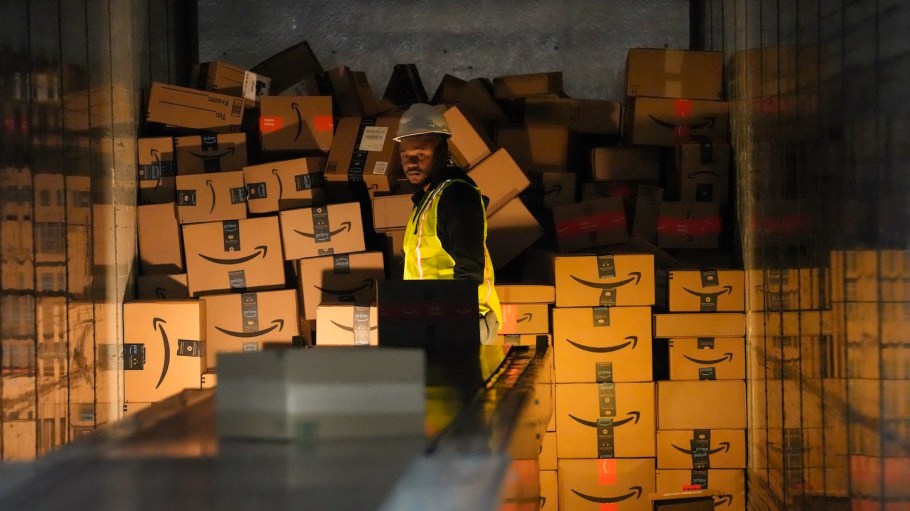
Amazon says it is experiencing longer receiving times at some of its West Coast inbound locations due to high demand, causing a capacity crunch at the e-commerce giant’s warehouses and resulting in longer lead times for the marketplace’s third-party sellers.
The delays impact sellers using the Fulfillment by Amazon (FBA) service, according to the tech titan, which also said it is rerouting shipments to other regions to increase capacity.
In a post on its seller central forum on Thursday, Amazon recommended FBA sellers to cancel any shipments that they don’t intend to send through Oct. 31, as it will impact capacity limit utilization.
Related Stories
“We know how important it is for your inventory to be ready for peak season,” Amazon said in the post. “We’re continuing to monitor the situation and are working hard to ensure your inventory is placed before your deals start.”
To encourage sellers to send more inventory elsewhere, Amazon lowered the inbound placement service fee for shipments to the East region by 5 cents per unit.
Amazon developed its inbound cross-dock (IXD) network to streamline the flow of goods into its wider fulfillment network. These facilities are located near major ports to minimize inbound ground transportation expense from the port to the IXD facility. Ten of these warehouses are in California, while two are in Washington, says MWVPL.
These inbound facilities have likely experienced backlog due to an onslaught of cargo flowing in throughout major West Coast ports in summer 2024 as more retailers like Amazon pulled goods forward ahead of the Oct. 1 East and Gulf Coast port strike.
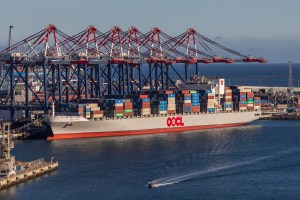
During the third quarter, the Los Angeles and Long Beach ports had their busiest volume on records, and as such, overall container dwell times reached their highest level in 2024 during September.
Container shipments that moved by rail rose to 9.25 days at the ports’ rail yards, a two-year high, according to the Pacific Merchant Shipping Association (PMSA). This nearly doubles 4.73-day rail dwell times from June and surpasses the September 2023 peak season high of 6.54 days.
The long dwell times give a sense as to how much congestion has taken place in between the ports and the inbound facilities.
Ironically, while the National Retail Federation said the strike was not expected to impact the holiday since so many goods were already in the U.S., the flurry of freight could pose slowdowns for those who haven’t already been heeding Amazon’s warnings.
Ahead of the 2024 holiday season, Amazon informed sellers to bring products into its network earlier than last year, moving up its Black Friday shipping deadline one week earlier to Oct. 19.
The company recommended FBA sellers to send inventory to fulfillment centers in August and September to ensure they have enough products in stock for the peak holiday shopping season. That way, workers could ensure products placed in the right fulfillment centers in September and October, before the holiday season starts.
In response to the news of the West Coast delays, one seller was critical of the peak fulfillment fees Amazon began to apply on Oct. 15, blaming them for the backlog.
“Allow us to send inventory earlier without the peak season storage increase,” said the anonymous seller. “That is the issue here. No one wants to send in the inventory early with it sitting around for 45 days before its sold paying four times the storage fee. So everyone tries to wait until the last minute to send inventory.”
In total, 42 of the cross-dock facilities are used as inventory receiving, break bulk and storage buffers for overseas import containers incoming from foreign vendors, according to supply chain consulting firm MWVPL International.
After the goods have arrived at the ports, they are transported to the IXD facility and held until such time that the fulfillment center needs to be replenished with inventory. From there, merchandise is aggregated into truckloads and then transported to an Amazon fulfillment center. These facilities may also be used to store and replenish domestic goods.
Thus far, other major retailers with inbound facilities on the West Coast haven’t publicly indicated whether there have been similar capacity issues at their warehouses. Walmart has six import distribution centers in California, all of which are designed to redistribute merchandise to the company’s regional general merchandise and grocery distribution centers.
Target has four import distribution centers currently operating, two of which are in Washington and California.