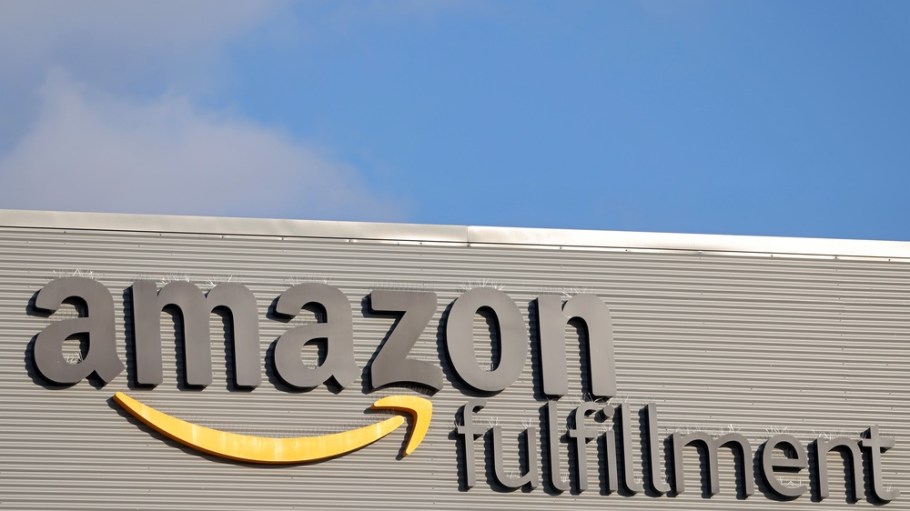
How fast is fast enough? That’s a question to pose to Amazon, which is kicking its already brisk deliveries into high gear with one-hour and three-hour shipping across select U.S. cities, including Chicago, Los Angeles, Nashville and Washington, D.C., in its latest bid to leave the competition in the dust.
“Our customers are busier than ever and are looking for new ways to save time while keeping their households running,” Udit Madan, senior vice president of worldwide operations at the e-tail Goliath, said in a press release Tuesday. “We saw an opportunity to use our unique operational expertise and delivery network to help make customers’ lives a little easier while unlocking even more value for Prime members.”
Related Stories
The Everything Store said the new delivery options will be flagged next to more than 90,000 eligible products, including pantry staples, health and beauty items, over-the-counter medications, toys, clothing and electronics. Customers can also use “in 1 hour” and “in 3 hours” search filters or browse a dedicated online storefront where those options are available.
One-hour delivery will roll out across hundreds of locations, from smaller cities like Des Moines, Iowa, to American Fork, Utah, Amazon said. Three-hour delivery will extend even further, reaching cities of all sizes and suburban spots like Cornwall, Pennsylvania, and Harrah, Oklahoma. Both will be available seven days a week as coverage continues to expand.
The Seattle-based firm has been racing against its rivals. Last October, Walmart updated its online shopping experience with a “Get It Now” feature promising Walmart+ members delivery in as little as 46 minutes for a $10 fee—a feat made possible by tapping real-time inventory data from more than 4,600 locations nationwide to sidestep shipping delays tied to warehouse fulfillment. Gig platforms such as DoorDash, Instacart and Uber Eats are also jockeying for customers with more money than time. Many promise drop-offs in under an hour.
Amazon says it’s using efficiency tools such as predictive AI to streamline its standard same-day delivery—a process made possible with smaller, local fulfillment hubs located closer to customers—to ramp up its picking, sorting, packing and delivery.
The service doesn’t come free: Prime members will have to pay $9.99 for one-hour delivery and $4.99 for three-hour delivery, while non-Prime customers will be charged $19.99 for one-hour delivery and $14.99 for three-hour delivery.
Neither is the Jeff Bezos-founded company’s need for speed without its critics. Labor advocates, including Senator Bernie Sanders, say that forcing workers to perform at a superhuman pace in the name of boosting productivity increases the risk of injuries, though Amazon has downplayed this.
“Amazon forces workers to operate in a system that demands impossible rates and treats them as disposable when they are injured,” the Vermont Independent said in 2024 following an 18-month-long Senate investigation that found that the shopping giant was masking injury rates “significantly” higher than both the industry average and non-Amazon warehouses. “It accepts worker injuries and their long-term pain and disabilities as the cost of doing business.”
Last year’s research from the Shift Project at Harvard Kennedy School’s Malcolm Wiener Center for Social Policy also indicated delivery speed may come at a different kind of cost through outsourcing and the gig-economy model: Amazon drivers average $19 per hour—significantly less than UPS ($35 an hour) and FedEx ($25 an hour) drivers.
“Amazon has embraced a very different model that effectively removes it as the direct employer of any of its delivery drivers, creating downward pressure on the wages and working conditions of delivery drivers throughout the industry,” the authors of the report wrote.
Madan, however, is bullish about Amazon’s faster future: “We’re excited to say that two decades after Prime first launched, we’re still innovating to make delivery even faster, while maintaining the same everyday low prices and vast selection Amazon is known for,” he said.