A botanist at the University of Wisconsin-Madison has identified a link between cotton plants, regular and genetically modified, grown in space and both kinds grown in their normal habitat on earth and determined that the plants grow better in space.
That was the result of a two-year study conducted by Prof. Simon Gilroy of the Gilroy Life Science Lab based on the effects of microgravity, or little gravity (weightlessness), on plants. The goal is to develop more resilient specimens that could withstand stressful conditions like severe drought on earth and on long-term space missions.
Related Stories
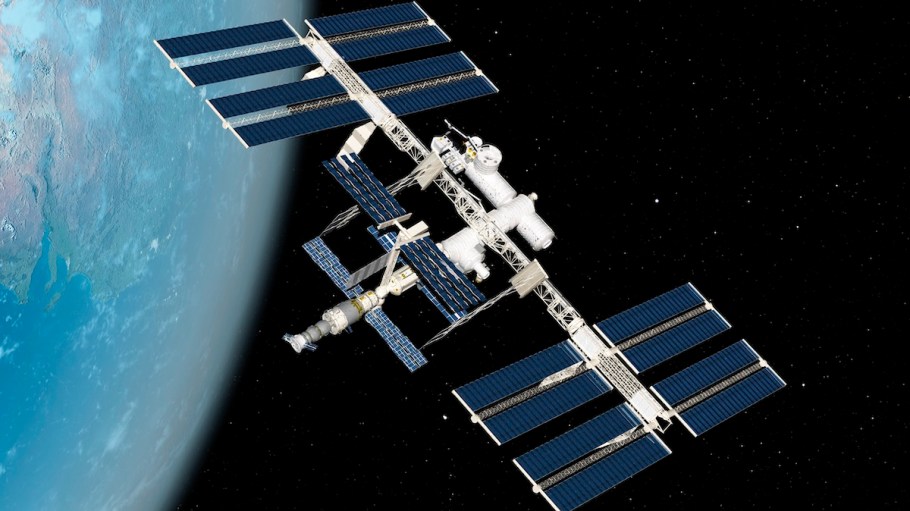
Called Targeting Improved Cotton Through Orbital Cultivation (TIC-TOC), the study took place on the International Space Station (ISS) National Laboratory, 250 miles from earth, and was designed to pinpoint new genetic avenues to more resilient crops. Gilroy’s team launched cotton plants to the space station on SpaceX’s 22nd Commercial Resupply Services (CRS) mission in 2021 after a Covid-era postponement of the study.
Gilroy knew that plants’ true nature is masked by gravity, which pulls roots to grow downward toward water in soil. Likewise, without gravity there is no pull downward on the water itself. Comparing genetically modified plants with non-GM plants in space, results showed that the GM specimens grew the largest roots and experienced the least stress in flight.
Genetic analysis of the non-GM samples from space showed them to be more stressed out than the GM counterparts. They showed more protein degradation and various biochemical markers that signal stress not found in the GM cotton.
Space-grown cotton also showed other genetic responses seen for the first time in non-GM cotton and not reported as spaceflight-related. Indications were that better growth in both show it to be directly related to the space environment and conditions there. According to Gilroy, once the cotton customized hardware mitigated the stressful effects of spaceflight, other features of microgravity, or perhaps characteristics of cotton itself, may have influenced the plants’ growth.
Mechanical destruction, herbivores, microbes, heat, cold, drought, flood, atmospheric gaseous content, light and ionizing radiation can negatively affect all plants, but this is the first study of gravity. The environment combined with the plants genetics creates what Gilroy calls the plant “phenotype.” Genetics make some plants more sensitive to environmental stress than others.
Solving this might lead Gilroy and his team to a new chapter in farming that results in better cotton crops on the ground and in space. Cotton was chosen for the experiment because it is one of the world’s most vital agricultural commodities whose fiber has vast applications. It is also one of the biggest drains on resources at a time when they most desperately need to be conserved, according to Sarah Swanson, director of the Newcomb Imaging Center at the University of Wisconsin and a microscopy and cell biology expert in Gilroy’s lab.
“If we can understand a little bit more about how cotton can grow in places that are weird and different and challenging, like the space station, it could help us make crops more sustainable and grow better under environmental stress,” Swanson said.