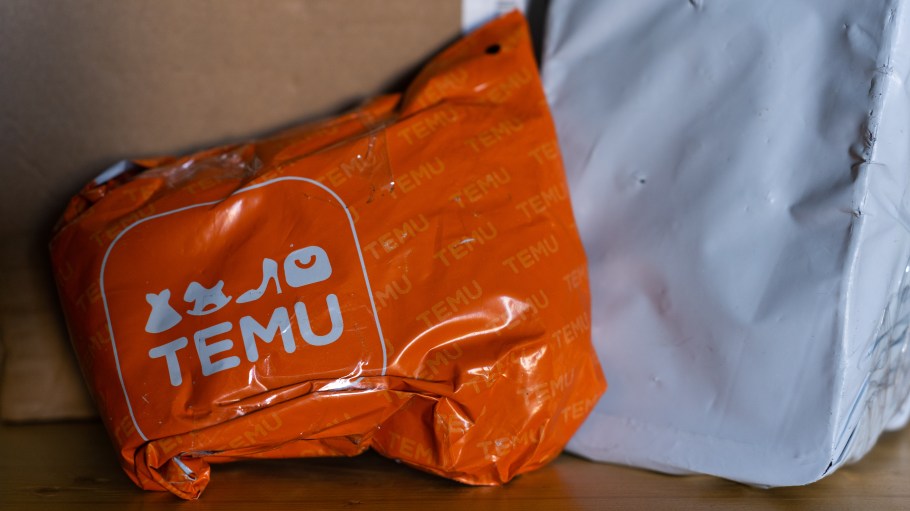
The European Commission opened a formal investigation into Temu on Thursday for potential violations of the Digital Services Act (DSA). Regulators noted areas of interest for the proceedings include the possible sale of illegal items, the marketplace’s “potentially addictive design,” the recommender systems Temu uses and the availability of data to research entities.
Earlier this year, the EU classified Temu as a Very Large Online Platform (VLOP) under the DSA, which means the company is required to comply with the strictest stipulations the regulation puts into place around consumer protection—especially of minors.
Related Stories
That designation came not long after a complaint filed with EU regulators by the European Consumer Organization (BEUC), which argued that Temu should be designated as a VLOP because its monthly active user (MAU) count exceeded the threshold for a VLOP.
According to regulators, the decision to launch the investigation came after reviewing information Temu provided at the behest of the European Commission earlier this year.
In June, the Commission requested additional information from both Temu and rival Shein—which has also been named a VLOP—about how they work to protect minors, make recommender systems transparent, mandate seller compliance and traceability and give users an outlet to notify the companies of illegal products. Earlier this month, the Commission demanded more information from Temu, asking for further details on protection of consumers’ data, users’ wellbeing and protection and more.
The BEUC’s complaint from May cast doubt on Temu’s ability to comply with the provisions in place for VLOPs should it have become one. Now that it has been designated that way, the Commission seems to have similar concerns.
In a statement, the Commission said, when it comes to the sale of items that are illegal in the bloc, it has particular concerns over “the reappearance of previously suspended rogue traders, known to have been selling non-compliant products in the past.”
It also highlights Temu’s “game-like reward programs,” which it states “could have negative consequences to a person’s physical and mental wellbeing.” TikTok faced similar accusations over the “Lite” version of its video app it had launched in some EU countries. Ultimately, the company reached a compromise with the EU, promising to nix Lite’s “task and reward” program—which allowed users to earn rewards by engaging with different functions of the app—completely.
Data is also at the crux of the EU’s interests in this investigation; it plans to gain a better understanding on how Temu users recommender systems and will ensure the marketplace player can “provide users with at least one easily accessible option that is not based on profiling.”
Margrethe Vestager, executive vice president for a Europe Fit for the Digital Age, said the investigation will provide greater clarity into Temu’s compliance with the DSA.
“We want to ensure that Temu is complying with the Digital Services Act—particularly in ensuring that products sold on their platform meet EU standards and do not harm consumers. Our enforcement will guarantee a level playing field and that every platform, including Temu, fully respects the laws that keep our European market safe and fair for all,” Vestager said in a statement.
A spokesperson from Temu said the company plans to comply with the investigation.
“Temu takes its obligations under the DSA seriously, continuously investing to strengthen our compliance system and safeguard consumer interests on our platform. We will cooperate fully with regulators to support our shared goal of a safe, trusted marketplace for consumers,” the spokesperson said in an emailed statement.
As the Commission kicks off its investigation into Temu, the company is actively considering signing the EU’s “Memorandum of Understanding (MoU) on the sale of counterfeit goods on the internet,” which is a voluntary agreement that works to ward off counterfeit items sold on e-commerce marketplaces in the EU. Existing signatories include Nike, Etsy, Adidas and eBay, among others.
Reuters reported that Temu will present at a Nov. 11 meeting of the MoU’s existing members. A Temu spokesperson confirmed that the low cost goods marketplace has begun to consider that as an option.
“We can confirm that we are in discussions to join the initiative. Counterfeiting is an industry wide challenge, and we believe that collaborative efforts are essential to advancing our shared goals of protecting consumers and rights holders,” the spokesperson said in an emailed statement.