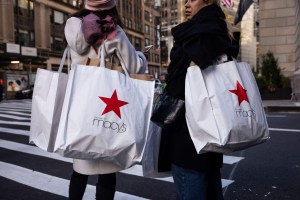
U.S. retail jobs showed gains in May, but the pace of growth slowed.
The labor market added 272,000 nonfarm payroll jobs in May, more than the 180,000 estimated by economist, with the retail trade adding 12,600 jobs, the U.S. Department of Labor said on Friday. In comparison, the retail trade added 20,000 to its ranks in April.
In retail, growth was just above the average monthly gain of 8,000 over the prior 12 months, up from the 7,000 average per month in April. However, there were also job losses totaling 5,000 in the department store category, and 4,000 lost in furniture and home furnishings retailers, in May.
Related Stories
In total, there were 718,000 unemployed people in wholesale and retail trade in May, not seasonally adjusted, down from 855,000 a year ago. The unemployment rate for wholesale and retail trade was 3.7 percent, down from 4.4 percent a year ago. The overall unemployment rate climbed to 4.0 percent in May for the first time since January 2022. A year ago, unemployment was at 3.7 percent.
Digging deeper into the jobs numbers, on a preliminary basis and not seasonally adjusted, employment in apparel manufacturing improved slightly to an 84,700 in May from 83,700 in April, while jobs at textiles mills was essentially flat at 89,500 from 89.400 over the same period. In retail, jobs at department stores were down slightly to 938,000 from 942,100, but inched up an 1 percent to 1.111 million from 1.103 million at apparel and accessories stores.
The Federal Reserve is expected to be watching the jobs figures closely for evidence of strength in the economy as it ponders interest rate cuts for the rest of 2024.
The Conference Board’s Consumer Confidence Index rose in May to 102 from 97.5 in April, largely due to consumers’ assessment of the labor market. The Present Situation Index component rose to 143.1 from 140.6 in April as the strong labor market bolstered consumers’ assessment of current conditions as fewer respondents said jobs were “hard to get.” The Expectations Index that looks out six months also rose to 74.6 from 68.8 as fewer consumers expected deterioration in future business conditions and job availability.
The Conference Board’s Dana Peterson, chief economist, said confidence improved last month among all age groups. On average, “confidence is highest among the youngest (under 35) and wealthiest (making over $100,000) consumers,” she said.
“The U.S. labor market is quite healthy with most persons desiring to work doing so,” Peterson said on Friday following the jobs report, adding that aggregate hours worked, which can signal labor market stress, have been stable and confirms that the labor market is still in good shape. “However, wage growth picked up complicating the Fed’s work to subdue inflation,” the chief economist said.
Peteson said there could be just two rate cuts at the tail end of 2024, as upward wage pressures and rising insurance premiums suggest that inflation may not return to the Fed target of 2 percent until the first half of 2025.
Economists at Wells Fargo Securities believe that the Fed will be in a “wait-and-see mode” at its meeting next week. They expect policymakers will need to see a few slower inflation reports over the summer in order to start cutting rates by the fall.