A new study conducted by ActionAid, an international non-governmental organization, revealed that Rana Plaza survivors still struggle with physical and mental problems as well as financial issues.
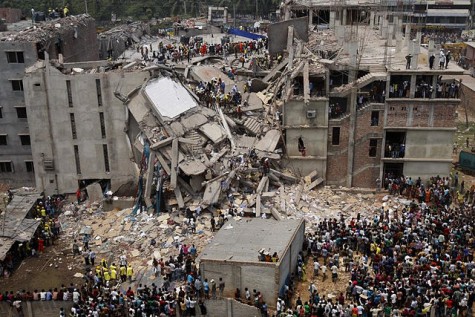
Two years ago today, the Rana Plaza factory in Bangladesh collapsed, killing 1,132 garment workers and injuring more than 2,500. A total of 1,414 Rana Plaza survivors were surveyed, 915 women and 499 men.
“The situation of survivors has worsened over the last year. Physically and mentally they are in bad shape. Neither do the majority go to work,” said Farah Kabir, country director of ActionAid Bangladesh. “Government, factory owners, the big brands and other partners should work together and take greater responsibility to help survivors and the families of those who died, so that they can get on with their lives.”
Related Stories
More than half of the survivors are still suffering from depression and trauma and 61 percent need regular medical attention. Twenty-two percent of survivors’ medical conditions have worsened, while only 6 percent are fully recovered. Seven out of 10 are somewhat recovered.
The survey also found that 55 percent remain unemployed and, despite compensation payments, still face financial difficulties. Three-quarters of those who are working earn less than the equivalent of $3 a day. It is estimated that a living wage in Bangladesh should be equal to $10 (Bangladesh taka 828) a day.
Compensation payments remain a major issue for survivors and the families of those who were killed. Depending on the injury and impact on families, the minimum compensation is one million taka, or $12,500 per person. However, about 3,600 people have received only 90,000 taka each ($1,125) as holding payments to cover loss of income and emergency support. All of the survivors surveyed claim they are still waiting for full compensation.