Brands are exploring onshoring to gain control of their supply chains, mitigate tariff uncertainties and grow localized manufacturing, but they don’t want to sacrifice quality or sustainability.
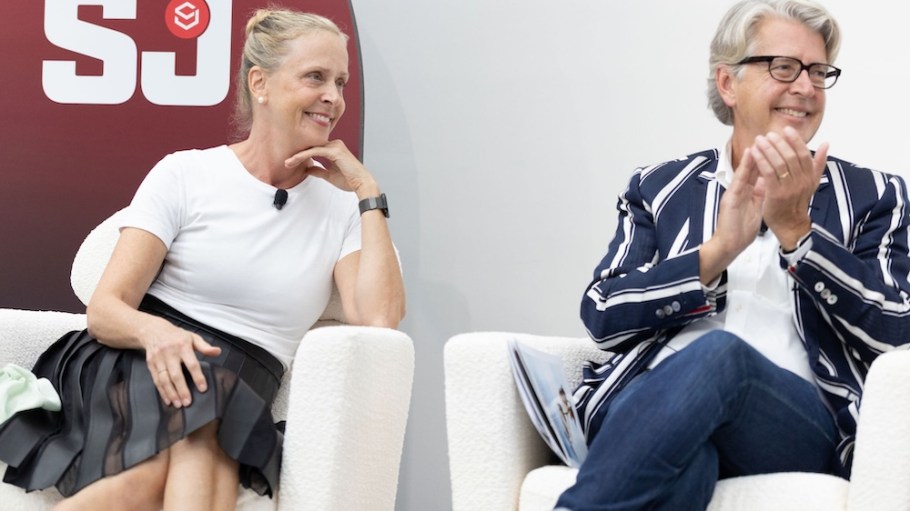
In the panel “American-Grown Fiber Meets Made in New York Fashion” Libby Haan, founder of the Who Shirt Company, detailed her journey to create a domestically manufactured, premium T-shirt and how she came to partner with American-grown Supima cotton.
Supima cotton, known for its softness and durability due to its extra-long staple fibers, intrigued Haan because of its reputation for exceptional quality. “I Googled ‘What is the best premiere cotton in America?’ and Supima was the number one answer,” she said, adding how the benefits of a Supima T-shirt are apparent as soon as you put it on.
Related Stories
But it wasn’t just Supima’s durable yarns and hand feel that enticed Haan. The cotton’s American provenance was another selling point for supply chain resilience, quality control, transparency and the revival of Americas manufacturing.
“I’m absolutely obsessed with [Dyson founder] James Dyson, and he kept saying you have to control your supply chain,” she said.
To create her unique T-shirt with built-in sport-like bra, Haan imported a specialized cup molding machine from Taiwan to ensure she could produce every component of her line domestically. “Everything is here,” Siegel said proudly.
Supima’s many cotton growers also offered a compelling Made in America story. The success of Supima cotton begins at the farm level, where more than 300 multigenerational family farms grow the fiber in the Western and Southwestern United States, noted Buxton Midyette, vice president, marketing and promotions, Supima. “They put their hearts into this work.”
Supima’s commitment to transparency is enhanced with TextileGenesis, a platform using blockchain technology that details the life cycle of every bale of Supima cotton and is authenticated by Oritain. “You can see the entire journey—from the farm through the fabric and into the final product,” said Midyette, explaining there’s no substitute for that kind of granular visibility.
Illustrating the rising demand among brands for traceability, the number of Supima active partners on its AQRe platform has grown from 550 to nearly 800 since the system’s inception.
When it comes to sustainability, Haan emphasized she designs with durability in mind and that product longevity is a hallmark of the Who Shirt Company’s ethos. “The idea of pounds and pounds, hundreds, billions of tons of clothing ending up in landfills, it just makes you sick,” she said. “So, when you think about Supima back to the extra-long staple fiber, it’s so soft, washes so well, and it looks amazing for such a long period of time.”
Both panelists agreed that onshoring manufacturing initiatives represent a new era of American textile innovation. Midyette praised the resources available in New York and Los Angeles, where vibrant manufacturing communities are eager to partner with brands looking to produce high-quality, locally made products.
“We have an incredible group of manufacturers that are still here in the U.S. doing beautiful product; we have a long list of amazing knitting resources in LA, which is kind of fun, because it’s California product,” said Midyette. “It’s California cotton, California knitting, so you will not have to sacrifice to make it USA.,” Midyette noted.
Supima cotton traditionally caters to global export markets, but domestic usage is rising as brands respond to increasing consumer and regulatory expectations for localized, traceable product. From the farmers who cultivate the cotton to the brands that bring it to life, Supima and its partners are proving that America-grown and America-made products are more than viable—they’re vital for the industry’s future.