Retail is in the middle of a “bifurcation of performance,” according to Michael Appel, managing director and retail practice leader at Getzler Henrich & Assoc.
“Excellent execution” is what separates the winners from the losers, he said in conversation with Lauren Parker, director SJ Studios, during a Sourcing Journal Global Outlook discussion on the state of retail and the consumer.
According to Appel, the sector will continue to challenge even for very well-run retailers from Target, which recently flagged shrink as a $500 million problem, to growth-focused Lululemon, whose rabid fan base fuels the yoga brand’s success.
Related Stories
While the home goods category has yet to regain the “tremendous rewards” it reaped during Covid lockdowns when consumers feverishly invested in their spaces, apparel is starting to come back, he said, noting people’s continued investments in wardrobe pieces for going out, going to work and going away.
But retailers are also “planning quite conservatively” and will continue to do so in the near future, Appel said, pointing to Macy’s success running a lean inventory.
“They don’t feel that they’re going to be stuck with an inventory overhang, and I think most retailers are definitely reducing their inventories because they’re not sure what’s going to happen,” Appel said. “They don’t want to go into 2024 with the kind of inventory overhang that they’ve had [going into] 2023.”
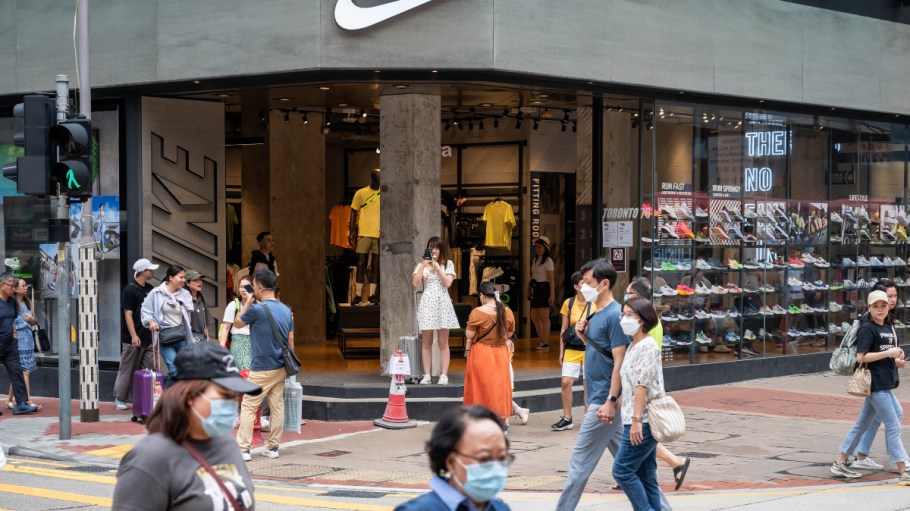
Nike, one of the most over-inventoried companies, also tweaked its game plan to bring some retailers back into the mix after famously nixing many wholesale accounts to focus on direct-to-consumer. “They have had to deal with inventory [issues], but also they realized that they need to have a more balanced channel strategy,” Appel said.
One thing unlikely to change is that shoppers expect promotions. Despite weaning consumers off of the promotional roller coaster and getting them to pay full price for apparel when merchandise was scarce, that all changed when retailers such as Walmart found themselves slashing orders and prices last year. Now that people are worried the economy could fall into a recession, they’re getting careful with their spending and looking for bargains.
So what should retailers do?
According to Appel, retailers can plan for different economic environments by working with their suppliers. “They can say ‘I need a certain amount of goods that are going to hit very sharp price points so that I can be promotional and perceived with good value, but still maintain my margin structure,'” he said.
Retailers also need to keep their eye on efficiency, now that running an omnichannel business means they have a higher cost structure from social media investments to customer-friendly fulfillment options, he said. “From an overall perspective, they have to mine more efficiencies out of their business to do that. And a lot of them have been engaging with technology platforms to help them do that,” the turnaround specialist said, adding that it’s not just better inventory management and lower markdowns. Efficiencies in product costs and labor management count, too. That’s why retailers are cutting corporate jobs but largely keeping store associates employed because shoppers expect good in-store service.
He also advocated for retailers to think about their delivery return policies and their effect on profitability. So long as the threshold for shipping is fair, and the return policy makes sense, it’s not going to stop consumers from making a purchase, Appel said.
Despite choppiness in the retail environment, retailers that can execute well will be the better fourth-quarter performers.
“I think 2024 is going to be driven strategically by what’s happening in the fourth quarter,” Appel said. “But I think for at least the first half of 2024, there’s still going to be caution in that regard.”
Appel urged retailers to stop playing it safe by relying on basics in their merchandising. “That’s a big mistake,” he said, because fresh, exciting fashion is what will entice cautious consumers to buy.
“You’ve got take a stand on fashion, the amount of fashion and the type of fashion and what categories you’re going after,” Appel said. “Whenever [retailers] try to play it safe, that’s when [they] get killed.”