Consumers are in a state of analysis paralysis.
It isn’t easy being a consumer. They want options, but are overwhelmed by the choices before them. They also want to control the decision-making process, even if many are willing to outsource some of that control by allowing retailers to curate the assortment mix. And while consumers want to do their own research, most often their decisions are based on their own “feelings,” rather than what experts or influencers tell them to do.
So what is a retailer—or brand—to do?
Related Stories
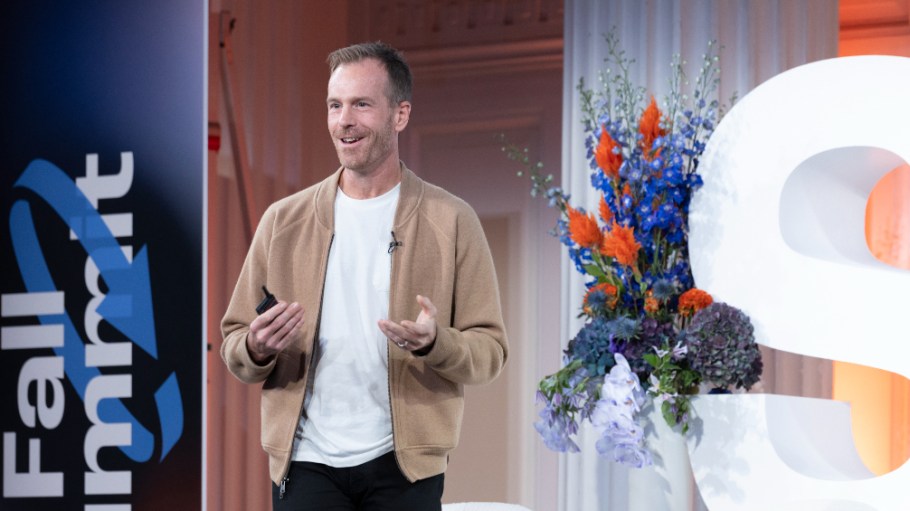
Kearney partner and fashion and luxury expert Brian Ehrig, said consumers have a lot on their minds. Finances, geopolitics and food are the top three consumer stresses, according to the latest Kearney Consumer Stress Index. Data from the survey for the third quarter of 2024 reflects relatively stable consumer stress levels from the second quarter, with declines in political stress levels once an election formally concludes. However, stress levels also can shift from one stressor to another.
Ehrig said 30 percent of global consumer respondents ranked consumer wallet and finances as “most stressful,” followed by 20 percent for geopolitics and 18 percent for food and the environment.
“They’re increasingly worried that if costs go up, they can’t handle it,” Ehrig said of consumer concerns, noting that 20 percent of people said “they can’t make changes to their cost of living.”
The Kearney partner explained that the consumer fear is based on the thinking that jobs are hard to get. The fourth quarter of last year to the third quarter of this year saw an increase from 19 percent then to nearly now one-third believing that it’s going to be harder to get a job. Adding to the sentiment is the fact that inflation has been around 23 percent since 2019. “It’s had an impact on the amount that they’ve been saving. Their credit cards are going up, and so are the delinquencies,” he said.
Meanwhile, retail sales continue to climb, helped in part by wage growth, which has outpaced inflation. And brands and retailers are helping consumers with their retail therapy by cutting back on some prices to make it easier for them to spend. However, retailers and brands may need to do more than just cut prices.
A separate study from the Kearney Consumer Institute found that half of consumers—at 47 percent—are saying they have too many options right now in makeup and beauty. “It’s not really that much different in the apparel and footwear space,” Ehrig said, where roughly half of consumers—at 41 percent—are saying they have too many options.
“I see this all the time in the advisory work that we do. Running shoe companies repeatedly have more than 30 color choices in each style. As a consumer, that’s probably more than you need because everybody knows that [about] two-thirds of them are going to be sold in black, white and gray,” the Kearney expert said.
Consumer behavior is really complex, he said, noting that they’re thinking not just about their wallet, but also about geopolitics, health and sustainability, and technology when it comes to product choice. According to Ehrig, there are many tensions facing consumers, with the key one a proliferation of choice. The tension is in wanting a lot of options, but then feeling overwhelmed by all the choices they have.
A second tension centers on consumers wanting control over the decision-making process, even if it means brands need to walk the fine line where they give the illusion of control while providing some level of curation to guide consumers as they filter through their options. And that curation is needed because some consumers simply don’t know what it is that they want. To find the right balance, retailers and brands need to ascertain the level of control their customers want, the emotions attached to the product or service, and the broader lifestyle of the consumer. Moreover, a fatigued consumer is one that might welcome fewer shopping options.
A third tension Ehrig noted is consumers’ need to do their own research from a wide range of sources, whether that’s social media, podcasts, or their network of influencers. While consumers “have access to all the information that they need to make decisions,” sorting through all those opinions can be overwhelming especially when they’re also faced with trade-offs all the time.
Because companies can no longer rely on brand loyalty and trust to help consumers overcome information overload, what brands and retailers need to do is “think about how [to] make sure that [they] maintain that trust,” Ehrig concluded.