Shoppers’ shaky spending patterns mirrored the unsettled feelings they experienced during April’s tariff turmoil.
It was an eventful month for trade policy, with President Donald Trump announcing a slew of new double-digit duties on America’s biggest trading partners on April 2—then walking back his decision and suspending the “Liberation Day” tariffs for three months the following week.
The uncertainty about the country’s future ties to the global economy has contributed to a cautiousness on the part of shoppers and fed into market volatility, according to a new report from credit rating analysis agency KBRA.
Related Stories
With many of the tariffs paused, including the harshest on China, “headwinds to retail activity have eased somewhat but could pick up again as negotiations continue,” the group wrote, citing Treasury Secretary Scott Bessent’s assertion that the punitive duties could resume in the future. In the meantime, many retailers have publicly stated that they have no choice but to pass along increased costs to consumers.
With these developments as a backdrop, April retail sales increased by 0.1 percent month over month, following revised growth of 1.7 percent in March. Overall retail sales grew by 5.2 percent from the year-ago period, though, and Consumer Price Index (CPI) inflation drew down for the third month in a row to 2.3 percent.
Sales continued on a similar trajectory or increased in just six out of 13 categories in April. For the apparel sector in particular, sales dropped 0.4 percent from the previous month (which saw 1.1-percent growth), though April year-over-year sales grew by 3.5 percent. Miscellaneous stores were down 2.1 percent from March, while those selling sporting goods, hobbies musical instruments and bookstores saw declines of 2.5 percent month over month—the largest declines.
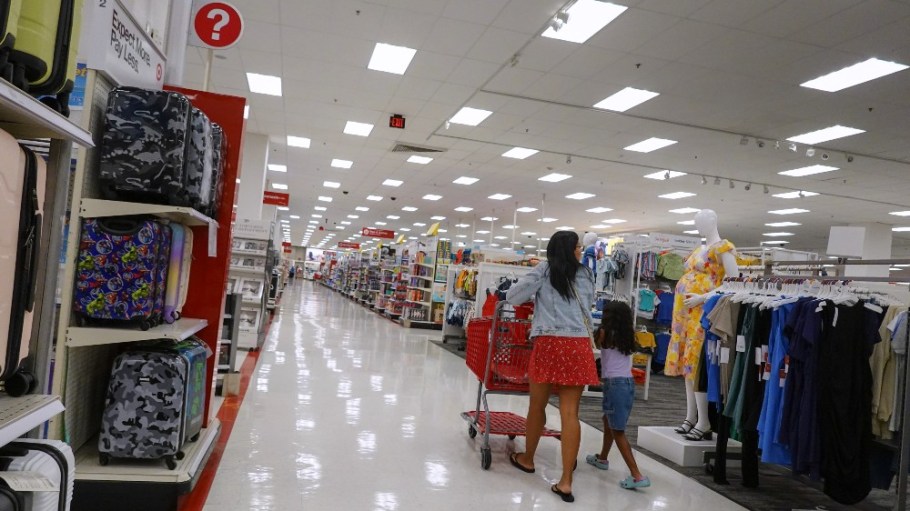
This tracks with many household name brands and big box retailers reporting less-than-ideal earnings this week. Target’s net sales dropped 2.8 percent during the last quarter and the chain now expects a low-single-digit decline in sales this fiscal year (when it had previously projected net sales growth of around 1 percent).
Meanwhile, Walmart has been vocal about the hits it’s taken since Trump’s duties were announced, with CEO Doug McMillon saying last week that “Higher tariffs will result in higher prices.”
With trade talks moving forward with key partners like Vietnam, China, the U.K. and others, financial markets have, in May, bounced back from April lows—and that “bodes well for consumer sentiment and the resilience of retail sales,” the group wrote.
April’s results are mixed, but demonstrate some small resilience that KBRA analysts say “may not last” should the trade environment remain volatile. Republicans, who control Congress by narrow margins, are bullish about tax cuts (the president’s “big, beautiful bill” passed in the House of Representatives on Thursday)—and tariffs are the engine they say will drive them. KBRA wrote that the persistence of an aggressive tariff policy could cause inflation to rise while slowing economic growth, causing shoppers to pull back on spending.