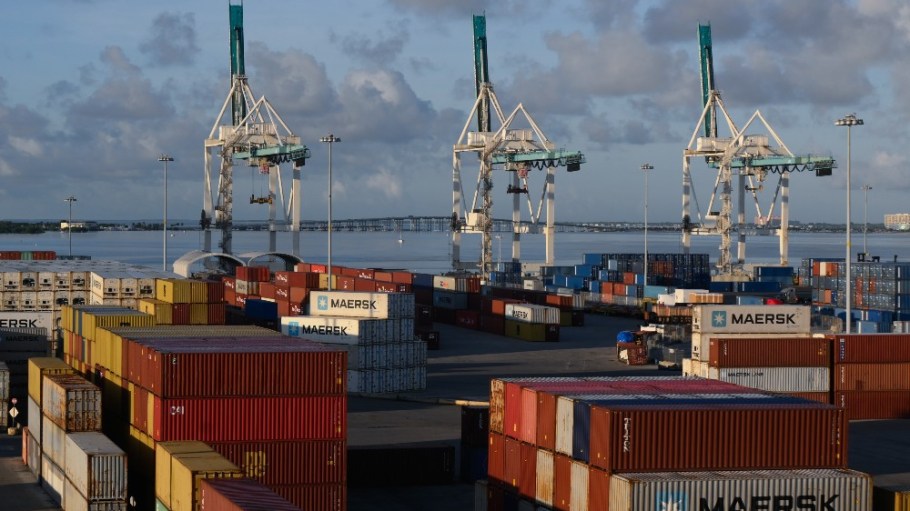
The impact of a port strike extends far beyond delayed shipments and market fluctuations. A prolonged strike can disrupt supply chains, jeopardize food and medical supplies and pose risks to national security.
If avoiding these potential disasters were as simple as improving working conditions, compensation, and benefits, issues labor unions traditionally champion—this conversation might not be so complex. However, the idea that organized labor can halt technological progress solely to secure future employment raises questions that require careful consideration.
Related Stories
This isn’t about debating the merits of automation or artificial intelligence (AI); it’s about the unintended consequences of resisting the inevitable. For dock workers, for just about all of us, the fear of job loss is understandable. The reality is that PhD-level AI and advanced automation may soon outpace the need for human labor across numerous fields. Do we embrace this future—albeit with caution—or do we seek to paralyze advancement?
Consider the 2023 Writers Guild strike, aimed at protecting writers from the disruptive potential of AI in content creation. For most, it was a temporary inconvenience: delayed TV shows and movies. But imagine the impact if dock workers or truck drivers successfully resisted automation. This isn’t about delayed entertainment; it’s about delays in food, pharmaceuticals, and strategic resources. Who will be next to strike out of fear for their jobs, and at what point do large employers, fearing mounting costs and resistance, decide that this is exactly the motivation to accelerate AI and automation? Ironically, by resisting, unions may be fast-tracking the very changes they seek to avoid, pushing these technologies forward in less controlled ways.
Looking back, history shows a pattern of labor resistance to technology—often with short-term gains but significant long-term consequences. The Luddite movement of the early 19th century is one of the most well-known examples. Skilled weavers and textile workers, fearing job displacement by automated looms, destroyed machinery in protest. Their resistance temporarily slowed progress but ultimately failed to stop the Industrial Revolution. Today, we see parallels in modern manufacturing, where resistance to automation may delay, but will not prevent, the adoption of transformative technologies.
Another example, much more recent, is the adoption of computer-aided design (CAD) software in apparel and product design. When these tools were first introduced, there was widespread fear that designers would become obsolete. Instead, CAD systems created efficiencies, enabled faster prototyping, and ultimately expanded opportunities for skilled designers who adapted to the new tools. Embracing change led to more sustainable and resilient employment opportunities.
The future is here, like it or not. Autonomous trucking, for example, could save lives. While autonomous technology isn’t perfect today, it soon will be. So, what happens when unions prioritize job security over proven safety benefits?
Vehicular accidents, however, are just one small piece of this picture. Consider that an estimated 371,000 Americans die each year due to diagnostic errors in healthcare, with another 424,000 suffering permanent disability. Here, too, AI has a vital role to play—advancing diagnostic accuracy and, by extension, public safety. Are we willing to forego these potential life-saving improvements to protect existing roles?
As automation promises greater safety and reliability in critical industries, we must ask ourselves if blocking progress is the right path. Labor unions play a vital role in protecting workers, but if resisting technology becomes a default stance, we all face risks that go beyond individual job loss.
Instead, unions must focus on adapting to technological advancements by helping workers transition into roles that complement automation, rather than competing against it.
This transition can start with retraining programs, funded by port operators, in areas like robotics, equipment maintenance, and AI oversight. These roles will remain critical as automation becomes central to growth and infrastructure.
As increases in automation result in cost savings and efficiency gains for port operators, unions should advocate for a share of these benefits—whether through wage increases, profit-sharing agreements, or enhanced benefits packages.
Port workers are right to feel uneasy; automation threatens their current way of life. But outright resistance is likely to accelerate the adoption of the very technology they hope to thwart. If labor unions can shift their focus from resisting change to shaping it proactively, they’ll not only secure a better future for their members but also contribute to a more resilient and efficient global supply chain.
Balancing employment with progress matters—not just for workers directly impacted, but for everyone who relies on safer roads, efficient ports, and faster access to essential resources. We should always advocate for fair employment practices, but can also make room for the innovations that will improve standards of living, strengthen infrastructure and safeguard society.
Gil Paul is a senior vice president at Levinsohn Textile Co., Inc., a company that specializes in product development, design, and the import and distribution of home textiles. With more than 35 years of experience in the industry, Paul has a deep understanding of global supply chains, product sourcing, and the impact of technological advancements on business operations.