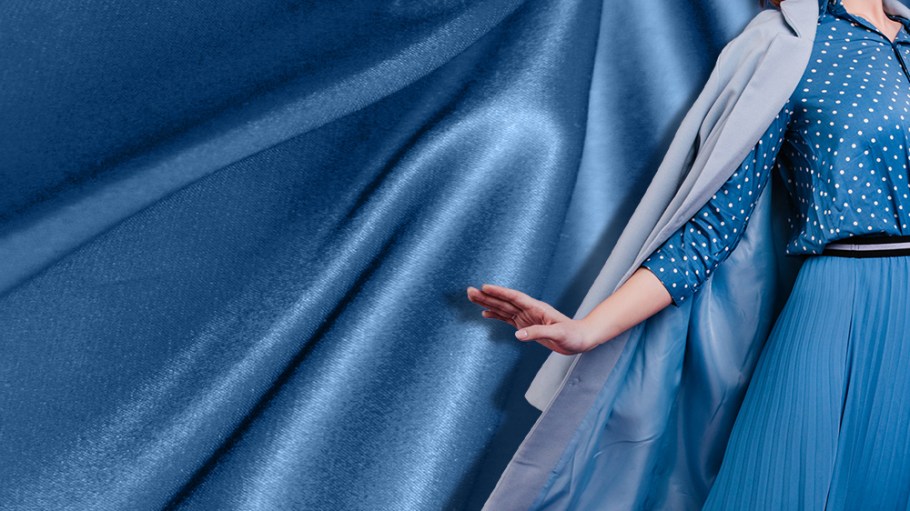
From Copen United’s point of view, it’s what’s on the inside that counts. The 80-year-old global lining, pocketing and waistband maker looks at linings as an opportunity to support a brand’s image. As Jim Lavner, president of the Copen U.S. lining division, explained, carefully choosing visual and tactile elements—such as prints or logos—can lead to a “branding moment.”
“The interior of a garment can be a powerful representative of the main brand, enhancing value and the customer’s connection to the product,” he said.
Related Stories
The company’s linings division—established a decade ago in New York and Hong Kong—works alongside brands to create custom designs that leave a strong impression, whether a brand is catering to luxury clientele or selling at more budget-friendly price points. The company is also creating synergies across its product segments, creating cohesive packages of linings, waistbands and pocketing.
In addition to a wide product portfolio, Copen is geographically diverse, with offices and production facilities across Asia, the Americas, Europe and Africa. This provides sourcing flexibility and risk mitigation. Copen is also delivering on the growing need for product transparency that extends back to the raw material with traceability solutions.
“Our global position makes the brand’s sourcing process much more efficient and productive with the knowledge that they are working with a serious partner who is bringing solutions to the table, not just a product,” said Petya Marinova, general manager of Copen Europe.
Here, Lavner and Marinova share their approach to brand customer collaboration, how linings fit in with the rest of Copen’s portfolio and what the linings division has lined up.

In fashion, direct engagement between brands and component suppliers isn’t a given. How have you built and maintained these critical relationships with merchandising and management teams?
Jim Lavner: Achieving lasting “hanger appeal” and brand recognition in the fashion industry is an art form. It involves a combination of deep industry knowledge, understanding current trends and building strong relationships. Success relies on a profound grasp of the creative process—from initial design to the final product—that resonates with the end consumer. This involves a true partnership, where we integrate with design teams and merchandising departments to understand their vision and translate it into a tangible product, ensuring the quality enhances perceived value.
How does Copen stay ahead of the curve regarding market trends? And what are some current trends you’re seeing?
J.L.: Leading in this industry requires anticipating trends rather than simply following them. This involves a continuous cycle of observation, conversation and imagination. Staying informed about emerging patterns, colors and the strategic incorporation of design elements like logos and bespoke prints is crucial for a forward-looking aesthetic. A deep understanding of product lines is paramount for effective timing and development. This knowledge allows for guiding product development, optimizing sampling processes and ensuring that investments are made in the right quality products at the right price point for a specific market. Currently, we see strong momentum in contrasting patterns and performance-oriented linings.
Speaking of performance, how are you developing offerings that provide comfort to wearers?
Petya Marinova: Copen’s Cool Linings product can bring the body temperature down by approximately 2 degrees within the garment. We have previously also developed antimony-free linings, which focused on the corporatewear sector, such as airlines and train drivers.
We’re expanding into activewear performance fabrics, and we are working with many leading brands across Europe and the U.S. for specific lining developments in conjunction with the core basic linings.
Price is a major consideration for everyone right now. How do Copen’s offerings support cost-conscious trim sourcing without forcing a compromise on the classic triad of cost, quality and speed?
J.L.: Our approach is proactive and knowledge-based, which mitigates the need for compromise. By understanding our product lines and pricing structures intimately, we can immediately guide clients toward appropriate solutions that balance their budgetary needs with their quality standards. Our operational flexibility and global reach allow us to provide product solutions to virtually any design group at any level—from cost-conscious to high-end markets. This diversity separates Copen Linings from the competition, provides strategic agility and resilience and ensures we can deliver quality efficiently without sacrificing speed or cost control.
How has Copen grown in the linings sector in the last five years? And what is next for Copen’s global linings divisions?
J.L.: The Lining Division at Copen United has experienced continuous, steady growth since its inception. We are now recognized as a global supplier, a status that provides a powerful platform for future expansion. We continue to promote and adapt to current market changes—a strategy that has led to great success. Next, we are focused on leveraging this global standing to further penetrate new markets, innovate our sustainable offerings and continue providing the superior product diversity that sets us apart worldwide.
P.M.: The unique selling proposition of our global supply and creative collections has factored significantly into our growth, along with our serious approach to sustainability and transparency. As we come to the end of 2025 and celebrate our 80th year in this business, our future looks positive as we continue to build a strong and credible profile within the European and world market.
Click here to learn more about Copen.