Carter’s Inc. has a four-prong strategy for growth in 2024.
“For the first time in 4 years, Carter’s isn’t burdened by excess pack and hold inventory caused by the slowdown in consumer demand following the pandemic in 2020 and the surge in inflation in 2022,” Carter’s chairman and CEO Michael Casey told investors in an earnings conference call earlier this week. “Given our progress working down that inventory, we believe we have a higher mix of fresh product choices this year with on-trend colors, prints, silhouettes and fabrications.”
Related Stories
He said the company’s 2024 growth objectives can be accomplished through 4 key strategies: strengthen the U.S. retail business; improve marketing to drive traffic; grow U.S. wholesale sales, and expand globally.
“We believe the destocking of inventories by our wholesale customers is largely behind us. Bookings to date support growth in wholesale sales this year. Our wholesale sales plan this year reflects a 50 percent reduction in unprofitable sales to off-price retailers,” Casey said.
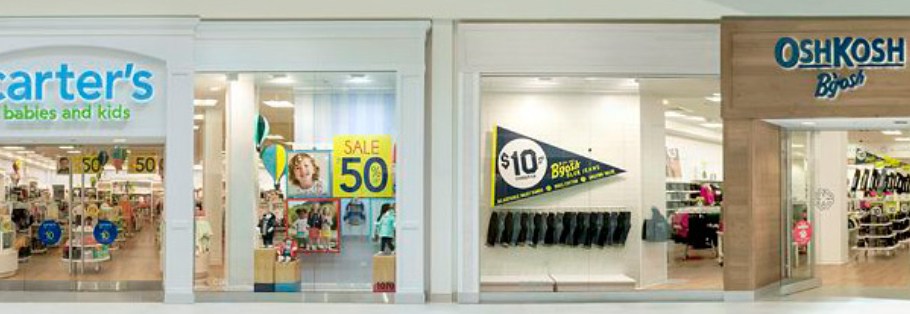
In addition, the company is making changes to its retail store network. Casey said the company will open 40 high-margin stores and shutter 30 low-margin doors in the U.S. The company is also planning on store remodels this year. And Carter’s is changing its side-by-side store format, following a test of 150 locations.
“Going forward, our side-by-side stores will be merchandised by age segment,” he said. Baby and toddler product offerings will be on one side of the store, with product offerings for older kids on the other side. Previously, the format saw Carter’s on one side and the OshKosh brand on the other side.
Casey noted that labor rates rose in Bangladesh in 2023 and that seems to be a bigger driver of costs than higher cotton prices. He said suppliers have been reaching out for more work, and that the focus on leaner inventory commitments by all major retailers to drive better sell-throughs has opened up capacity. “So as the suppliers are eager to fill that capacity, they’ve been very helpful meeting our cost and margin objectives,” he said.
Richard Westenberg, senior executive vice president, chief financial and chief operating officer, told investors that the rise in cotton prices isn’t an issue for Carter’s. “We’ve secured our cotton as that’s going to be our 2024 assortment. So it would be more of a forward implication for 2025 products,” he said, adding that a lot can happen as the year plays out.
Westenberg also said consumer response to the new sustainable materials line PurelySoft, launched last year, “has been very strong.”
Net income for the fourth quarter ended Dec. 30 rose 32.8 percent to $106.5 million, or $2.90 a diluted share, on a revenue decline of 5.9 percent to $857.9 million. For the year, net income fell 7.0 percent to $232.5 million, on a revenue decrease of 8.3 percent to $$2.95 billion.
For 2024, the company is projecting low single-digit growth in net sales to $3 billion.
“We expect to return to growth in sales and profitability this year. We are assuming an increase in unit volume and we plan to be less reliant on pricing to drive growth. Our average prices this year are planned down about 1 percent, which reflects sharper price points on key items and the mix of products to be sold,” Casey said.
He also noted that birth and market trends for its baby business are fairly stable. He said the overall $28 billion baby market saw a big drop in births in teenage moms, offset by an increase in those over 29 years. And those having children a bit later also have the ability to spend more on their kids.
“Market conditions have stabilized, and consumer sentiment is improving. Inflation is moderating and real wages are rising. Gas and food prices are still elevated, but consumers have shown remarkable resilience adjusting to the inflationary environment,” Casey concluded.