As the Trump administration’s latest tariff machinations throw up even more uncertainty and confusion over access to the world’s largest market, at least one thing should be crystal clear, said Katie Hess, head of product at Cascale’s Better Buying division: financial burdens shouldn’t be pushed down the supply chain in ways that ultimately harm workers.
Better Buying’s anonymized supplier data shows that when commercial pressures reach a breaking point—including during times of policy ambiguity—the risk of unauthorized subcontracting, excessive overtime and other workers’ rights violations can also increase. Suppliers, Hess said, need “predictable planning, fair terms and consistent communication.” When buyers embed responsible purchasing practices into their commercial decision-making, they help create not only more resilient supply chains but also more positive outcomes for workers, businesses and the environment, she added.
Related Stories
“We operate within globally interconnected supply chains,” Hess said. “Now more than ever, companies must ensure that their purchasing decisions support economic stability, sustainability and social equity.”
The Supreme Court’s ruling striking down many of President Donald Trump’s so-called “reciprocal” tariffs arrived only weeks after Better Buying—which Cascale acquired last February—released a “snapshot survey” showing that while responsible purchasing practices are steadily improving, their progress hinges on clear and consistent communication.
More than 970 suppliers from countries such as China, Bangladesh, and India, who were surveyed repeatedly, cited the importance of reliable forecasts and long-term visibility for capacity planning, efficiency, and innovation. They also described timely purchase orders, stable lead times and simplified operational processes as “key enablers” of smoother production with reduced risks.
“Suppliers are clear about what enables strong partnerships: predictable planning, fair terms and consistent communication,” Hess said. The buyer-manufacturer dynamic is such, however, that brands wield much of the negotiating power. For many suppliers, sharing—even shouldering—the tariff increase has been a given.
“All companies across the garment supply chain should ensure not to repeat the mistakes of the Covid pandemic, when global garment companies’ knee-jerk responses to adversity solely prioritized the company’s profitability,” the Clean Clothes Campaign, the garment industry’s largest consortium of trade unions and civil society organizations, said after last year’s punishing tariffs hit garment-producing nations.
At their highest, the additional duties reached 145 percent in China, 37 percent in Bangladesh and 50 percent in India, though they‘ve since been replaced by a universal 10 percent tariff, albeit with the possibility of going up to 15 percent.
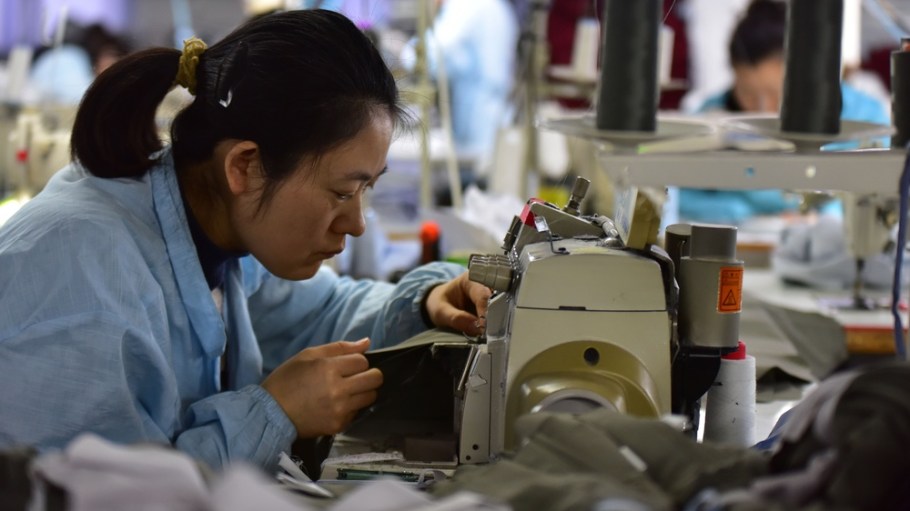
Workers in these countries are typically paid below subsistence levels with no savings buffer, the Clean Clothes Campaign said. Any “renewed attempt” to “offload costs” on workers by lowering product prices, cutting wages or increasing unpaid overtime will leave workers hungrier and in deeper debt, it added.
That market volatility, with its often wild swings due to shifting geopolitics, will be the norm for the foreseeable future, adds another layer of complexity to the issue, Hess said. Such turmoil wreaks havoc on the forecast reliability that manufacturers rely on even in a less moribund global economy. But if supplier relationships are to become a form of “strategic currency,” as she recalled reading, then buyers must help alleviate the stresses that are undermining their stability and, by extension, their resilience.
But being responsible doesn’t mean never changing purchasing practices, she said. What it comes down to is how companies manage those changes.
“The most damaging part isn’t change itself; it’s one-sided change,” Hess said. “Changing forecasts, shifting volumes or delayed payments that aren’t being communicated transparently and in time impairs a supplier’s ability to plan for the future, which includes paying or keeping workers.”
In the snapshot survey, formerly known as the Better Buying Partnership Index, respondents described 70 percent of their buyers as “true partners,” up 5 percent from the year before. The proportion of “collaborators” slipped from 22 percent to 21 percent, but so did that of “detractors,” which fell from 13 percent to 9 percent.
The benefits go both ways. According to Better Buying data, brands that have collaborative relationships based on trust, stability and fairness with their suppliers also experience fewer production disruptions, including more reliable delivery. In other words, if capacity is tight for a manufacturer, it will prioritize buyers with whom it has a stronger relationship. On the other hand, late changes, cancellations and constant replanning will create inefficiencies throughout the supply chain. This isn’t a cost that will show up neatly on a budget line, Hess said, but it adds up.
There’s also an existential problem for buyers to consider. The National Retail Federation forecast earlier this month that import volumes will face a significant year-over-year decline in the first half of 2026 due to tariff impacts. If suppliers end up shuttering because they can no longer survive under these conditions, however, what happens when demand comes roaring back?
“We’re used to rewarding the short term, but what we need to do is double down on stability and predictability because they bring more value,” she said. “It’s less about creating new policies or new frameworks and figuring out how we can strengthen those basics. How can we have better planning? How can we have fewer last-minute decisions? How can there be more disciplined ways of working? All that will reduce the hidden costs of disruption.”