Garment worker protests that cause traffic disruptions and result in intermittent factory closures in Bangladesh’s industrial hubs are “likely to continue” into at least mid-November, if not through early December, a risk-analysis firm warned this week.
The protests, which have at times turned violent with the involvement of armed police, have come in waves since September. At least two people have died during standoffs with security forces. On Thursday, two teenagers were shot and wounded in the Mirpur area of Dhaka during a demonstration over a factory’s sudden closure. Two vehicles were also set on fire during the rally, which was attended by a thousand workers, not all of them employed by that particular facility. Authorities have filed a criminal complaint against 500 unnamed workers, according to local media.
Related Stories
Things may get worse before they get better, said Crisis24. Already, dozens of factories in Ashulia, Gazipur, Savar and others have suspended operations over the past week as tensions over wages appear to have reached a boiling point. Tusuka Group revealed, through notices that it pinned on its factory gates, that it will be shuttering plants such as Tusuka Denim, Tusuka Trousers and Tusuka Jeans “to protect lives and property” for the indefinite future. They produce clothing for major retailers such as Marks & Spencer and Next. Tusuka Group did not respond to an email seeking comment.
“Additional gatherings of varying types, including strikes and road blockades, remain possible over the coming weeks,” Crisis24 wrote in a note. “Potential rally sites include factories, government buildings, sports fields, public squares, and thoroughfares. Well-attended demonstrations will likely draw hundreds to thousands of participants.”
The reason for the resurgence in activity after a brief lull where tempers appeared to have cooled is unclear. It was only in September that the interim government, members of the Bangladesh Garment Manufacturers and Exporters Association and union leaders reached an accord on a list of 18 demands, such as increasing certain allowances, engaging in non-discriminatory hiring of male versus female workers, dropping the blanket arrest warrants that stemmed from last year’s minimum wage protests, and agreeing to revisit the issue of compensation. The trade group better known as the BGMEA is also going through its own travails following the state-ordered dissolution of its board of directors. A “support committee” is now assisting administrator Md. Anwar Hossain in fulfilling the BGMEA’s duties until fresh elections can take place. The BGMEA did not return a request for comment.
The uncertainty that hangs over Bangladesh’s tentpole sector, which is responsible for nearly 85 percent of the nation’s $55 billion in annual exports, could prove damaging in the long term, especially if brands choose to look elsewhere for less tempestuous sourcing partners. Crisis24 says that associated transport and business disruptions, including shipping delays, are a likely consequence of the ongoing turbulence. Additional security incidents, such as clashes between workers and police, are also possible as security forces resort to using baton charges and tear gas to disperse unruly crowds.
The interim government, local authorities and the BGMEA need to identify the source of the ongoing tumult, whether it comes from without, as many have blamed, or within, said Md. Rafiqul Islam Rana, an assistant professor of retail at the University of North Carolina. He said there needs to be meaningful dialogue between factory owners and labor leaders. Although many of the 18 demands have been met, Rana added, they need to provide a roadmap for addressing wages and working conditions.
“Closing factories with thousands of workers will create more social anxiety, as people’s livelihoods depend on them,” he said. “A resolution needs to be reached soon so that factories can become operational again, [otherwise] foreign buyers, although they have shown great support amidst the ongoing political turmoil in Bangladesh, will look for a more stable sourcing destination” Rana noted that India has already benefited from the circumstances in Bangladesh and “has seen gains in its export share.”
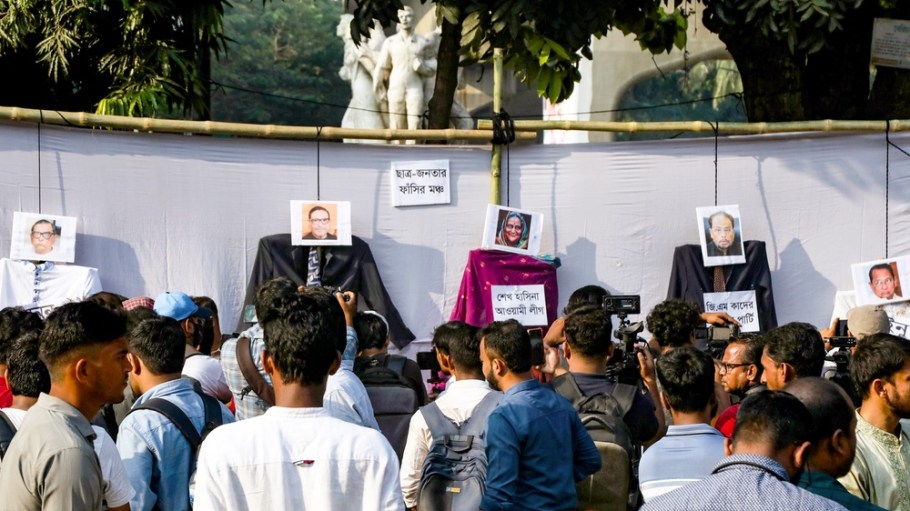
Meanwhile, the labor unrest mirrors broader disquiet elsewhere in Bangladesh. Student groups have held occasional rallies to demand President Mohammed Shahabuddin’s resignation and activists have tried to break into the presidential residence in Dhaka. The ousted Awami League, Crisis24 said, could hold intermittent demonstrations to demand Hasina’s return to office. Minority groups, such as Hindus, have also staged demonstrations following targeted attacks at their homes, businesses and places of worship.
“Further altercations are likely in other parts of Bangladesh over the coming days,” Crisis24 said. “Future demonstrations will likely attract large crowds, especially near transportation hubs, public squares, and major intersections. Business operations, ground transport and flight services remain vulnerable to disruptions on short notice in the event of significant violence.”