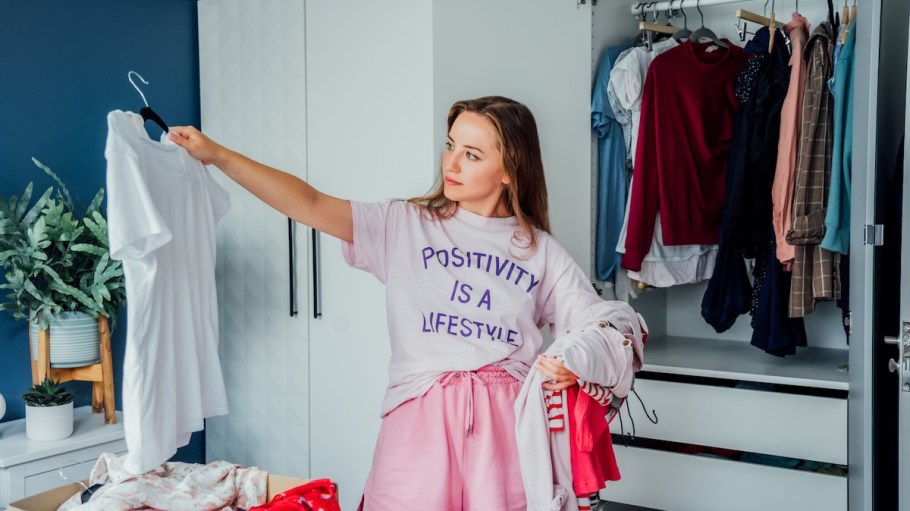
The “conscious consumer” is one who not only cares about sustainability, but has it at top of mind when making purchasing decisions.
The Aptos Engage 2023 conference in Las Vegas this month explored the wants and convictions of this consumer class and how retailers can utilize unified commerce to serve these shoppers.
Lincoln Tatro, solution principal for Aptos, told Sourcing Journal that data suggests consumers are increasingly purchasing secondhand items like apparel, and most Gen Z customers shop with sustainable brands because of their shared values.
Related Stories
For Aptos, which provides specialized software solutions for apparel retailers, as well as grocery and drug stores, sporting goods retailers, hardlines and furnishings merchants and department stores, how to connect with that conscious consumer on front-end omnichannel and back-end analytics, is the challenge at hand.
Tatro said the key is to track who the vendors are, where they source, and whether all these points on the supply chain check the sustainability box.
“What we need to know about a customer now that we didn’t know before about their resale shopping habits [is] how that relates to their full-price shopping habits,” Tatro said. “That’s one of the areas where Aptos plays a big part, ensuring that data is getting to all of the right places it needs to as part of that process to make informed decisions.”
Retailers trying to track second-, third-, and even fourth-life cycle data on a garment usually find themselves swimming in historical data. Aptos’ VP of retail innovation, Nikki Baird, said the software company can help with that.
“Most [retailers] are so new to the game they’re just using ThredUp, or whatever, as their platform and it’s disconnected from their operations,” Baird told Sourcing Journal. “But just like with omnichannel, we see this coming home to roost, ultimately, in their operations.”
An e-commerce retailer accustomed to categorizing new stock ordered from brands might run into trouble when they establish an in-house resale channel only to find that colorways, styles, and sizes they’ve never had before start populating their inventory.
Baird pointed to Crocs as an example.
“Right now, [e-retailers are] basically throwing up as a collection, a bunch of Crocs and then they’re saying, ‘Crocs, do you want a resale store?’ And Crocs is like, ‘Sure, that’s awesome,” and that’s pretty much how it works,” Baird said. “But do you want to bring old Crocs into the store and give a discount so that [customers] can buy new Crocs? And then Crocs has to evaluate whether that has to go to a resale. I think that’s where it’s heading, but nobody’s sophisticated enough yet to support that. And that’s where our solutions will come into play.”
Baird and Tatro said Aptos is equipped to launch that kind of data support; they’re just waiting on retailers to see the need for themselves.
“You evaluate a return and you dispose of that return one way or another, and one of those disposal options could be resale,” Baird said. “It’s just inventory, from our perspective. The processes are already there but retailers haven’t been using any of these processes. [Secondhand] is almost like a marketing play today, and we’re just like, this is going to come home to us before too long.”
Assuming the push for secondhand clothing extends into public policy in the forms of government regulations and carbon credits, Aptos can assist with that, too, Baird said.
“If you want to start tracking the carbon footprint as part of the attributes you’re assigning to a product, that’s no problem,” she said, adding that Aptos has already partnered with a number of PLM providers that connect brands and vendors. “As you are making sourcing decisions, you ultimately build a carbon profile that we can track and enable.”
Beyond just tracking the sustainability scores of suppliers, Baird pointed out there’s beginning to be a push to track—and perhaps incentivize—conscious consumers as individuals. Companies are interested in whether sustainable shoppers also resell their purchases, if they drive to the store, how often they return products and the carbon footprint of those returns.
“There’s interest in almost loyalty rewards for high sustainability or lower-impact customers,” she said.