
General sporting goods chains are hurting, but the outdoor channel continues to climb higher.
Sports Authority has gone bankrupt and is liquidating. Bass Pro Shops is potentially acquiring Cabela’s and Sport Chalet, a California sports chain, revealed last month it was closing all 48 stores.
At the same time, the outdoor sports market has grown by 6.7 percent to become an $18.8 billion market with the average selling price for units rising by 4.2 percent for the 12 months ending October 2015. Outdoor sports are characterized as hiking, biking, camping, rock climbing and water sports like kayaking according to market research firm The NPD Group.
Related Articles
NPD found outdoor online sales alone account for $2 billion and have increased 13 percent, while the more traditional running market decreased 2.7 percent. According to the Outdoor Industry Association, Americans spent more on bicycling gear and trips ($81 billion) than they did on airplane tickets and fees ($51 billion) in one year.
You May Also Like
Active adult Americans shifted from traditional sports to outdoor sports and the general retailers just didn’t keep up. Eric Greene of Exxcel Outdoors said that these are multisport people. “They kayak one day, hike the next and then go for a bike ride. These Millennials are buying,” said Greene. On average the outdoor consumer spends $465 annually.
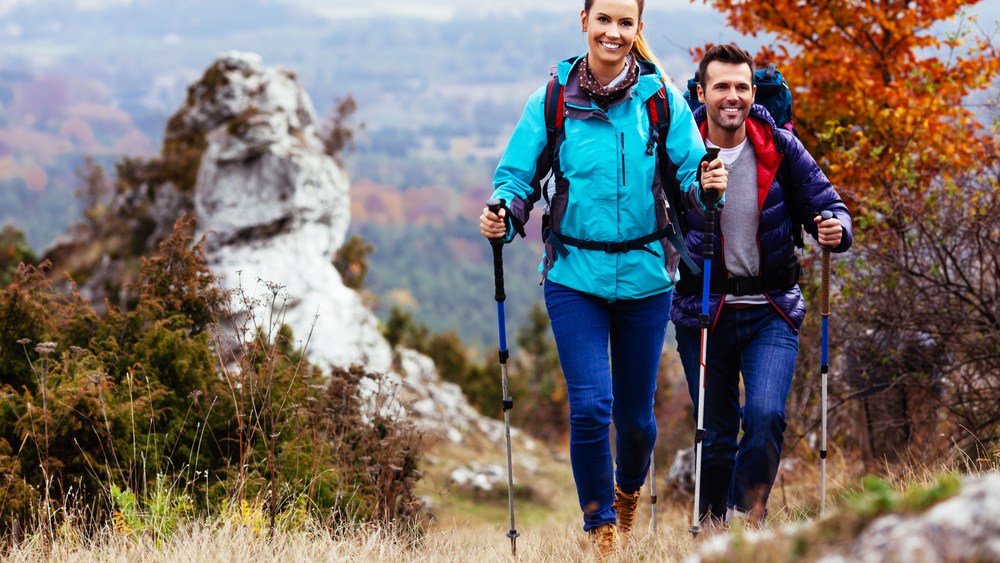
For example, NPD determined that the hiking and the lite hiking market is worth $577 million and has grown 17 percent. Today’s hikers aren’t content anymore with throwing on their everyday sneakers to hit the trail. They want performance in their shoes and clothes. They hit the Internet first to find a hiking boot and maybe some shorts or pants for their trek. They might end up at a retailer like Moosejaw that caters to a curated group of sports like biking or kayaking.
These consumers may be weekend hikers who buy some hiking bottoms from Mountain Khaki based out of Jackson Hole, Wyo., or KÜHL from Salt Lake City, Utah. Then they realize that the pants are equally acceptable at their office. Thus, one product is serving many needs. Amy Roberts of the Outdoor Industry Association called this the trail-to-tavern consumer. “They can go out on the trail and then stay dressed for the restaurant afterwards,” said Roberts.
The outdoor apparel group has created a category of activewear clothing that wasn’t found in the sporting goods stores and also wasn’t part of the ath-leisure world.
These aren’t yoga pants or leggings. They are pants and shirts that have some performance elements, like quick-drying fabric, but then also look like a casual work item.
The outdoor retailers also grasped early on that consumers changed the way they shopped and if they went to a physical store, they wanted it to be an experience. Two big companies, REI and Patagonia, have seized upon experiential shopping and personalization of the product.
REI has made shopping in its stores an experience versus the general sporting goods stores that were characterized by uninspired shelves of products. It also personalized the store by offering classes, adventure trips and expert advice. REI calls itself a consumer cooperative, where customers can become a member for $20 that entitles them to discounts and pays them an annual dividend.
“They are collecting experiences,” said Linda Brunzell of Merrell. “These customers want to share experiences and escape from their technology.”
Merrell also extends the shopping experience beyond buying product. It sponsors Tough Mudder events and training sessions. The company partnered with the Conservation Alliance and has donated a percentage of sales to protect lands, endearing the company to its customers.
Which is another way in which outdoor retailers have captured their clients, while sporting goods stores have lost them. They appeal to their sense of moral compass. REI closed its stores on Black Friday and, rather than angering customers, it created a movement.
KÜHL has donated to Save Our Canyons, promotes mountain bloggers and highlights various outdoor adventures with brand ambassadors.
The Outdoor Industry Association says that of the 198 million adults between the ages of 18-65, 6o percent call themselves outdoor consumers.