Anyone who has caught a Vionic segment on QVC is familiar with how the comfort footwear brand’s Orthaheel Technology has an immediate and visible effect on feet: A line is drawn down the front of a model’s bare leg and foot. On a hard unnatural surface, the line is curved depicting the over-pronation of the foot, heel and leg. In Vionics, the line instantly straightens as the shoe’s contoured footbed restores the foot’s natural alignment, enabling the foot, ankle and leg to function just as nature intended.
That instant Ahh factor has helped the brand stand out in a crowded comfort category since being reintroduced to the market in 2013 as Vionic with Orthaheel Technology.
Related Stories

You May Also Like
With more to offer than just cushioning and padding, Vionic is on track to have one of its most successful fall season this year with a broader assortment of athletic, fashion and work-friendly styles, and a renewed passion for accessible innovation—a quality the company’s late founder Phillip Vasyli instilled early on.
Vamp caught up with Vionic executive vice president, general manager Steve Mabb, to talk about the status of the comfort footwear category, and how selling true comfort in an athletic-minded market is inspiring the brand to look outside traditional sit and fits for inspiration.
Vamp: Describe the current comfort footwear space.
Mabb: For the large established comfort brands that have a core look they are probably under pressure to change what they do as its a large part of the business for them and their retailers. There’s still a place for the black and brown classics, however we really believe most consumers are wearing that kind of look because its what most brands are serving up.
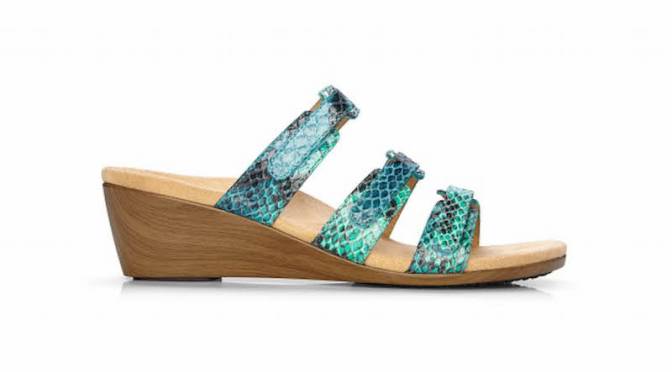
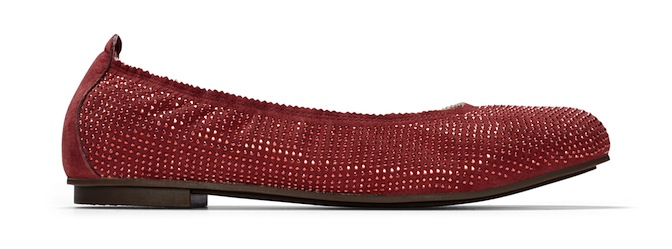
Consumers are telling us they want the shoes to be comfortable, but they also want color, material interest, styles that could sit well in the fashion area of a store, so that’s what we are doing at Vionic. Our design team is really pushing some traditional boundaries of what comfort is, and our consumer is loving it. Henry Ford once said if he had asked people what they wanted they would have asked for a faster horse! With that in mind we are trying to imagine where the comfort market could be and what consumers would like in the category in a few years time and then delivering that today
Vamp: Is the category as defined as it once was?
Mabb: For many retailers comfort is a critical part of what they rely on sales and profit wise, season in and season out. It’s normally a safe business for both sides and everyone knows what to expect. However the move into more athletic styles from comfort brands, that the consumer is asking for, is blurring the lines and there have also been some other innovative ideas over the past few years like toning and barefoot.
I think if you ask most consumers if they want their shoes to be comfortable regardless of what they look like, they say yes. Its just some people value the style over the look if it comes to that–we don’t think it always has to though.
Vamp: Who are the key players in the comfort category?
Mabb: There are some very established and high caliber brands that we look up to like Ecco, Clarks, Birkenstock, Skechers and Rockport. Regardless of their results year to year, they really mean something to consumers. And then there are some newer, more agile brands like Cobb Hill, Bernie Mev, Alegria that are doing some unique things for retailers and consumers.
Vamp: What is the status of traditional sit and fits?
Mabb: The market has certainly changed from what we can tell. Twenty percent of footwear in the U.S. is now bought online and if you go back 15 years that didn’t really exist. Those sales have come from somewhere and a lot of it is from the independents, we believe. However, they still have a USP (unique selling position) in terms of providing a human and personalized service experience that online will always find difficult to counter.
For us their future depends on specialization and providing something unique to the consumer they can’t get elsewhere because it’s going to be tough to compete on selection or price alone. We are trying to do our part for this channel through our PS Club concept. It’s all about sharing simple, proven, sales and profit building ideas with Vionic retailers, to help them grow their businesses. It’s not about Vionic shoes, but rather about being a true business partner and improving their operation where we can, so that they thrive and hopefully we grow with them. We are also just putting the finishing touches on a new idea to help independents compete with online from a selection perspective, which we plan to roll out in Fall 15.
Vamp: Who is Vionic’s target consumer?
Mabb: Vionic’s is a 40-plus consumer who is looking for better foot alignment and relief from common issues with their feet. Our podiatrist-designed footbeds offer retailers a special point of difference to many brands that they can educate their consumers about, literally building a “raving fan” as we call them and repeat purchase in the process. Our core customer is looking for a combination of on trend style and great support and when we do that they hopefully rave to friends and family about their brand experience. And we are so confident our technology is going to help most people that we back all our shoes with a 30-day money back guarantee.
It’s something our podiatrist and founder Phil Vasyli did when he was in practice so it’s really in our DNA as a company.
Vamp: What percent of your consumer base do you believe is a returning customer?
Mabb: It’s hard to put an exact number on it, but we know through online reviews and messages we receive that we have a lot of very happy consumers that love what we are doing with footwear. In reality, we are still a teenager from a brand life cycle perspective and there are literally millions of people that could be wearing our shoes that aren’t yet, so it’s a mix of new and repeat for us for a while to come.
Vamp: Is selling true comfort any more or less difficult these days, especially with so much attention turned to comfortable athletic shoes, footbed sandals, flats, etc.?
Mabb: I don’t think that much is getting easier for any business these days, but that’s how the market is supposed to work most of the time. Competition for the consumer’s wallet is everywhere and not just from other shoe brands or other shoe retailers. Most people have a finite amount of disposable dollars and if they spend it on electronics, home improvements, entertainment or the like then they aren’t spending it on shoes.
Personally, I believe the comfort category and footwear in general is too insular with sales only growing a couple of percent a year on average nationally. As an industry we would be better off worrying about what we can do to make buying shoes more exciting and appealing to consumers, rather than what the footwear competition is up to. It’s much better to grow the whole pie than try and take a slice from someone else I think.
Vamp: Are consumers becoming more comfort-savvy?
Mabb: I think they have become more athletic-minded in the past few years and those shoes are comfortable so that helps, but the rest of the category isn’t changing much.
Vamp: How does Vionic reach out to older, perhaps more traditional consumers, who are not online or using apps?
Mabb: Vionic has a unique technology, which really needs explaining and an education process to attract new consumers. We do that through video and digital assets that our retailers can use to inform consumers about what’s different, as well as more traditional in store display materials. And we have a team of field reps who every day work with our retailers to train staff on the technology and how to introduce it to people, along with a great online training program for sales associates. We are running national print and TV ads again this spring that are also attracting a lot of new consumers to our retailers, which is great for everyone.
Vamp: Vionic has a strong presence on home shopping networks. In what ways is this distribution channel a success, and how might it help others?
Mabb: We have a marquee relationship with QVC and together we have introduced the brand to thousands of consumers. They are a great retailer and also help drive a lot of consumers in to other stores for the brand. Their business model is very complex though and thousands of products come and go every month, so it’s a tough model to get right, and only the most committed normally survive.
Vamp: At what point did Vionic decide to step up its fashion game?
Mabb: The biggest move came a couple of years ago when we evolved from Orthaheel into Vionic with Orthaheel Technology. Orthaheel was going really well and some people probably thought we were crazy to change the name but we knew the name had limitations if we were to move down a more stylish path. Luckily the move was a good one and consumers like the name as well as the more stylish options we are now delivering.
Vamp: What did you see in the market to lead the company to go in this direction?
Mabb: We talk to consumers a lot and read hundreds of online reviews every month. We even have a consumer advisory board we meet with regularly to keep us connected. And they are telling us they want style as well as comfort—it is all about really listening to them outside of transaction mode at the end of the day.
Vamp: What steps has the brand made to make its footwear more fashionable?
Mabb: We have expanded our design team in recent years and they regularly shop the domestic and international markets to see what’s happening. We look at NPD data and we talk with our key retailers a lot about what they are seeing. Based on all that info we try and push the boundaries a little or expand a category each season so we always have something new and fresh coming down the pipeline. They don’t always work, but more do than don’t, so the approach is successful overall.
Vamp: Did you see a change in your consumer demographic?
Mabb: Not really—people don’t change that much that quickly. Trends and fads come and go but that’s not who we are—its all about listening and adapting—constant progress rather than chasing the next big thing for us.
Vamp: Are there particular collections or styles that resonate to a broader base of consumers?
Mabb: Vionic’s sandal business and active footwear are very successful and constantly growing. Those are shoes that nearly everyone wears so it makes sense. And we even have a great slipper business, which surprises a lot of people, but that’s mainly about the raving fans that want the technology at home rather than just out and about.
Vamp: How is Vionic tackling the athletic category?
Mabb: We have been doing athletic and walking shoes under Orthaheel for over ten years so its not that new to us. Under Vionic we have certainly evolved into even more on trend styles and our consumers love it. Most retailers think of our strength in sandals, but our biggest selling shoe ever is an athletic shoe at QVC so the consumer likes what we are doing in the space. Plus, as a big Seinfeld fan I am trying hard to get the sneakers with jeans look back on track!
Vamp: What are some of the highlights in the Fall ’15 collection?
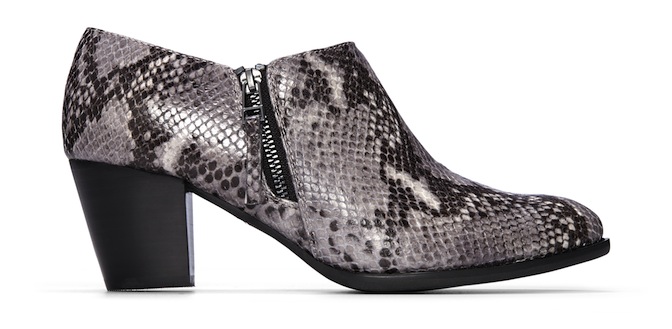
Mabb: More fresh active product and an expanded boot collection are our major drives for Fall ’15. And also significantly improving the leathers we use and the fit and comfort of our closed shoes. Our new fit and feel department has been working really hard on that and we are confident that will see much stronger sell-throughs for Fall ’15 in these categories.
Vamp: Do you foresee a future when Vionic will introduce new comfort technology?
Mabb: We are pretty special in the sense that we started as a medical orthotic company and have some of the best medical minds in the world on our team when it comes to feet. They aren’t shoe guys, but they do know what feet need biomechanically and we call that our Vionic Innovation Lab. Through this team’s knowledge we are constantly developing, testing and then delivering medically based ideas into our retail shoes, in a way that really works and consumers appreciate.