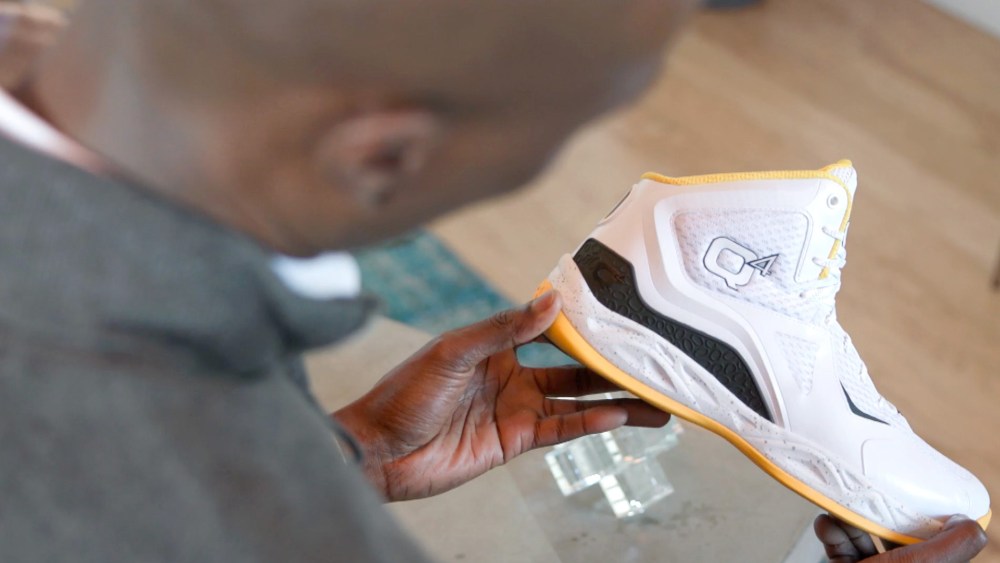
The Savannah College of Art and Design has released its new sneaker insights report from SCADask, the university’s applied research studio, looking at how sneaker design, manufacturing and culture have changed rapidly.
SCADask conducted a proprietary survey with more than 800 respondents for the report, titled “From Tech to Track: The New Era of Sneaker Innovation.” The report draws from its interviews with major athletes and includes ongoing conversations with industry leaders at brands such as Adidas, Nike, Puma, Reebok, Skechers, Under Armour and the Cleveland Clinic.
Related Stories
The report’s authors noted that with consumer expectations around innovation, wellness and identity top of mind, the footwear industry has responded by becoming more personalized and “emotionally resonant.” They continue on to note that “sneakers are no longer just products of style or sport. They are platforms for transformation. With each innovation, footwear moves closer to the body, deeper into the city and further into the future.”
With sustainable design, recovery technology and community activations, sneakers can continue to offer brands a means for their consumers to connect with their footwear on a deeper level with storytelling.

One key finding from the report is the rise of sustainability and circular manufacturing models, by utilizing robotic spraying, 3D printing and compostable materials. Using these sustainable materials and more automated processes can help boost made-to-order models, reduce inventory and hyperlocal low-waste production.
Another takeaway is that smart footwear powered through biometric sensors and recovery features can help optimize athletic training, track fatigue and body restoration in real-time. Through the integration of artificial intelligence-powered systems that adapt to stress and help regulate performance, sneakers are now becoming personal performance ecosystems.
“AI improves sustainability by minimizing material waste, enabling precise 3D printing and facilitating eco-friendly material selection, helping brands reduce their environmental footprint,” said Long-Nam Tô, chair of accessory design and sneaker design at SCAD.
Through community and cultural engagement, brands can deepen consumer loyalty by immersing sneakers into social rituals such as run clubs, fandoms and collaborations that prioritize belonging. There’s been a growing demand for transparency, sustainability and identity-driven products. Retail has now become a space for cultural movement, matchmaking and storytelling that unlocks both access and identity.
The new report also forecasts the latest technologies in the footwear space, including AI-enabled design, self-healing textiles and adaptive fit systems that are helping redefine and push the boundaries of the role of sneakers within both daily life and athletic achievement. Moreover, the report reinforces how sneakers have continued to play a role in amplifying human connection and authentic community engagement.
SCAD boasts the world’s first and only M.A. and M.F.A. programs for footwear design, from streetwear styles to casual shoes to runway-ready designs.
As part of SCAD’s commitment to responsible design, its accessories and sneaker design departments have partnered with ReValorem, a sustainability-focused network in Paris, to highlight circularity thinking into its curriculum.
“In all aspects of life and fashion sneakers are integrated, not to mention sneaker collaboration,” said Quintin Williams, professor of accessory design and sneaker design at SCAD. “It’s really exploded and taken a front seat in the fashion industry.”
To read the full report by SCADask, visit scad.edu.