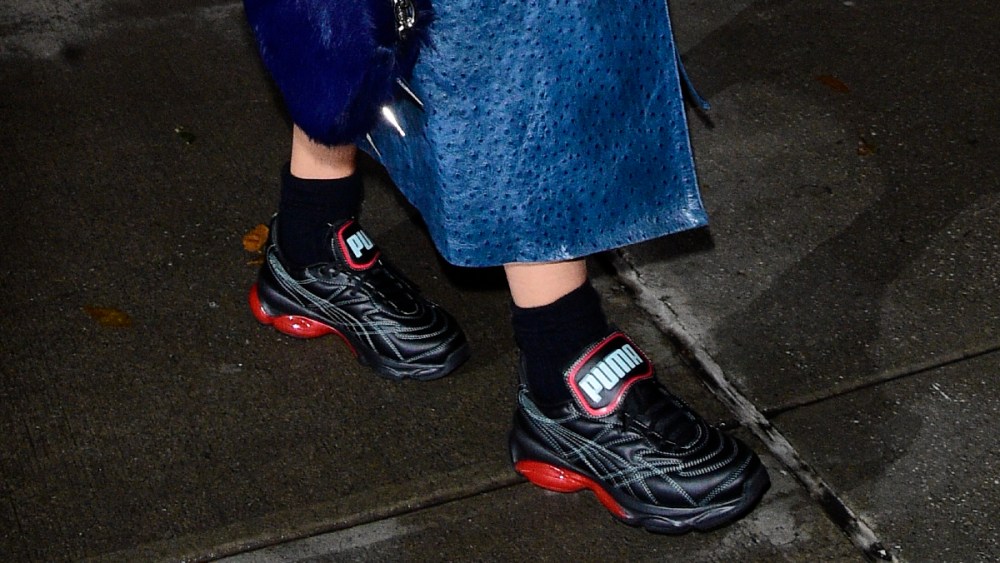
Deforestation-free leather just got another backer after Puma took action to clean up its supply chain for the footwear-favorite material.
The German athletic giant signed onto the Deforestation-Free Call to Action for Leather, the Textile Exchange and Leather Working Group initiative asking brands to commit to sourcing their bovine leather from deforestation or conversion-free supply chains by the end of the decade.
“To mitigate the risk of biodiversity loss due to our production processes, Puma addresses environmental pollution risk through our targets to increase the use of more sustainable materials and through our suppliers’ program on climate, chemicals, water and air,” Veronique Rochet, senior head of sustainability at Puma, said.
You May Also Like
Related Stories

She went on to say that the commitment ties into a Puma sustainability goal focused on supporting biodiversity. The Rihanna partner also pledged to only use “wood or wood-derived fabrics” sourced from forests not deemed ancient or endangered.
Puma currently sources leather from Leather Working Group-certified tanneries, the sportswear company said, meaning these manufacturers are working to implement strong environmental management and traceability standards. Puma also monitors its Leather Working Group medal-rated tanneries’ upstream traceability performance. However, half of Puma’s leather is suede—a byproduct of the full-grain leather business. Because most suede tanneries work with agents and intermediaries outside of direct tanneries to guarantee a stable supply, enabling truly complete traceability from the cattle ranch level and onward is challenging for any company sourcing this material.
What’s more, the business of fashion often harms the environment in ways that may not be obvious to the consumer. The act of producing and preparing raw materials, such as leather and cotton, is known to affect biodiversity by degrading soil health, upending ecosystems and polluting critical waterways. That’s not to mention what happens when a product such as a leather sneaker reaches the end of its useful life and often ends up clogging a landfill or towering in one of the many dumpsites dotting the global South.
With growing awareness around fashion’s sustainability challenges, brands and retailers face mounting pressure from the government as well as nonprofits and consumers to ensure that they’re using leather products and materials that don’t harm forests and other critical ecosystems. At the same time, these brands may find it difficult to engage with their suppliers and map their supply chains far enough to identify their raw material sources, let alone take action, the call to action’s toolkit said.
Puma has also made moves to reduce some of its leather consumption. Earlier this year it said it would stop using k-leather before 2024. California already prohibits the sale of goods produced with the skins of kangaroos.
Textile Exchange and Leather Working Group jointly launched the Deforestation-Free Call to Action for Leather initiative last month. They want to equip brands with useful tools to get on the road to sourcing nature-friendlier leather that preserve critical forests. Brands that sign on are expected to commit to zero gross deforestation and conversion for all levels of farming, including cows and calves, raising farms and direct farms. They also pledge to respect human rights across the entire bovine leather supply chain, which includes recognizing and protecting the rights of Indigenous peoples and local communities. Brands are also to work with their supply chain to identify and respond to problems such as those related to deforestation, conversion and human rights violations related to cattle production.
Adidas, H&M Group, Kering, Reformation and Tapestry are among the initiative’s early adopters.