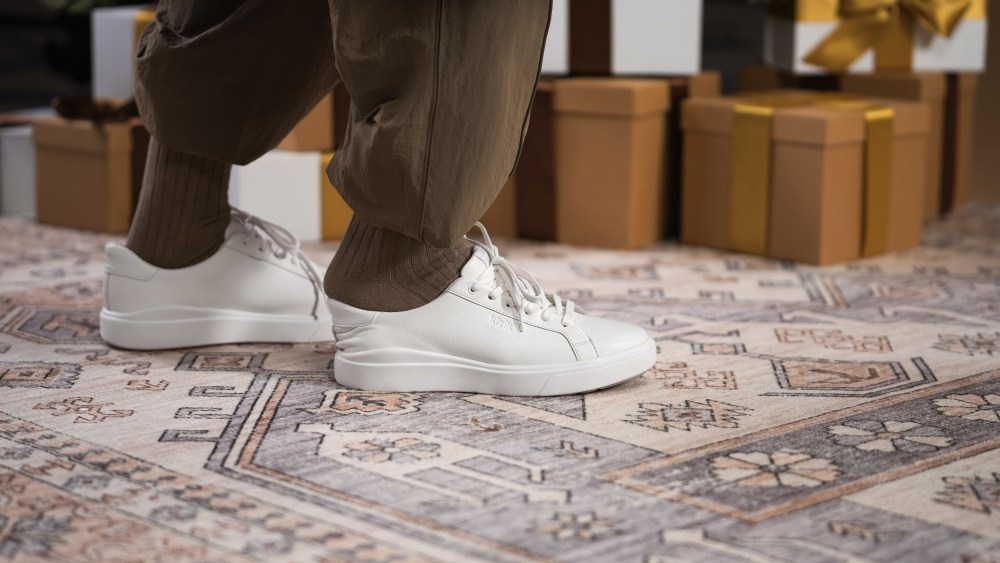
The Flex Marketplace is going big into the footwear category, signing on Kizik as demand for mobility and comfort needs in shoes continues to grow.
“We’re in advanced conversations with several major shoe brands and expect to bring them onto the platform before the year ends,” Flex CEO Sam O’Keefe said. “Overall, the HSA/FSA footwear opportunity is massive. It’s a category where eligibility awareness is still low, but consumer need is extremely high — and we’re just at the very beginning of unlocking that potential.”
Related Stories
Customers can verify eligibility on the site and then follow by using their HSA/FSA funds as payment. A Flex case study cited an unnamed orthopedic brand on its marketplace that saw within weeks of launch that 17 percent of all sales were completed using HSA/FSA debit cards, providing the brand with a share of transactions that didn’t exist before. Moreover, orders placed using Flex had an average order value 20 percent higher than those using traditional payment methods.
You May Also Like
Hands-free brand Kizik joined the platform on Tuesday. O’Keefe said the partnership is designed for the long term, but declined to provide any further details, such as the fee that merchants pay for offering Flex as the payment solution. She said her firm’s “agreements are custom per retailer.”
O’Keefe added that Kizik is helping Flex address mobility and comfort needs from “pregnancy and postpartum recovery to injury rehabilitation, sensory needs for children, and conditions like arthritis, plantar fasciitis, and back pain,” with many of these conditions meeting HSA/FSA spending requirements.
Kizik’s chief marketing officer Elizabeth Drori said her shoe firm had been thinking about different purchasing options when she was approached by O’Keefe at a conference and the two companies began discussing terms.
“[At] Kizik, we aim broadly because we really are for everyone. We haven’t really taken enormous steps to focus on needs-based audiences, and this past year, we started leaning into it more. We launched a partnership with the Parkinson’s Foundation, and we’ve done something with the MS Society. And we know that for certain populations, we don’t just enable convenience, we enable independence, autonomy, freedom, mobility,” Drori said, adding that the arrangement means that Kizik is both on Flex’s marketplace and also able to offer the payment option on its own website.
Drori said onboarding the Flex system now seemed the right time both because of the holiday season and because people are looking to use the funds they have set aside in their accounts.
While Drori cited the Vegas 2 and Athens 2 as the popular models among the women’s styles, all of Kizik’s offerings — including new boot options — for its women’s, men’s and children’s assortment mix are available for consumers to buy.
The chief marketing officer said Kizik customers tend to skew more female than male. Customer needs range from women who are pregnant or are new moms, dog walkers, healthcare workers, anyone with a sports injury or other disability or post-operative need, and an aging customer who values the slip-in style because “they don’t have to bend over” for mobility reasons, she said. Drori said children’s has become a focus too, particularly for kids who have neurodivergent needs.
Kizik’s parent is HandsFree Labs and it has licensed its technologies to other partners, such as Nike. The parent holds a global intellectual property portfolio of more than 200 issued and pending patents covering multiple proprietary hands-free footwear systems. Drori said that what’s unique about the HandsFree technology is its ability to flex and bounce back, as well as stay securely on one’s foot.
“We have different technologies in different shoes depending on what the shoe is trying to do and how it best works. We’re even launching some boots next year that we just develope brand new technology that will best enable the step-in experience in that boot,” Drori said.
Kizik this past summer launched a mobile activation tour in eight cities across the U.S., using the pop-ups to test how it could scale in physical retail sites beyond direct-to-consumer for omnichannel growth.
