
Physical retail is a vital part of our economy and our communities, so it isn’t surprising that we continue to see thousands of new physical store openings each year across multiple retail categories.
To serve shoppers and their evolving tastes, these stores cannot simply be duplicates of existing locations. Today’s consumers want convenience, they place a premium on the in-store experience, and they expect stores and brands to embrace the latest technologies. Much of these new features are driven by Millennials, who do an overwhelming majority of their shopping in stores – 90 percent of Millennials shopped at physical stores during the most recent holiday season, according to ICSC data.
Related Articles
As retailers adjust their tactics at new and existing locations, several themes stand out.
You May Also Like
The Bargain Hunt
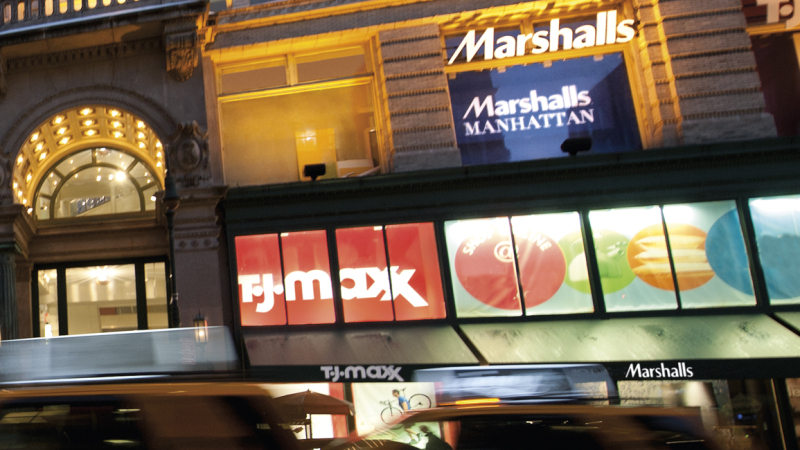
Even in the midst of a sound economy and continuing confidence among consumers, shoppers still want a deal. Brands such as T.J. Maxx and Marshalls, with more than 2,300 stores combined, are not only doing well on Wall Street but are resonating with consumers – resulting in a marked increase in store openings.
The experience of being able to “hunt” for a good deal has not only increased sales and additional locations, but has also led some retailers to implement texting platforms that notify customers of the delivery of new merchandise. Additionally, these stores are bringing customers through the door by staying offline – and it’s working for them.
The success isn’t just limited to off-price department stores; discount stores of all types are seeing continued success this year. Whether it is the classic discount stores such as Target or Walmart, or the discounted variety stores like Dollar General, consumers are flocking to them for a good deal.
Virtual to Physical Channels
Formerly online-only brands are also tapping into consumer desires with plans to open hundreds of brick-and-mortar stores across the country this year. The increased visibility results not only in greater brand awareness, but also an increase in online sales.
In the past few years, brands like Untuckit, Warby Parker and Bonobos moved into physical operations, with other brands following suit. Sneaker maker Greats built an online following before making the move to physical stores and is planning to open a number of showrooms that include artful displays and community events.
Then there are brands like second-hand handbag retailer Rebag, part of a growing number of options in the gently used luxury market. They started online before moving to pop-ups and eventually seeking permanent spaces. Preowned items also comprise the inventory for ThredUp, the online thrift store that’s planning to open 100 locations. These brands are capitalizing on the consumer demand for a bargain and the desire to “hunt” for new wares.
Experience Matters
From pop-up shops to virtual reality furniture showrooms, forward-thinking retailers are prioritizing experience in a quickly changing environment. The idea of stores without merchandise is just one idea brands are testing in this era of experience. In 2017, Nordstrom launched its first “Nordstrom Local” concept in Los Angeles, focusing on delivering convenience and personalization to its clientele. Customers can complete several tasks simultaneously, including picking up their online orders, personal services such as manicures, and café and beverage indulgences; Nordstrom’s well-regarded custom tailoring is also available at the concept store. The company is planning to expand the idea to additional locations in the Los Angeles area and is considering locations in other destinations, including New York City.
Women’s apparel retailer MM LaFleur successfully crossed over from pop-up to permanent because of its clothing offerings and its impeccable customer service. Similar to Nordstrom, the personalized attention clients receive during their free one-hour session with personal stylists has led to a loyal customer base and an overwhelming number of repeat customers (70 percent).
The new face of retail isn’t just about apparel or the selling of a single brand, it’s really about the experience a customer has in store. Story, recently acquired by Macy’s, has proven this with its retail concept that “takes the point of view of a magazine, changes like a gallery and sells like store.” Customers are treated to a reinvented store every four to eight weeks, allowing for different themes and trends with a wide appeal.
Technology-enabled shopping
Another facet of retail technology is virtual reality and augmented reality, which enhance the in-store experience. Home design stores like Ikea are using VR so customers can envision products in their homes; Sephora is incorporating mirrors that digitally apply cosmetics, allowing customers to see how products look without physical application to the face, and Samsung created a literal platform for users to run, jump and fly using its VR headsets. All of these efforts increase brand identification and loyalty.
Technology is also informing in-store structure. DSW reorganized their stores to mimic online shopping patterns and customers’ digital behavior. Nike leveraged data from its app to identify hyper-local consumer profiles and stocked its 2018 Los Angeles concept accordingly. The Container Store also took cues from its online business when envisioning its new store design, implementing more project-based assistance such as one-on-one appointments with design experts.
Consumers have access to much more information about brands, pricing and other elements of the shopping experience than ever before. They know where to find the best price, they have multiple ways to make purchases, and they see shopping as far more than a transaction. Retailers must appeal to consumer needs and tailor their experiences – both on and off-line – to fit these needs. Today’s shopping trips often are as much about the way you feel as the products you buy, and the new concepts in retail stores are capturing that energy on the sales floor.
Appointed president and chief executive officer in September 2015, Tom McGee oversees strategic leadership and operations at ICSC. Prior to joining ICSC, he served as vice chairman of Deloitte, the world’s largest professional services organization, where he garnered 26 years of experience in managing an organization with diverse constituencies around the globe.
More from WWD:
Beauty Consumers Want to Be Left Alone