
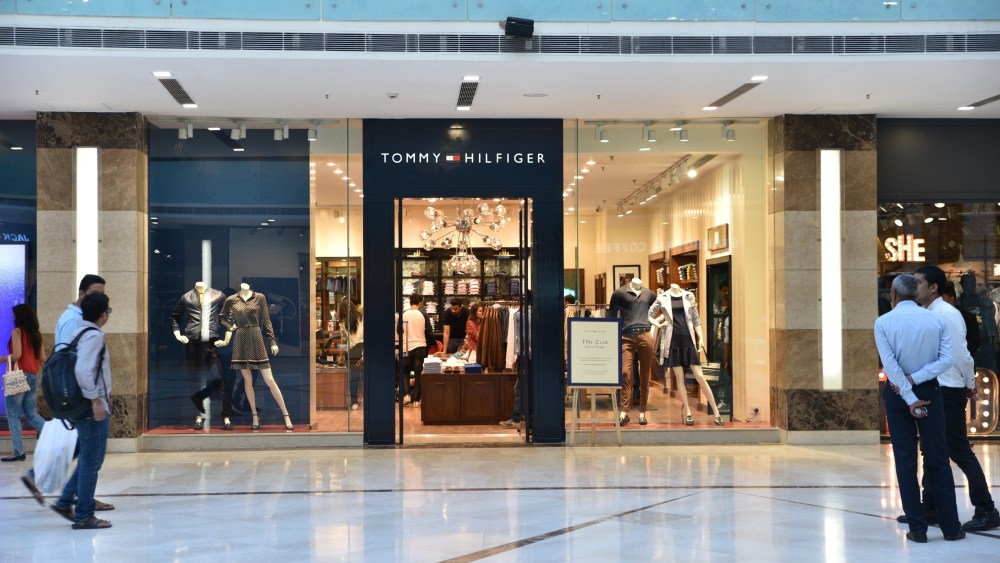
NEW DELHI, India — Global retailers looking to enter the Indian market have been reading the fine print in the government’s latest budget to determine the latest attitude toward overseas investment.
The dissolution of the Foreign Investment Promotion Board, which has been the watchdog for overseas retailers entering the country, leaves an uncertain process for new international retail in India, as does the announcement of a goods and service tax expected to come into effect on July 1.
Analysts said that removing the FIPB should ease the process for foreign investment and reduce bureaucracy and delays — all important agenda items for global retailers.
Related Articles
The goods and service tax is expected to change and facilitate the tax process in a way that retailers have long hoped for, reducing the intricate and lengthy process of negotiating complex state and central government taxes.
You May Also Like
However, the actual processes for both are still unclear.
“We will have to wait and watch until detailed guidelines are issued,” Anil Talreja, who heads the retail and consumer business at Deloitte ToucheTohmatsu India LLP, observed in a webinar analyzing the key policy changes, tax reforms and other proposals, and the impact on the retail and consumer sectors. “It certainly gives retailers a push to re-look at their India strategy and a lot of retailers who have been sitting on the fence are waiting to see what is the policy the Indian government is going to announce that will perhaps also lead to some additional investment in the sector as well.”
The budget has also been keenly analyzed for incentives to ensure the economy’s growth rate and consumer spending, which analysts believe will continue to grow.
Finance minister Arun Jaitley quoted figures from the World Bank to indicate that gross domestic product would remain healthy. The bank has predicted that GDP is expected to be at 7 percent until the end of the financial year 2017, and 7.6 percent in 2017-18.
Analysts have also noted that with the budget’s incentives, consumer spending should continue to increase.
“We are also seeing how the budget will affect consumption,” said Kumar Rajagopalan, chief executive officer of the Retail Association of India. “If consumption does not happen no retail or goods company can survive. There are a few points in the budget for generation of employment and infrastructure development, both of which lead to consumption.”
He explained that these include a tax cut from 10 percent to 5 percent for those with an income between 250,000 and 500,000 rupees, or $3,745.12 and $7,490.24.
“That is about 12,500 rupees [or $187.23] in the hands of consumers. That is wonderful news for retailers and consumer companies,” said Rajagopalan.
However, luxury spending may continue to be a challenge. The finance minister said that no cash expenses of more than 300,000 rupees, or $4,493.91, would be allowed. As the luxury market has been largely cash-driven, the spending limit is expected to hit premium and luxury retailers.
A further 10 percent tax surcharge on those with incomes from 5 million rupees, or $75,000, to 10 million rupees, or $150,000, will further impact this spend.
Although the $650 billion retail industry has seen much change over the last five years, with 100 percent foreign direct investment allowed in single brand retail and 51 percent in multibrand, major roadblocks remain, including regulations that require local sourcing for global retailers.
In the last five years the only global multibrand retailer to come into the Indian market is Tesco of the U.K., in a joint venture with Tata Ltd.
The largest single brand entrant is Swedish company Ikea, which revealed plans to enter the Indian market in 2012 with an investment of $1.5 billion over the next 10 years. Its first 400,000 square foot store will open in Hyderabad, in Southern India, this year.
The budget has brought some disappointments as well.
“The Union Budget 2017-18 was expected to be focused at boosting consumption, and the finance minister has delivered what was expected,” said Sunil Duggal, chief executive officer of Dabur India Ltd., a consumer goods company. “The only disappointment, I would say, is the absence of any cut in the corporate tax rate for larger firms, which most people had expected.”
Consumers have been bitterly disappointed that the pain of demonetization has not sufficiently been compensated. The government withdrew 80 percent of the cash from the system after a surprise announcement on November 8 withdrawing 500 rupee and 1,000 rupee notes with immediate effect.
Without sufficient planning to facilitate the change, the last two months have been a lackluster time for retailers as consumers have suffered from little access to money, with long lines at banks.