Call it a communications conundrum.
The world is not just uber connected, but overflowing with lightning rod social issues. And fashion brands are feeling the pressure — from consumers, shareholders, employees, seemingly everyone — to take a stand and make a difference.
But what stand? And what issue?
When almost everything alienates someone and so many are shouting, just when should companies wear their hearts on their sleeves and how do they know what to say and what not to say?
Related Articles
There are no easy answers, but a duo of former White House staffers have formed Second Floor Advisors with an eye toward helping companies figure out how to speak while standing at the intersection of politics, fashion and social impact.
You May Also Like
Founded by Thomas Isen and Alex Yudelson, the advisory’s name is a nod to their former perches in the West Wing under President Joe Biden.
Isen was the primary liaison between the president and his cabinet at the White House and before that worked in a variety of roles in fashion, beauty and retail, including stints at Charlotte Tilbury and Dr. Barbara Sturm. Yudelson served as executive secretary of the Domestic Policy Council under Biden as well as President Barack Obama’s liaison to the sports teams, leagues and athletes and chief of staff of the City of Rochester.
“Whether it’s a celebrity, a fashion brand, a retail brand, a sports team, an athlete, everyone is existing in the real world right now,” Isen said. “Crises just keep mounting and people are being asked or being forced to respond in ways that they’ve never had to.”

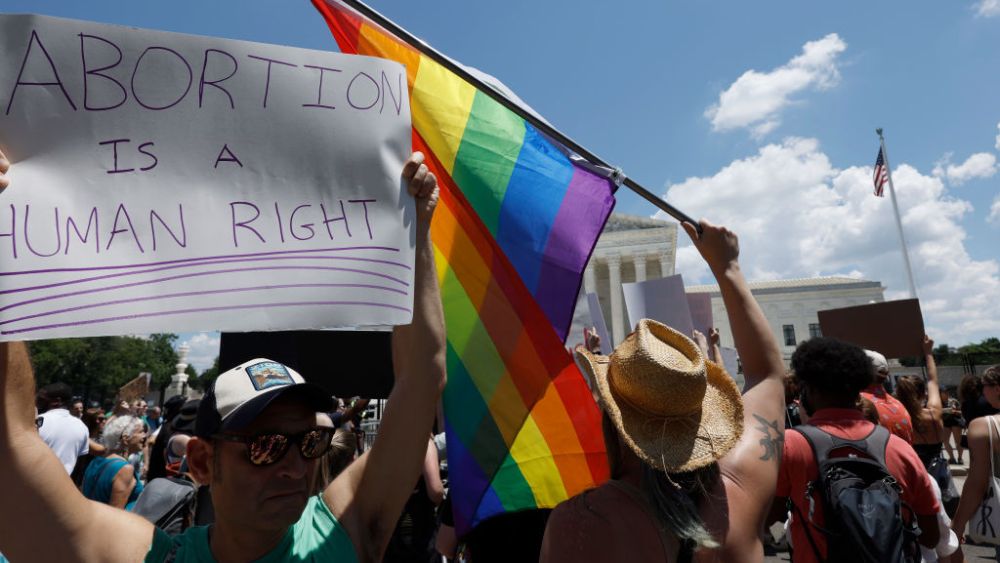
From gun control and racial justice to the assault on LGBTQ rights to the Supreme Court takedowns of Roe v. Wade and affirmative action, society seems to be at any number of cross roads.
“There does seem to be more happening, and I think that’s just a function of the more connected world that we live in right now,” Yudelson said.
“We are not of the philosophy that someone needs to speak out on every issue under the sun,” he said. “Knowing when to speak out is as important as knowing how to speak out and what you say and how you do it.”
And controversy abounds. Witness Target, which pulled some of its Pride-related merchandise from stores after receiving threats as well as complaints from some shoppers. Then there was a backlash to the backlash and drag performer UltraViolet launched a petition to encourage Target “to not give in to anti-LGBTQ+ bullies.”
Yudelson said: “As a matter of sort of principle, we shouldn’t let a few protesters at a Target stop a multinational corporation from just simply having some clothes that are inclusive. And so to the extent that you are seeing some conservative backlash, we think we’re well positioned to both help alleviate that, but also to provide the message that you don’t need to kowtow to a few, a very small minority of people that just happen to be very loud.”
Yudelson and Isen aren’t lobbyists, but communication guides and advisers who know whom to talk to in Washington and how to make the right connections.
“What we want to do from the social impact point of view is to take this beyond a performative social media post,” Yudelson said. “So if you actually care about LGBTQ rights, if you actually care about voting rights, if you actually care about gun violence issues, we want to be the people that tell you how to communicate about this in a way that moves the needle in the right direction or be the people that brings you to D.C. so you can use your platform to move the needle in the right direction.”