
China‘s gross domestic product rose 5.4 percent year-over-year in the first quarter, surpassing analysts’ forecast of 5.2 percent growth, according to ING.
On a quarter-on-quarter basis, China‘s economy expanded by 1.2 percent, according to data from the National Bureau of Statistics, which was released Wednesday.
China’s GDP grew by 5 percent in 2024.
Despite a mounting trade war with the U.S., uncertainty around the effectiveness of the current fiscal stimulus package, and whether consumption will bounce back, Beijing has set a GDP target of around 5 percent for 2025.
Related Articles
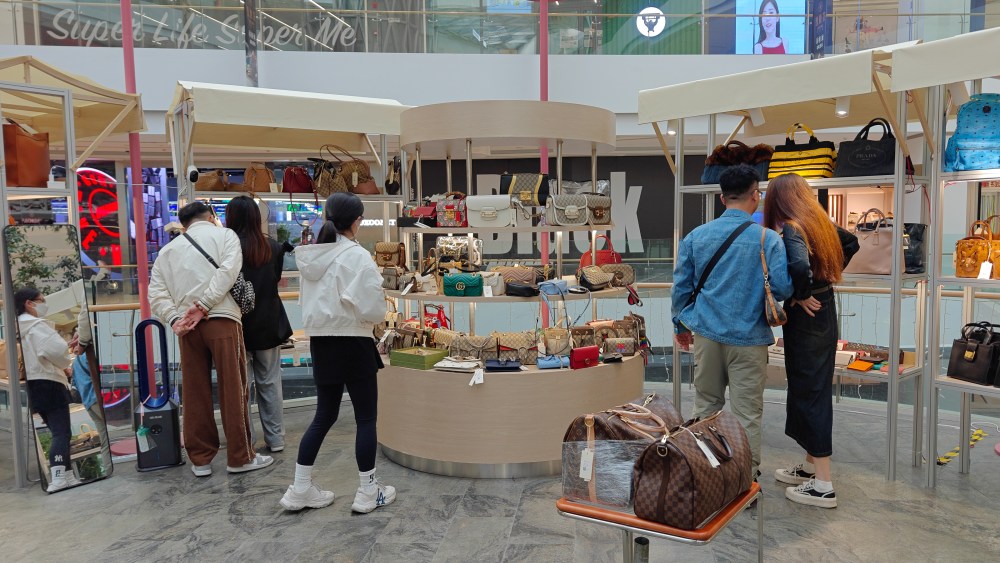
First-quarter retail sales of consumer goods showed a modest pickup, logging a 4.6 percent year-over-year increase to reach 124.6 trillion renminbi, or $16.9 trillion.
You May Also Like
In March, total retail sales of consumer goods rose 5.9 percent year-on-year.
Total online retail sales reached 3.624 trillion renminbi, or $493.1 billion, up 7.9 percent year-over-year.
Retail sales of clothing, shoes, hats and textiles reached 386.9 billion renminbi, or $52.6 billion, from January to March, logging a 3.4 percent year-over-year increase.
Sales of cosmetics reached 114.9 billion renminbi, or $15.6 billion, a 3.2 percent increase compared to the same time last year.
Industrial output grew by 6.5 percent year-on-year, 0.7 percent faster than in the same period of 2024. Most notably, the production of new energy vehicles, 3D printing devices and industrial robots surged 45.4 percent, 44.9 percent and 26.0 percent year-over-year, respectively.
Eurasia Group noted in a memo that despite favorable consumption results in the first quarter — which was buoyed by a nationwide initiative to trade in used goods and fiscal support, momentum is expected to soon taper off.
“Beijing has signaled plans to expand these efforts, but the impact may be uneven,” wrote Eurasia Group.
“In response to the trade shock, authorities have also launched administrative measures to help exporters pivot to the domestic market — including mobilizing online platforms. Still, this transition will be difficult, given exporters’ limited experience navigating domestic standards, regulations, and distribution channels,” Eurasia Group wrote.
According to ING, this year’s policy will center around domestic demand.
“One important aspect will be building out the services sector, including childcare and elderly care and so-called ’life services‘ like catering, domestic services, healthcare and tourism. We will see if these efforts bear fruit in the coming quarters,” ING wrote.