
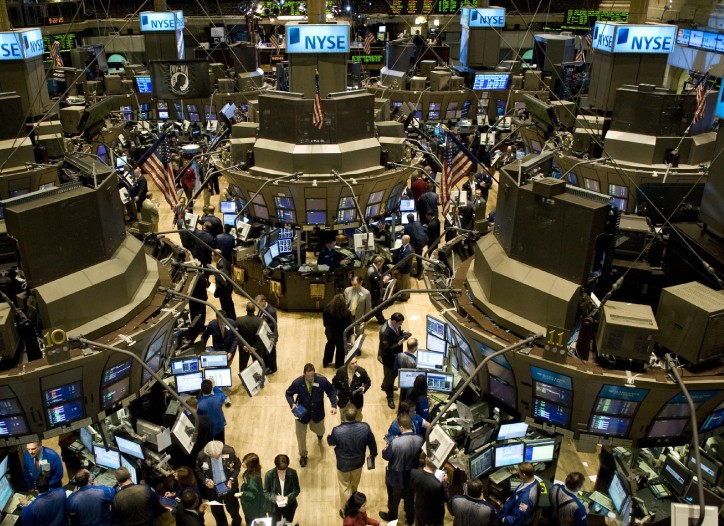
U.S. stocks fell sharply ahead of the long holiday weekend as investors couldn’t quite figure out how the Federal Reserve would react to a mixed jobs report in deciding on an interest rate hike.
As a result, the Dow Jones Industrial Average fell 272 points, or 1.7 percent, to 16,102 while the S&P 500 dropped 1.5 percent to 1,921. The S&P 500 Retailing Industry Group Index shed 1.1 percent to 1,166.
Some notable decliners were Aeropostale Inc., which fell 4.7 percent to $1.01, and Vince Holding Corp. with a 43.7 percent decline to $5.22. Most of the decliners in retail and fashion apparel were between 1 and 3 percent.
The declines occurred even though the non-farm payroll report was considered a strong one. Employment increased by 173,000, although most estimates were for 217,000. June and July were both revised higher.
Related Articles
Apparel retail jobs increased in August over July, but were lower by 0.2 percent over last year. Clothing stores saw jobs increase by 5.3 percent in August. Investors were also keen on whether Americans were seeing income increases, and they did. The average hourly earnings for August rose by 8 cents to $25.09; that follows a 6 cent gain in July.
You May Also Like
Hourly earnings have risen 2.2 percent over the year and that is good news for retail. More income should hopefully translate to more spending.
At the opening bell, all major U.S. indices dropped quickly. By midday, the Dow had lost 300 points, or 1.8 percent, while the S&P 500 was down 1.6 percent – and stayed there for most of the day. The U.S. copied the European markets, which fell across the board after German factory orders fell more than expected in July. China remained closed for its World War II victory celebrations, while the remaining Asian markets all closed to the downside.
London’s FTSE 100 fell 2.4 percent to 6,043 while the German DAX lost 2.7 percent to 10,038. In Paris, the CAC 40 shed 2.8 percent to close at 4,523 while the FTSE MIB in Milan declined 3.2 percent to 21,473.
Nariman Behravesh, chief economist at IHS Global Insight, said the August jobs report “was decidedly mixed. The monthly payroll survey showed a below-expectations increase. Meanwhile, the unemployment rate fell to the lowest level since early 2008 and wage inflation showed some signs of life.”
“The weakness in August employment should not be over-interpreted,” Behravesh explained. “The August data on jobs are often distorted by seasonal factors – such as a surge in teachers being hired at the start of the school year. Moreover, August data are almost always revised up – sometimes substantially. More important, the three-month and year-to-date averages look solid.”