
Specialty and department stores continue to log year-over-year sales increases in March — despite skyrocketing gas prices — but there were signs that momentum was slowing from earlier in the year.
Last month, U.S. department store sales rose 7.4 percent while apparel and accessories specialty stores gained 7.3 percent compared with March 2021, according to the Census Bureau’s latest reading of U.S. sales. Sales at non-store retailers, which is made up mostly of e-commerce sites, inched up 1.8 percent as people clicked less and ventured back out to stores with lower COVID-19 counts.
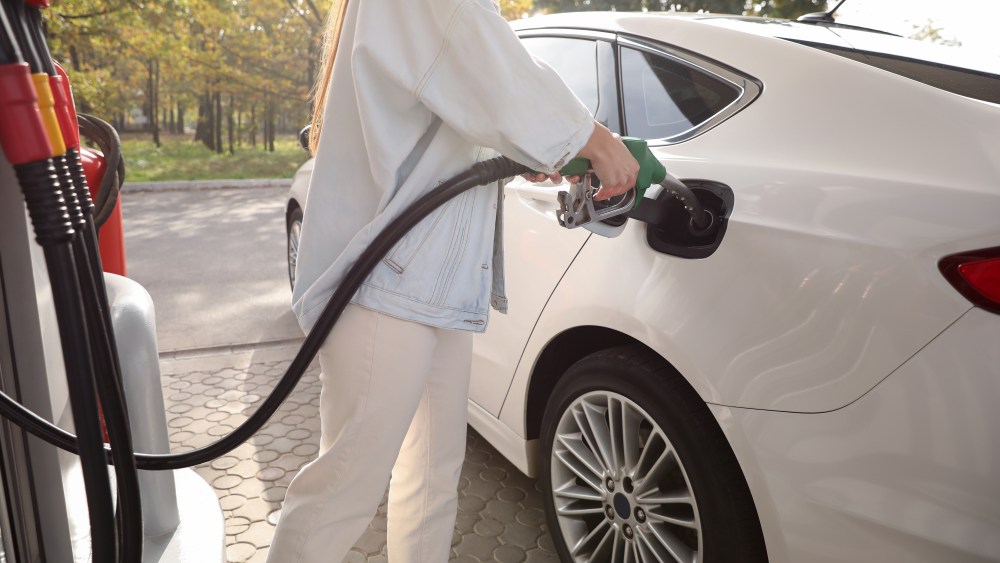
However, gasoline prices — pushed higher over the war in Ukraine since Russia is a key energy producer — pushed sales at gas stations up 37 percent, taxing the consumer in a way that could eventually prompt bigger shopping changes.
Related Articles
The official retail sales figures are not adjusted for inflation, which is at a 40-year high as the world works through pandemic-related supply chain backups and increasing tensions over the war, which is threatening Europe with a recession and has clamped down on the now heavily sanctioned Russian economy.
You May Also Like
Overall, total retail and food service sales increased 6.9 percent.
Seasonally adjusted figures comparing March sales with February’s show that all of the economic strain is starting to impact sections of the fashion retail world.
While gas sales were up 8.9 percent from February, apparel and accessories specialty stores inched up just 2.6 percent and department stores were down 0.3 percent. Non-store retailers logged a 6.4 percent decline.
Total retail and food service sales increased a seasonally adjusted 0.5 percent from February.
Jack Kleinhenz, chief economist at the National Retail Federation, found signs of reassurance in the numbers.
“While prices soared in March and eroded spending power, shoppers remained resilient and sales were healthy,” Kleinhenz said. “Consumers have the willingness to spend and their ability to do so has been supported by rapid hiring, increased wages, larger-than-usual tax refunds and the use of credit. They are largely dealing with the shock of gas prices, but will be facing higher interest rates as the Federal Reserve tightens monetary policy in the coming months. The challenge for the Fed is to cool off demand without pushing the economy into a dramatic slowdown.”
More from WWD:
CEO Talks: ThredUp’s James Reinhart