LONDON — Sana Jardin, the clean fragrance brand that also helps flower harvesters create and sell products from organic waste, has raised a further $2 million in funding.
The new funds have come from existing investors, and will be put toward expanding Sana Jardin’s geographic reach, especially in the U.S.; reinforcing the brand’s product and social messages; and extending its cooperative business model from Morocco to more countries, including Egypt and India.
Founder Amy Christiansen said the brand, which had previously raised 3.4 million pounds from a broad base of private investors, is at a tipping point in terms of growth.
You May Also Like
Related Articles
In particular, the new funds “will help unlock the U.S. market, which represents a huge opportunity for us,” said Christiansen, adding that the U.S. has become Sana Jardin’s largest sales region despite little marketing investment.
Sana Jardin offers 11 fragrances and a selection of candles, with scents created by the master perfumer Carlos Benaim and made by IFF.
Each fragrance contains up to 20 percent essential oils and all of them are free from artificial colors, parabens and formaldehydes. Each juice contains at least one ingredient that’s been grown in Morocco, such as jasmine or rose.
Christiansen, whose background is in social work and philanthropy, said the U.S. customer in particular has embraced the brand’s product and social messages. “They are interested in purpose-driven, clean businesses,” said Christiansen, an American based in London.
The brand sells at stores including Credo and Bluemercury in the U.S.
Sana Jardin is distributed through 160 stockists in 23 countries. Some 40 percent of the business is done through the brand’s e-commerce site.
Other stockists include Liberty, Harvey Nichols, Galeries Lafayette and Selfridges. With the new funding behind her, Christiansen said she is also eager to push Sana Jardin further into Europe, the Middle East and Asia.

The money will also be put toward updating the branding, website and marketing with Sana Jardin pitching itself as a purveyor of “modern alchemy.”
The funds have also been earmarked to scale the social purpose side of Sana Jardin’s business.
When Christiansen launched the brand in 2017 she was keen to ensure that the flower harvesters, most of whom are women, were employed year-round and could control of their own finances.
To that end, Sana Jardin set up a cooperative in Morocco that offers training in finance, literacy, product development and sales. The training has enabled the women to develop and sell their own products made from recycled flower waste, and keep 100 percent of the profits.
Sana Jardin said that in 2022 the women saw a 128 percent increase in their annual income as a result of those sales.
The harvesters transform flower waste into products such as orange blossom water and scented candle wax. The water is used widely throughout North Africa and the Mediterranean and can be used for making tea, for baking and for washing the face and hands.
This year, the plan is to scale the cooperative model and extend it to India and Egypt, where Sana Jardin sources some of its raw materials.
The company has also been making strides on the sustainability front. It uses boxes made from upcycled coffee cups and recyclable glass bottles with compostable caps.
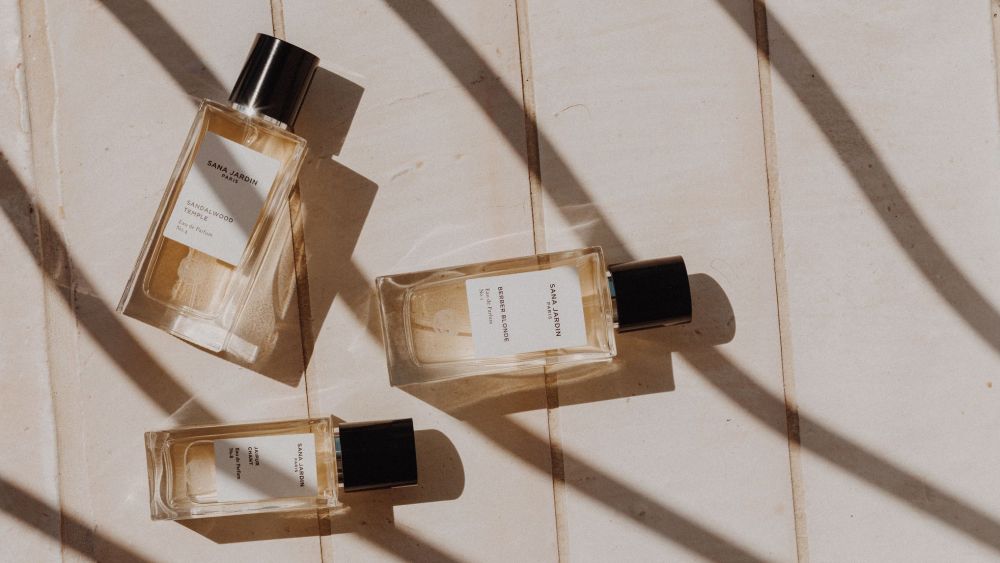
The top-selling fragrances include Tiger By Her Side, which has amber notes; Berber Blonde, which is infused with fresh orange blossom; Jaipur Chant, a tuberose juice; and Sandalwood Temple.
The eau de parfum fragrances range in price from 28 pounds for a 10ml rollerball, to 95 pounds for 50ml, to 180 pounds for 100ml.
Sana Jardin also offers five candles based on the fragrances. Christiansen said that, going forward, the plan is to expand the home fragrance offer and add a series of other products.