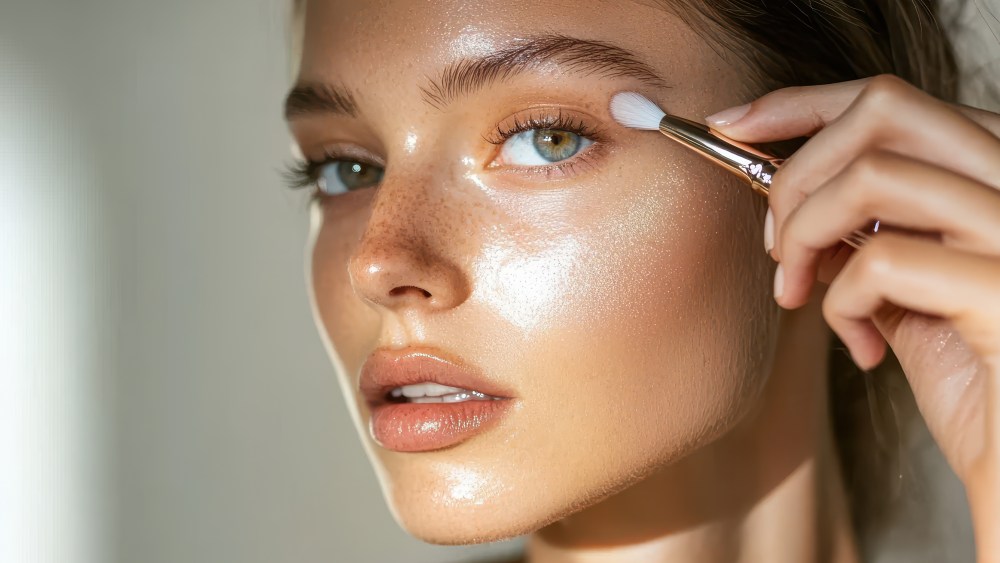
It’s not just models and social media influencers who are looking to (literally) glow. Illuminating makeup has sparked more than a few trends in recent years including glazed-doughnut skin, dolphin skin and glass skin, providing amplified momentum for brands with products in the highlighter category.
According to market data and analytics firm YipitData, the highlighter beauty category has continued to perform in 2023 and 2024, gaining popularity among makeup lovers and even attracting new audiences as the category begins to settle down. Still, recent fashion shows have also reaffirmed the look’s staying power with a noticeable uptick in the use of highlighter for luminous finishes on the runway. Meghan Markle’s makeup artist also recently shared that he uses Live Tinted’s highlighter to enhance her dewy glow.
Related Articles
Importantly, as the conversation has moved from social media to these larger mediums, YipitData’s data shows a notable shift in consumer demographics shopping for products within the highlighter category with growing adoption across broader age groups, signaling maturation and wider appeal overall.
As a result, highlighter has evolved from a youth-driven trend into a cross-generational staple. Millennials continue to lead spending but are not the only key drivers. While Gen Z was certainly strong early on, the generation has lost its share as older cohorts — especially ages 45 to 54 — picks up momentum.

Still, as highlighters continue to play a key role, maintaining momentum has proven challenging.
As the category matures, YipitData’s data shows that recent changes in the market and shifting brand dominance are largely reflected in consumer preference as they try out new formats from brands entering and growing in the space.
For example, a broader trend is seen with consumers moving away from traditional liquid highlighters and gravitating toward illuminators that offer flexibility, skincare benefits and a natural radiant finish. To that end, the company’s data finds that skincare-focused brands have succeeded in navigating the trends.
This is seen especially as Saie joins Charlotte Tilbury as brands tied for the most SKUs in the top 20 products. Charlotte Tilbury’s Mini Filmstar Bronze & Glow Contour Duo powder recently fell off the list of top 20 SKUs while the brand’s Hollywood Flawless Filter illuminator and liquid Beauty Highlighter Want remain as top performers.
YipitData’s findings show that highlighter grew at exponential levels in 2023 and the first half of 2024, with Sephora and Amazon quickly seeing the benefits of the emerging trend. However, year-to-date, growth is down double digits across Sephora, Amazon and Ulta.
Holding up the highlighter trend are clean makeup brands, which now hold nearly 20 percent market share in the category at Sephora, according to YipitData. Saie emerged as the leading brand with its Glowy Super Gel Lightweight Dewy Multipurpose Illuminator, most popular in the Sunglow shade.
Rare Beauty and Charlotte Tilbury come in as the second and third most popular brands in the highlighter category at Sephora with One/Size starting to gain traction in February and March 2025. One/Size’s B12 Base Thinner Serum captured approximately three percent of the market share during that time.
Ulta’s most notable emerging brand in the highlighter space is Dibs Beauty, which now holds approximately two percent of the highlighter category for the retailer. Amazon’s highlighter category is ruled by mass brands, however, prestige brands, including Saie, are beginning to gain meaningful share.
In addition to clean beauty brands leading the category, mini sizes carry a lot of weight in the highlighter category. One in every five dollars spent on highlighters at Sephora is spent on minis.
YipitData’s data analysts said that minis importantly represent a strategic product tier citing affordability, convenience and the freedom to experiment with new products as top reasons consumers are flocking to this size. Minis are an opportunity, they said, for brands to drive trial and discovery while catering to value-conscious consumers.
In contrast, many consumers are finding highlighters and preferred brands and sticking with them – especially premium brands. In YipitData’s findings, Dior leads in highlighter loyalty at Sephora with the highest repeat purchase rate at 11.2 percent, followed by Charlotte Tilbury and Saie. In contrast, the company’s data shows that value-oriented and celebrity-driven brands see lower repeat rates, suggesting more one-time trial purchasing behavior.
With no signs of waning desire for glowing makeup looks, the highlighter category may have also sparked shoppers to “build a full face” at retailers. In 2024, data showed that Sephora highlighter shoppers frequently cross-shopped other complexion products like blush, concealer and foundation. YipitData’s analysts noted that this behavior highlights strong category attachment. A strong attachment to lip and eye categories from these consumers further signaled that these are highly engaged beauty enthusiasts, curating complete, glowy looks rather than buying in isolation.
To learn more, visit yipitdata.com