
At a time when consumers are more knowledgeable than ever, shoppers are making research of companies’ values a standard part of their shopping journey. Consumers today want to make informed decisions and to support them, The Natural Diamond Council has committed to providing information transparently.
According to The Natural Diamond Council, myths and misconceptions continue to perpetuate the diamond industry. And while David Kellie, chief executive officer of The Natural Diamond Council, says that “the modern diamond industry is not perfect, and of course has challenges and areas of improvement,” he also goes on to say there is the strength behind the industry that is being used to address opportunities and challenges.
Related Articles
“The diamond industry supports the livelihoods of 10 million people across the world, helping to provide better access to funding to contribute to solving some of the world’s biggest challenges,” Kellie said. “The industry is also pursuing land protection and rehabilitation across continents with fervor.”
You May Also Like
In its report, the council seeks to correct misconceptions and answer questions about the industry to “enhance trust and allow consumers to make informed decisions.”
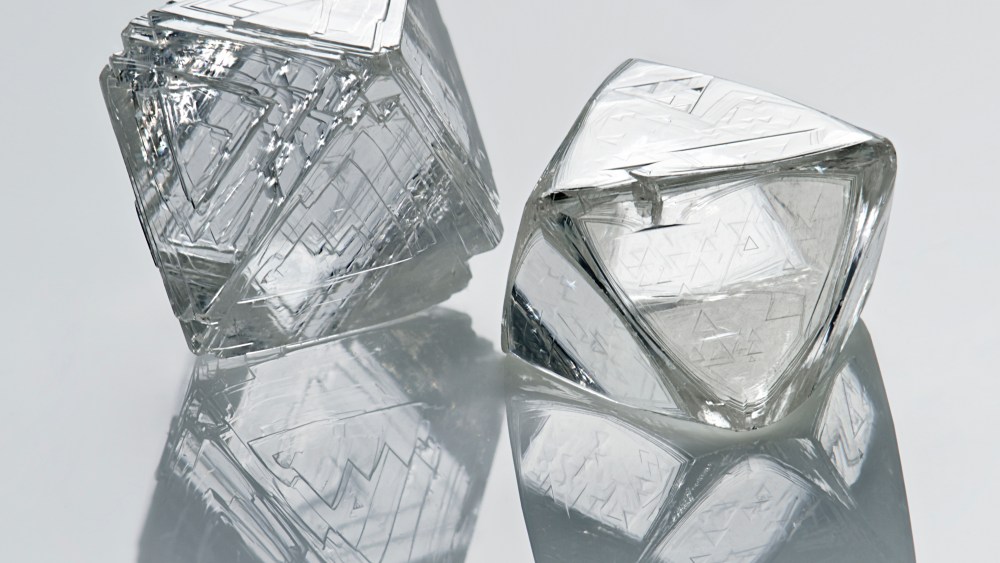
Key findings in the report include points of comparison between natural and lab-grown diamonds. The authors of the report clarify that lab-grown diamonds can be detected from natural diamonds because lab-grown diamonds are mass-produced in a matter of weeks and exhibit notable features and patterns. These features can be detected using professional verification instruments.
At the same time, given the process of natural diamond formation, The Natural Diamond Council says they are inherently rare and a finite natural resource. Natural diamonds also help protect the biodiversity over an area equivalent to New York City, Chicago, Washington, D.C., and Las Vegas combined. Globally, this is close to four times the land used by Natural Diamond Council member companies for diamond recovery.
Moreover, the findings show that not all lab-grown diamonds are sustainable. More than 60 percent of lab-grown diamonds are mass-produced in China and India where, the authors say, 63 percent and 74 percent of grid electricity comes from coal.
Lab-grown diamonds have also seen a price depreciation in recent years — falling 74 percent from 2016 to 2023, on average. Natural diamonds have risen by 3 percent yearly.
Ethical sourcing continues to be a priority for the natural diamond industry. Notably, The Natural Diamond Council points out that brands, retailers and jewelers are “increasingly implementing ethical sourcing protocols and policies bringing transparency into their supply chains.”