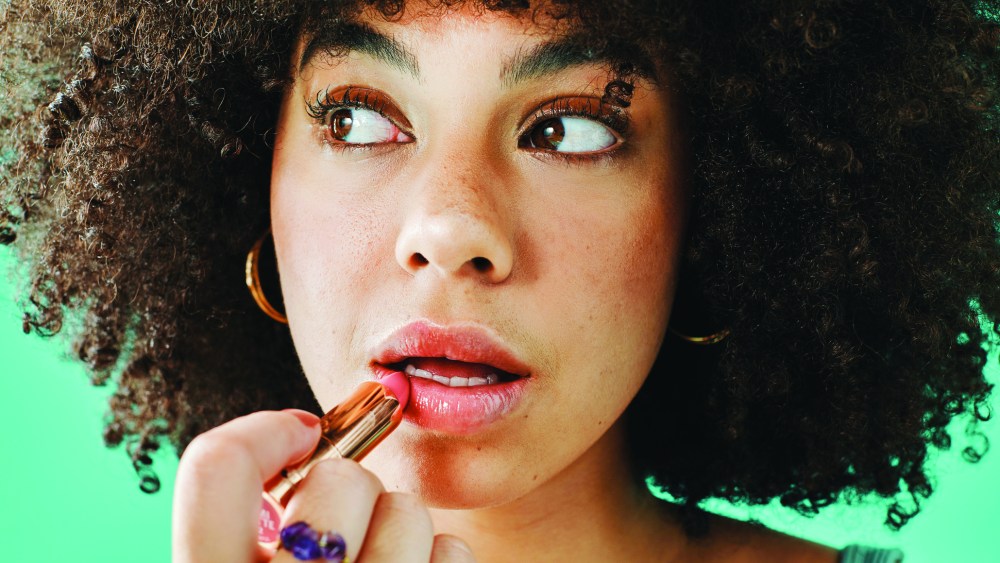
In the dynamic world of beauty and wellness, the old rules of marketing and consumer engagement no longer apply. Economic uncertainties and shifting consumer behaviors have forced brands to rethink their strategies, with the most successful ones turning their attention to a new, influential demographic: Gen Z and the even younger Gen A.
According to Jamie Elden, chief revenue officer of Listrak, a leader in digital marketing, a seismic shift is underway, one that demands a new approach centered on authenticity, personalization, education and immersive experiences.
Related Articles
“What we’re seeing is this resurgence of Gen A and Gen Z in the beauty and in the wellness space,” Elden said, citing data that reveals a profound change in the market. The first half of the year saw brands in the beauty and wellness sectors pull back, cautious in the face of economic headwinds such as tariffs and a “price-conditioned consumer now looking for value.”
You May Also Like
But as the year progressed, confidence returned, driven in part by the power of these digitally native generations.
Elden said the impact is not just anecdotal: Gen Z and Gen A, defined as consumers 15 years or younger, are driving up to 40 percent of skin care revenue for retailers such as Bluemercury, Sephora and Ulta. Moreover, their average order value is “double that of other demographics,” underscoring their economic power and willingness to invest in their well-being.
Beauty Becomes A Social and Immersive Experience
The behavior of these younger generational cohorts is a stark departure from the past. For them, beauty and wellness are not just solitary routines; they are social and immersive experiences. “A lot of the purchasing through Gen A and Gen Z was also built around events, meaning, sleepovers, parties, having a mask event or a beauty evening,” Elden explained. This collective experience, a “movement” as he calls it, is deeply intertwined with social media. They go shopping as a group, research products together, and then share their experiences online, filming and posting in the moment. Their preferred channel for communication? “Definitely SMS,” Elden said.
This public sharing extends to the most personal aspects of their routines.
“The generations, specifically Gen Z, are very happy to share openly, transparently, and honestly, what’s working and what isn’t for them,” Elden noted. This is a complete reversal from just five years ago, when social media was a carefully curated highlight reel of “perfect makeup” and “perfect skin.” Now, the trend is toward transparency. “They’re kind of like, ‘Hey, you know, I’m spotty, or I have these issues. Look at me, I’ve tried this. It’s not working. Help me.’”
Elden said this vulnerability fosters a sense of community, with peers offering positive reinforcement and product recommendations.
How Brands Can Adapt

For brands, this shift presents a golden opportunity — if they can adapt. The old model of a “50-second preroll” commercial is obsolete. “That does not work anymore,” Elden said. The new currency is content, education and genuine engagement. Brands must become part of the social conversation. This is where “strategically placed micro-influencers” come in, offering advice on behalf of a brand in a way that feels organic and authentic. Leading brands such as E.l.f., Tarte, Sol de Janeiro and Alastin have mastered this approach.
“They all understand how to talk to this generation and where that generation is,” Elden said. He praises brands that use social media to guide their product development, and others that use platforms like TikTok to educate their young audience. Peter Thomas Roth and Alastin, for example, recommend young consumers avoid using harsh antiaging ingredients, instead advising them to start with “good SPF and a natural SPF.” This educational, purposeful content is a key driver of growth.
Elden emphasizes that “an ad is not, does not sell to this generation on any format, on any channel anymore.” This is true not just for girls but for boys as well. The rise of male grooming and wellness is a new economic force. “A 12-13-year-old boy is probably spending the same now as a 12-13-year-old girl who’s entering into wellness and beauty and skincare,” he said. The battle against acne has become “a common topic of conversation around skincare with boys online.”
While brands must adapt to these new behaviors, a more pervasive challenge has also emerged: “dupes.” The duplication of luxury goods, once a minor issue, now represents a “10 to 15 percent impact now on that luxury market sector.” For beauty and wellness, the stakes are even higher. “It’s stuff you’re putting on your skin,” Elden warns. These counterfeit products, often sold on platforms like TikTok Shop, can look “so real, they seem authentic,” but can cause “skin irritation, and other problems” for unsuspecting young consumers.
The solution to these challenges, Elden said, lies in a complete overhaul of marketing strategy. Brands must move toward hyper-personalization and one-to-one communication. This means pulling together data from a customer’s website visits, social media engagement and in-store purchases to create a cohesive profile. Elden provided a real-life example of this seamless omni-channel marketing: a customer who looks at a product online, then visits a store, where a salesperson can see their online browsing history and offer a free tester.
Elden believes the future of marketing is not just about getting the right product to the consumer at the right time, but also providing them with the right information. This is where AI plays a crucial role. AI can pull educational content from a brand’s website and social media and include it in a personalized message.
“Now it’s not only that we identify what products they’re interested in, we’re giving them useful guidelines on the best way to use these products as well,” he says. It’s through this personalization that Listrak is seeing a “70-plus percent increase in revenue cross channel from our retailers and brands.”
Taking a Person-first Approach
In the end, Elden’s message is clear: the modern consumer is in control. They demand authenticity, transparency and a personalized experience.
“When people visit your website, they’re going there with something specific in mind,” he said. “What you need to do as a brand or retailer is to identify that, look at the data, listen and then take that back to the customer. The brands that listen, learn and adapt to this new era of communication are the ones that will thrive.”