
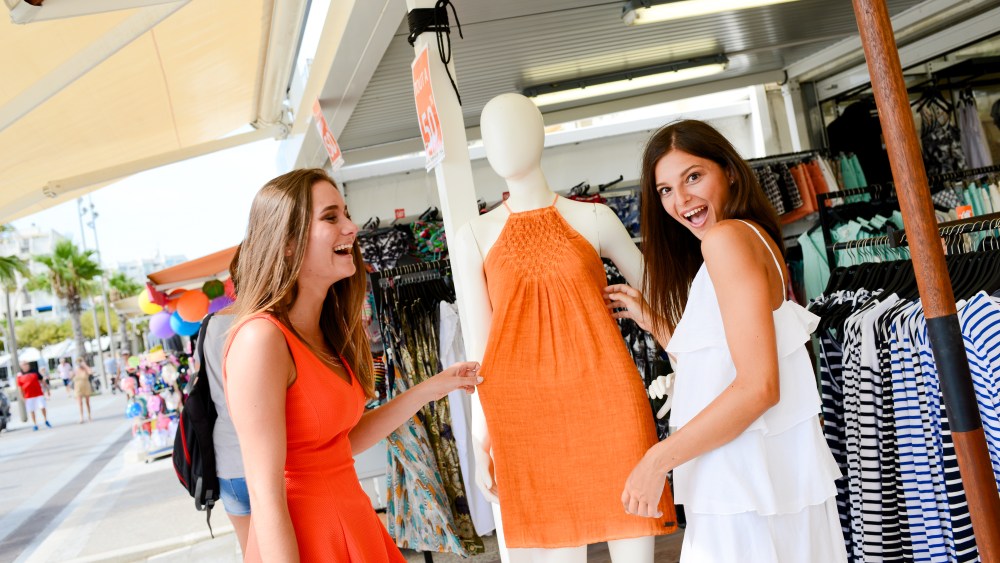
Now that it’s officially summer, this is a great time for small businesses that specialize in apparel, footwear and accessories to drive traffic in-stores as well as online. And even as consumers are spending more on travel and experiences during the summer months, it doesn’t mean they’re not open to buying apparel.
Main Street retailers just need to try a few strategies to get shoppers in the mood to buy while also taking a consumer-centric approach.
One key approach is to take a cue from the big brands. Whether it is Nordstrom, Saks Fifth Avenue or Macy’s, large chain stores have positioned themselves in-store and online for the summer season by curating a seasonal collection that is designed to woo shoppers. Their merchandising strategy is to inspire customers with fashion ideas for the resort, the beach, and a night out on the town.
Related Articles
Small businesses can do the same.
You May Also Like
While smaller-sized shops may not have the square footage to showcase a broad seasonal collection, they can present fashion-forward inspirations if it aligns with current trends while also adhering to core tenants of the season such as offering lightweight fabrics and breathable designs. And if the business is lucky to be located at a destination or a resort, the merchandise mix should reflect the activities offered in the area. Meaning, if there’s swimming or hiking nearby, carry apparel and accessories for those activities.
To drive foot traffic, consider offering workshops or styling sessions. Or even a fashion show. And make sure these events are pushed out on social channels, which will not only attract shoppers to a physical store but can drive online conversions too. Consumers also want to discover new things, so rotating merchandise collections and freshening up storefronts can help. It’s also important to create a memorable in-store shopping experience. This includes seasonal decorations, having friendly and helpful sales associates, and playing upbeat music.
The bottom line is to position your business in a consumer-centric way.
“Over the past 20 years, customer experiences have become increasingly personalized,” noted authors of a recent Edited report titled, “Five Steps to Becoming a Customer-centric Merchandiser.”
The report stated that technology is enabling personalization at various levels, “from single digital interactions to orchestrating marketing and digital experiences across all touchpoints so that every customer interaction can be informed by a customer’s potential value, recency, frequency, and other relevant attributes.”
However, the report’s authors said that merchandising decisions “have traditionally been blunt and broadcast. This includes decisions about the product range, size ratios, allocation and promotions.” Edited said in the report that these decisions “may have been loosely influenced by customer feedback, but they have largely been made from a product-centric perspective and applied to the entire customer base based on the notion of an average customer.”
As a result, sales, profits and average lifetime customer value is negatively impacted. Instead, taking a consumer-centric approach can drive sales and profits in-store and online. But it requires investing in technology and leveraging data.
The Edited researchers said it also requires rethinking product, store and sales decisions. With products, merchandisers need to use customer-segmented data to determine product types, colors and sizes, as well as quantities. Retailers can also use recommendation algorithms and search and merchandising algorithms to help inform where to allocate products in-store and online.
And with sales, merchants can use various technologies to help with pricing, promotion and markdowns.