Elix is gearing up to release its annual State of Menstrual Health Report, which emphasizes the persistence of cycle-based symptoms.
Each year, the traditional Chinese medicine menstrual wellness brand releases an expansive report made up of findings from its 50-plus question user survey. This year’s report includes data from 115,775 respondents who took the survey throughout 2022. Since the respondents are brought in via Elix’s site, they can be identified as people actively seeking out period-focused solutions.
Related Articles

For Elix founder Lulu Ge, the annual report showcases the need for menstrual-specific solutions and research within the category.
“When we started talking to investors in 2019 and 2020, the number-one question and pushback I got was about the size of market,” she said. “We see through the data — this report, prior years and new research coming out — menstrual health and these chronic conditions and symptoms related to it affect, I would say, the largest minority population that exists.”
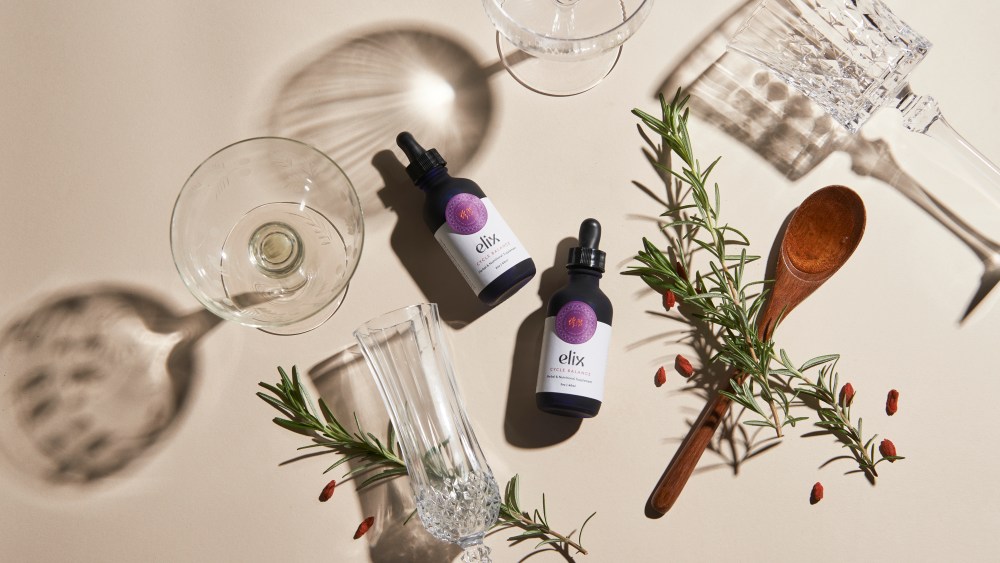
Ge is aiming to address this market opportunity with Cycle Balance, $38, a personalized tincture of herbs to ease symptoms and treat imbalances. The brand also recently launched one-on-one health coaching to address the lack of cycle education.
This year’s report shows that the majority of this population is experiencing symptoms, most notably pain. On a scale of one to 10, more than 80 percent of respondents said their pain was a five or more, 67 percent said seven or more and 30 percent of people with the highest levels of pain don’t have a solution.
The data also shows that birth control, which is often prescribed to manage pain and other major symptoms, may not be efficacious on its own, emphasizing the need for additional solutions — 83 percent of respondents not on birth control experience pain of five or more, while 81 percent on birth control experience the same level of pain.
“Each year, we just see how prevalent the issue is and how much additional research funding and solutions people are really looking for,” Ge told Beauty Inc.
Aside from pain, respondents cited more chronic conditions than in the past. Premenstrual dysphoric disorder (PMDD) was up five percent, polycystic ovary syndrome (PCOS) was up 3 percent and nausea increased 4 percent year-over-year. Ge hypothesized that this increase was due to the growing awareness and open conversations — most notably, the PCOS hashtag on TikTok has nearly 6 billion views. Due to this growth, Elix is designing future clinical trials that will revolve around chronic conditions, starting with PCOS.
Elix’s report will purposely be released on National Stress Awareness Day on April 16, as the findings also emphasize the correlation between stress and more severe symptoms, including heavier flow, increased cramping, heavier clotting and increased fatigue.
To put the findings to use, Elix is working with its 500-plus ambassadors, including acupuncturists, nutritionists and herbalists, to create educational content and employ the information into their practices.
Key findings
- The majority of people experience cycle-related symptoms, most notably extreme pain, and many haven’t found an efficacious solution.
- Stress increases the severity of cycle-related symptoms.
- Those using birth control are still experiencing high levels of pain and are seeking out additional solutions.
- More people reported chronic conditions, like PCOS and endometriosis.