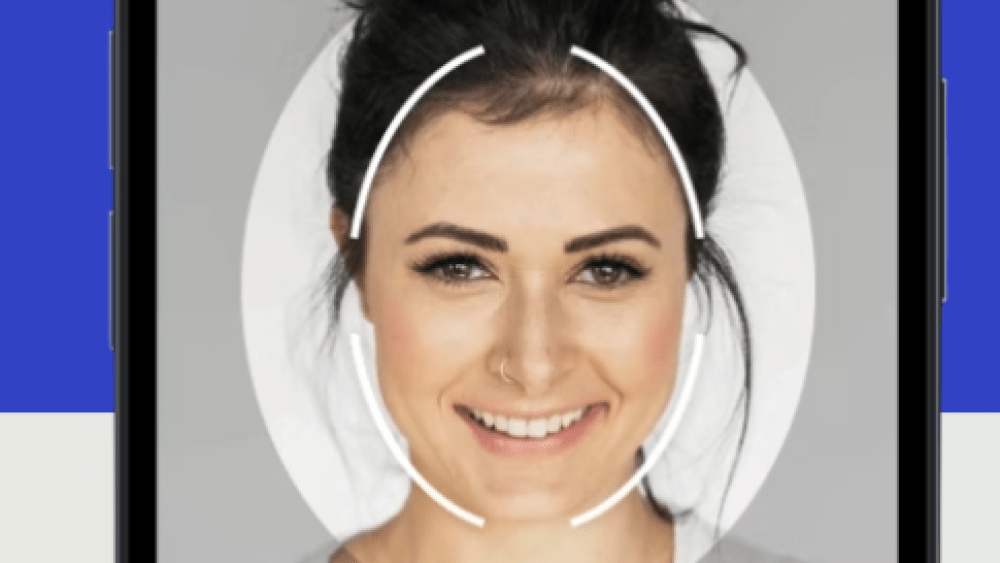
Somavedic, known for its electromagnetic field blocking device, on Tuesday launched an app called Attune Health that allows users to track their personal wellness data.
While wearables have become increasingly popular for tracking things like sleep and heart rate, Somavedic chose to harness the power of phones instead, making it more convenient and more affordable for users.
“Everybody has [a phone] and they don’t need to go somewhere or buy some hardware,” said Somavedic chief executive officer Juraj Kocar. However, Kocar noted the benefit of several wearables, like the Oura ring, for more specific variables.
Related Articles

The app uses remote photoplethysmographic imaging to extract wellness data without contact. According to the brand, “it measures the changes in red, green and blue light reflected from the skin and quantifies the contrast between specular reflection and diffused reflection.”
Wellness apps have become increasingly popular as consumers seek affordable and convenient ways to track different aspects of their health. A survey from McKinsey & Co. reported that 64 percent of respondents use a wellness app daily. The firm also cites wellness-related apps as a key opportunity for larger businesses and corporations to harness.
The new app allows users to measure and track several wellness markers including blood pressure, heart rate, heart rate variability, oxygen saturation, breathing rate, sympathetic stress, parasympathetic activity, pulse-respiration quotient, hemoglobin and hemoglobin A1C.
While the app allows users to easily understand their own health and provides suggestions based on their current state, the platform is designed to also be used in conjunction with health care providers.
“In the medical space, telemedicine and insurance companies, it will be linked to or built upon with partnerships with health centers and doctors,” said Kocar, making it easier and faster for health care providers to track patients’ data and progress.
Furthermore, Kocar expects the app to be an educational platform for consumers to learn more about their own health and become familiar with routine diagnostics to track their data overtime.
“When people could be scared of visiting a doctor or putting on a device and they would not know that they have high blood pressure or hemoglobin problems…we want to educate on how important it is to keep the stress levels low, to have a normal blood pressure,” Kocar told WWD. “It’s about doing preventive things before.”