
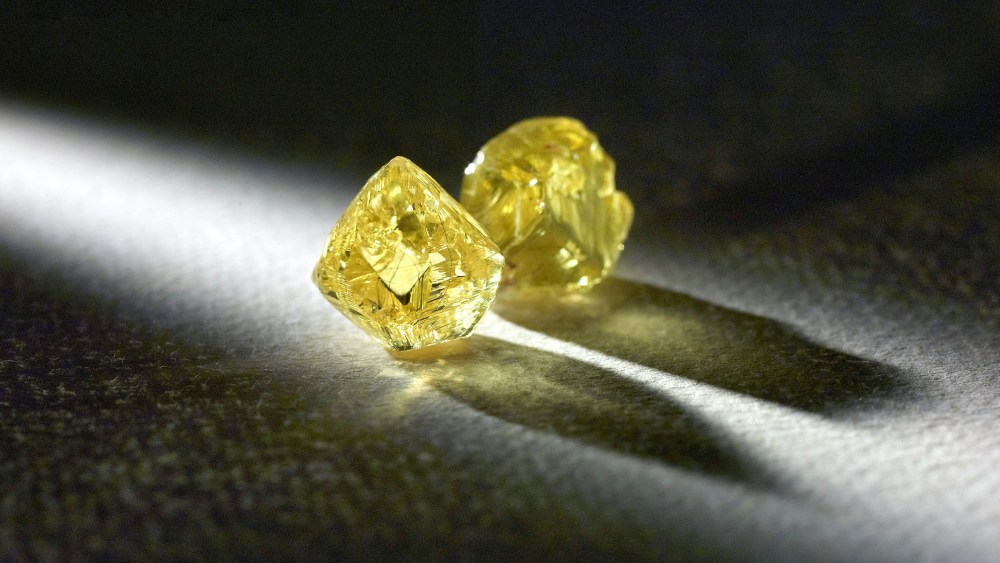
PARIS — Diamond trading company Andre Messika Ltd on Monday unveiled CarbonVero, a disclosure tool meant to calculate the carbon footprint of individual natural diamonds.
The announcement was made at the “Diamond Transformation, Environmental & Social Impact Across the Diamond Industry” panel organized by the Natural Diamond Council in Paris that included Watch & Jewellery Initiative 2030 executive director Iris Van der Veken, Kering’s chief sustainability and institutional affairs officer Marie-Claire Daveu, global sustainability consultancy Eco Age co-founder and creative director Livia Firth and other diamond industry executives.
Related Articles
Created in partnership with industry solutions provider Sarine Technologies, with the initial measurements conducted by environmental consultancy The Carbon Trust, the tool and service is designed to measure greenhouse gas emissions and energy consumption throughout the mined diamond manufacturing chain.
You May Also Like
Sarine’s traceability solution will provide manufacturers and consumer brands with data and measurements throughout the process, from mine to polishing. Further tracing from the factory to the end consumer can also be included, the partners added.
Each cut and polished stone, from 0.25 carat upwards, will come with a blockchain-based certificate.
The diamond trading company, a member of the Responsible Jewellery Council and the Watch & Jewellery Initiative 2030, said it would apply the solution to all its Namibian diamonds going forward.
Data from its Namibian factory processes and rough diamond supply from the Namibia Diamond Trading Company, part of the De Beers group, were used as the initial benchmark for CarbonVero’s launch.
A finding highlighted at the launch is that the energy required to transform a rough rock in the 2-to-4 carat range into a 1.2 carat round brilliant-cut diamond is equivalent to 33 dishwasher cycles.
For the diamond trading company’s chairman André Messika, “tracing the carbon impact per diamond from origin to consumer” was the logical next step in a trajectory of traceability programs and diamond provenance traceability initiated five years ago.
Carbon Trust said that while various types of footprinting were undertaken by a number of organizations across a range of sectors, “this project represents an important first step for a diamond manufacturer to understand how to account for the emissions associated with diamonds.”
The organization added it had worked with the diamond trading company “to measure the carbon footprint of diamonds across three broad size groupings, which has the potential to inform the attribution of emissions at a per diamond level in the future.”
“Calculating a carbon footprint is an essential starting point to better understand where the material carbon impact lies in the manufacturing process for a diamond, and it also provides the baseline needed to set targets for emissions reduction and implement an effective sustainability and carbon reduction strategy,” the Carbon Trust continued.
Sarine’s chief executive officer David Block said his company has committed to “deliver this data with the highest level of assurance, enabling the industry to offer sustainable products and ensure a promising future.”
He said the new technology would provide “crucial information about the energy emitted during the diamond processes, from mining through the entire manufacturing process.”
Editor’s note: The story has been updated due to previously inaccurate information provided regarding the Carbon Trust.