Warehouses are filling up with goods as Brits attempt to stockpile against the threat of an exit from the EU without a free trade agreement in place—and fashion firms are among those bracing for a logistical nightmare.
As Brexit instability reached new peaks last week, three different members of the Cabinet tendered their resignation and critics questioned whether Theresa May would last the month. The cause of all this chaos? May releasing her plan for leaving the EU, which has the dubious accolade of displeasing almost everyone.
May’s Brexit plan is a lot softer than many people expected—and nobody is happy. Remainers say it is an entirely pointless exercise, leaving the nation greatly devalued on the world stage for no reason, while Leavers believe it offers only a bastardized form of Brexit, turning the U.K. into rule-takers rather than rule-makers. This universal distaste for her blueprint—at a time in negotiations when it is simply too late to try again—has increased the possibility of a no-deal Brexit, as parliament could well vote May’s plan down.
Related Stories
An exit from the EU without a deal would be catastrophic for the U.K. economy, and would irrevocably harm the future of the British fashion industry. A no-deal Brexit means Britain will resort to World Trade Organization rules from March next year, which will lead to months of export and import chaos. There will be delays to the supply chain and ports and airports will need to be entirely updated.
“The World Trade Organization defines how countries trade outside of specific trade deals and Britain would be subject to these terms, albeit on an unformalized basis,” said Tamara Cincik of fashion advocacy group Fashion Roundtable. “Our application to fast track our application onto WTO terms was rejected only recently which means fashion brands will have major difficulties importing any goods into the U.K.—no matter where they were made.”
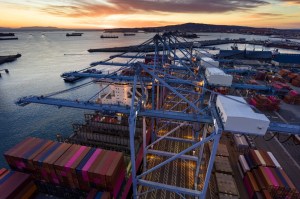
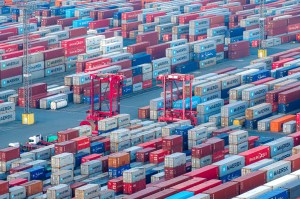
Britain is running out of warehousing space as retailers rush to fill them with goods in the event of no-deal. And while stockpiling food and medicine is more urgent than clothing, brands are under pressure too.
Three quarters of materials used in the U.K. are imported. If there is no deal, U.K. manufacturers will be subject to a terrifying array of tariffs. Because there aren’t any cotton fields in Hampshire and only a handful of factories in the entire country, brands are banking up their stocks of raw material and finished product for a worst-case scenario come March.
“Manufacturers will face reams of paperwork for each component part,” said Anna Tobin of Ready for Brexit, a group of import/export experts focused on this topic. “Plus, there are possible technical barriers to trade—if a country decides a British clothing firm’s standards aren’t high enough, it could be barred and that takes months to solve. Then there’s the possible port queues delaying shipments, new VAT rules that mean importers will have to pay their 20 percent upfront, and potential delays at immigration for foreign buyers.
“Business that’s done unthinkingly now—shipping in cloth from Italian mills, sourcing components from China, Turkey and India, transporting finished clothes and models over to Paris or Milan for the shows, and product lines into stores in Europe—will entail many more additional steps. It will be a logistical nightmare. And that’s why brands are trying to plan ahead.”
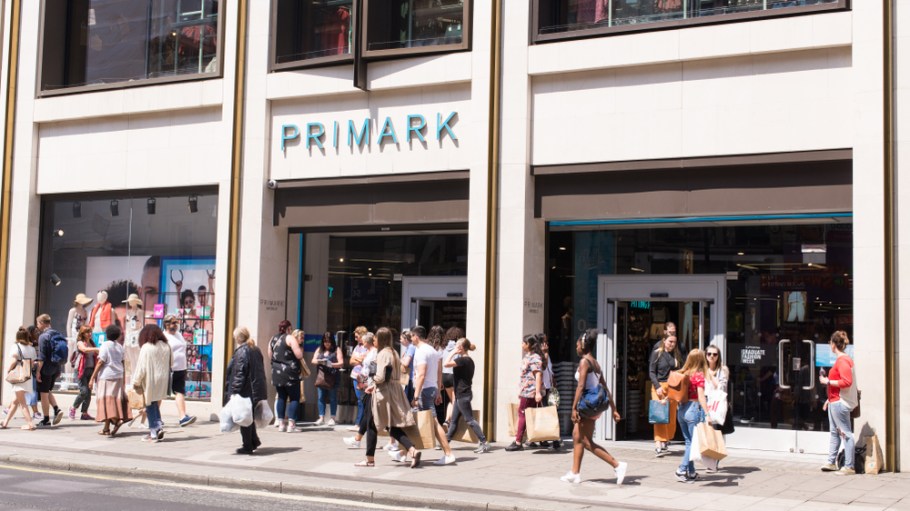
One such company is ABF, which operates five businesses, including fast-fashion brand Primark, and which has been stockpiling goods in the north of England. Another is Next. The high street chain—led by chief executive Lord Wolfson—said it was “well advanced” in its preparations in case a free-trade agreement is not in place by next March.
In a press conference, Wolfson warned that the biggest risk to the business was the likelihood of queues and delays at U.K. and EU ports, while it added that a sharp fall in the value of the pound and increased tariffs also posed a threat.
He said in the “unlikely event” that free-trade agreements were not put in place by March, it could send the cost of goods soaring by up to around 20 million pounds ($25.6 million), which would add less than 0.5 percent to its prices.
To plan ahead, the retail giant has been stockpiling some goods in its Irish warehouses, which will be safe to travel to the U.K. in the event of no deal, thanks to the Common Travel Agreement between the two countries. However, given the rapidity of the fashion calendar and the speed at which trends change and collections are updated, even the best prepared brands cannot stockpile for more than a few months.
Wolfson went on to say that there are “significant challenges” in preparing for a no-deal scenario but said the risks do not pose a “material threat to the ongoing operations and profitability of Next’s business here in the U.K. or to our £190 million [$243 million] turnover business in the EU.”
Whether that is wishful thinking remains to be seen. Other fashion retailers have yet to publish their stockpiling plans—but if May’s deal fails to pass through Parliament in the next few weeks, warehouse managers are set to have a busy Christmas.