In the face of crumbling economies, geopolitical tensions, surreal headlines and an increasingly complicated love-hate relationship with artificial intelligence, consumers may find themselves at a breaking point in 2026. And when they finally crack, expect an explosion of absurdity.
“Anything serious is out, anything unserious is in,” according to WGSN.
The global consumer trend forecasting firm released its forecast for 2026 and beyond, revealing how this macro trend for ridiculousness will influence every corner of culture—from fashion and beauty to lifestyle and entertainment.
Related Stories
Unserious is a macro trend that brings everything into “subversive, irreverent, and laugh-out-loud territory,” WGSN stated. The theme is an evolution of Glimmers, a macro trend from WGSN’s Future Consumer 2026 forecast that examines the coping tool for consumers as the world faces multiple crises.
“In a world of overwhelming stress and tension, consumers are seeking powerful tools for emotional release and moments of self-care,” said Lisa White, WGSN’s director of strategic forecasting and creative direction.
In fashion, this desire for bold ideas will culminate in a gold renaissance. During uncertain times, Lorna Hall, WGSN content director, fashion, said gold offers stability and status.
While “going for gold” will be top of mind for many industries preparing for the 2028 Summer Olympics in Los Angeles, the precious metal is “ascending as opulence emerges out of the growing influence of ’80s status dressing and vintage styling,” Hall said. Spring/Summer 2026 runway shows by Versace, Saint Laurent and Valentino emphasized the decade’s maximalism through color blocking and strong shoulders.

“Expect bold gold jewelry to add high-octane glamour to the most casual looks. Layering in a touch of lamé via scarves, bags, and footwear will update multiple outfits,” Hall added.
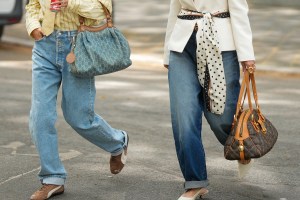
Uncertainty is also driving the demand for protective fashion. Hall said anti-theft features are appearing on accessories and apparel. The best examples are discrete and don’t sacrifice the design.
“Designed-in deterrents are the new smart signature of value, with this trend shifting beyond the travel bag to everyday accessories and clothing,” she said. “Think button shoulder straps on coats and jackets that safeguard your handbag, invisible inner or anti-slash and RFID-blocking pockets with tunnel-locked zippers, and beautiful branded carabiner clips to secure your bag to chairs and tables, all to provide protection and boost our confidence on our commutes.”
Beauty is going experimental. PDRN (polydeoxyribonucleotide), an ingredient made from salmon sperm, is forecasted to go mainstream in 2026. While it’s already a part of the arsenal of remedies used by professional clinics and K-beauty brands, Clare Varga, WGSN’s VP content, said PDRN’s “potent collagen-boosting and repair credentials” will deliver “clinic-grade results in at-home formats such as sheet masks, eye creams, and hair ampoules.”
Varga noted that vegan PDRN alternatives are also being bioengineered.
Sculpting and toning solutions that mimic the benefits of injectables are also gaining traction. Bodycare that lifts and skincare that sculpts—powered by actives, adaptogens and tools—are especially important as GLP-1 drugs affect skin elasticity.
“With skin laxity in the spotlight, consumers will increasingly seek alternatives that protect and support the skin during weight changes or help them achieve their desired aesthetic without medication. These futures offer a more holistic path forward rooted in self-care,” Vagra said.
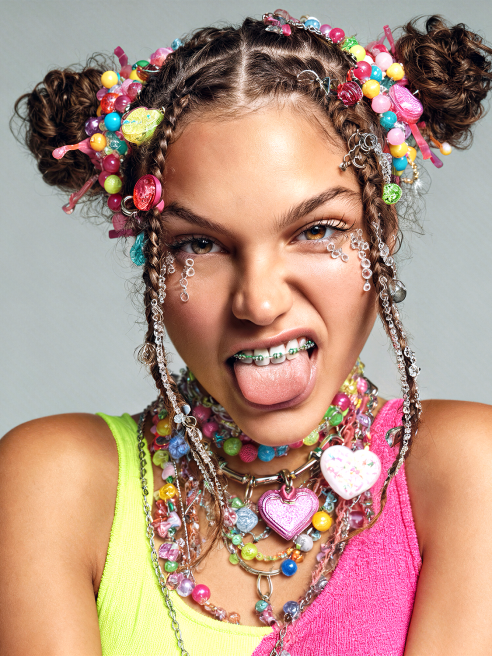
Kawaii, the Japanese aesthetic that emphasizes cuteness and childlike innocence through charms, characters and colors, is bringing an unserious vibe to technology in the West. Lisa Yong, WGSN content director, consumer technology, said the “mood-boosting” theme brings novel appeal for brand storytelling in retail and product experiences.
“Cute Tech will evolve beyond aesthetics or functionality into powerful engagement strategies for tech experiences that priorities emotional wellness and spark joy and imagination, ultimately fostering happiness in the business of cultivating it,” she said, adding that it promotes “warmth, comfort and emotional connections.”
Likewise, think cute for interiors, food and beverages. Taking cues from miniature dollhouses, WGSN anticipates “bite-sized and cost-friendly indulgences” to satiate consumers’ hunger for escapism and fun.
“From mystery boxes that deliver a buzz via unboxing a surprise toy to DIY craft projects that foster self-expression or drawing on nostalgia to transport ‘kidults’ back to their (real or imagined) childhoods, these little wonders are small in size but huge in terms of ROJ (return on joy),” WGSN stated.
However, don’t expect consumers to gloat about their unserious experiences and products. Despite Gen Z’s war against gatekeeping information, WGSN said consumers mindsets are shifting back to exclusivity.
“Exclusivity is the new social currency, with brands fostering closed communities through locked Reels, broadcast channels and invite-only groups. Protecting cultural capital will be as important as creating it. In 2026, if someone asks which concealer you use, you just might not tell them,” said Joe McDonnell, WGSN’s content director, insight.
Additionally, more consumers will be logging off—if their lifestyle permits the luxury. McDonnell said people who can disconnect without sacrificing their career or social standing will view it as a status symbol.
“With nearly half of young adults stating that online life harms their wellbeing, brands can design digital detox experiences, boredom-positive spaces, and offline sanctuaries that spark creativity and presence,” he said. “Going on vacation without sharing a single Instagram reel? You’re now the king of cool.”