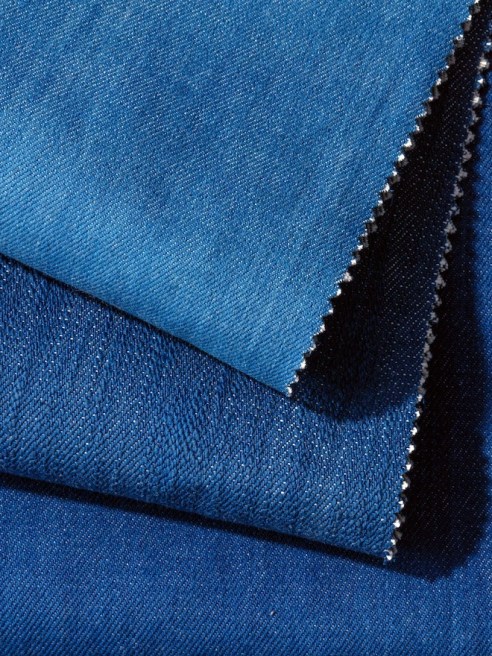
As sustainability becomes less of a want and more of a need for consumers, the fashion industry is exploring innovative ways to enhance its eco-friendly practices and find alternatives to conventional materials. The denim sector in particular is leading this shift, with Panther Denim playing a key role.
Since 1986, Panther Denim has been committed to producing stylish denim that balances sustainability and comfort. Now, nearly 40 years later, the China-based manufacturer continues to uphold this mission with its latest innovation, Planet Indigo.
Related Stories
This week, Panther Denim will introduce Planet Indigo at Kingpins Amsterdam, a collection offering a sustainable alternative to conventional denim. Developed in partnership with Shuise Dyeing House, this project combines traditional dyeing techniques with modern sustainability practices to engage both consumers and denim communities, according to Tim Huesemann, sales director at Panther Denim.
Shuise Dyeing House, established in 2010 in Nantong, China, plays a crucial role in preserving local dyeing traditions. Its expertise in dye resources and techniques, particularly its revival of the native Nantong indigo plant through the Wu Indigo Comes Back Home project, reflects a deep commitment to both culture and environmental sustainability, Huesemann added.
“Planet Indigo is designed as an ethical and sustainable denim option, utilizing dye extraction techniques that are part of China’s intangible cultural heritage,” he said. “This collaboration with Shuise Dyeing House illustrates the intersection of heritage and technology, showcasing how traditional methods can address global sustainability challenges. Such partnerships foster innovative solutions and contribute to the long-term transformation of the textile industry.”
Indigo’s history
Indigo dyeing is a practice with deep historical roots, intertwining art and science across multiple disciplines.
In fact, natural indigo has been used for thousands of years, with its cultural significance evident in various myths and traditions. China has a long history of plant dyeing, from the Paleolithic Age to the sophisticated dyeing departments established in the Zhou, Qin, Tang, Song, Ming and Qing Dynasties, Huesemann explained. The term “藍 lán,” or blue in English, refers to the dye plant cultivated in China for over 4,000 years, and ancient texts like “The Book of Songs” highlight its deep cultural integration.
“Historically, indigo dye was a cornerstone of textile coloration until synthetic dyes began to dominate,” Huesemann said. “Although synthetic dyes offered convenience, they also contributed to significant environmental pollution. As awareness of these environmental impacts grows, there is a renewed interest in natural dyes, including indigo, for their lower ecological footprint and aesthetic value.”
Planet Indigo aligns with this shift by focusing on natural indigo and sustainable production processes. This approach not only reduces water contamination and energy consumption but also minimizes other pollutants associated with synthetic dyes. By leveraging traditional dyeing techniques within a modern framework, Planet Indigo supports a more environmentally friendly textile industry.
Heritage-based projects like Planet Indigo highlight the importance of integrating traditional knowledge with contemporary practices. They offer sustainable solutions that transcend a one-size-fits-all approach, addressing both climate impacts and economic barriers. Such projects earn trust and foster meaningful participation across the textile sector, transforming conventional production methods and challenging existing attitudes.
“Planet Indigo represents a significant step toward sustainable fashion by bridging the gap between tradition and innovation. By embracing heritage dyeing techniques and modern sustainability practices, it not only offers a viable alternative to conventional denim but also contributes to a broader movement toward environmentally responsible textiles,” Huesemann said. “This project underscores the value of meaningful collaborations and the potential of heritage-based approaches to drive industry-wide change.”
To learn more about Panther Denim, Click here.