Lee’s Jelt denim turns 100 this year, highlighting the brand’s unwavering commitment to delivering garments built to last. The fabric is a reminder how consumers have valued durability and comfort since denim’s beginning.
In 1925, Lee worked with Canton Mills of Canton, Ga., to develop a fabric touted as “New Lee Denim,” a stronger, tighter weave for durable work and western wear. This 11.5-oz denim was made by twisting the yarn tighter than ever before and engineered as a tougher, stronger denim—harder to snag, tear or rip—and yet pliable and comfortable. In 1931, Lee renamed this fabric “Jelt.” The trademark was granted in 1933.
Related Stories

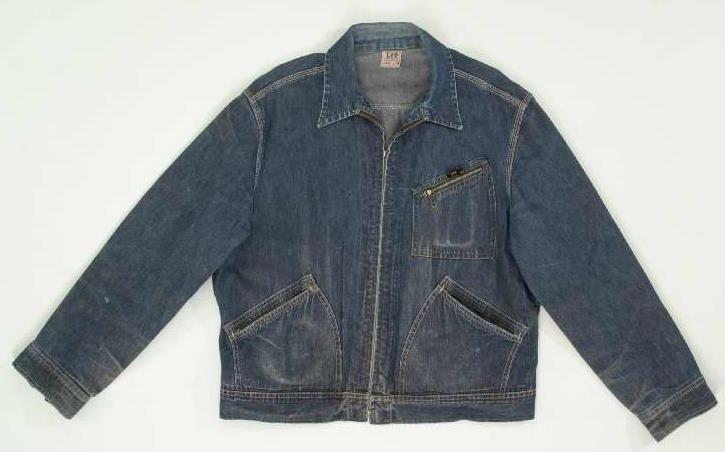
The fabrication was used in several of Lee’s iconic workwear products, including overalls and the 91-J chore jacket. In 1925, it was introduced to wear over Lee overalls. Jelt was also used in the launch of the 91B, a waist-length zipper-front work jacket with angled pockets, introduced in 1940 and consistently sold until 1982.
The strength and durability of the fabric was a key feature for advertising. In the mid-30s, Lee partnered with American cartoonist Robert Ripley, showcasing nearly unbelievable feats all without tearing or splitting the fabric. The first photograph ad of the 91B also highlighted its durability.
The unique fabric has endured denim’s evolution from its roots as durable workwear to becoming a treasured addition to heritage-inspired collections. Nowadays, the centennial fabric is reserved for select premium pieces, particularly new iterations of Lee’s heritage workwear, like the 91W jacket and carpenter pants, currently sold in Europe.
“While Jelt may not always be a featured part of our collection, it remains an integral part of our brand’s DNA,” said Frank Gilbert, Lee men’s senior designer. “Our goal is to honor its legacy while pushing the boundaries of design and performance, ensuring Jelt continues to evolve while staying true to Lee’s roots.”
This article appears in SJ Denim’s spring issue. Click here to read more.