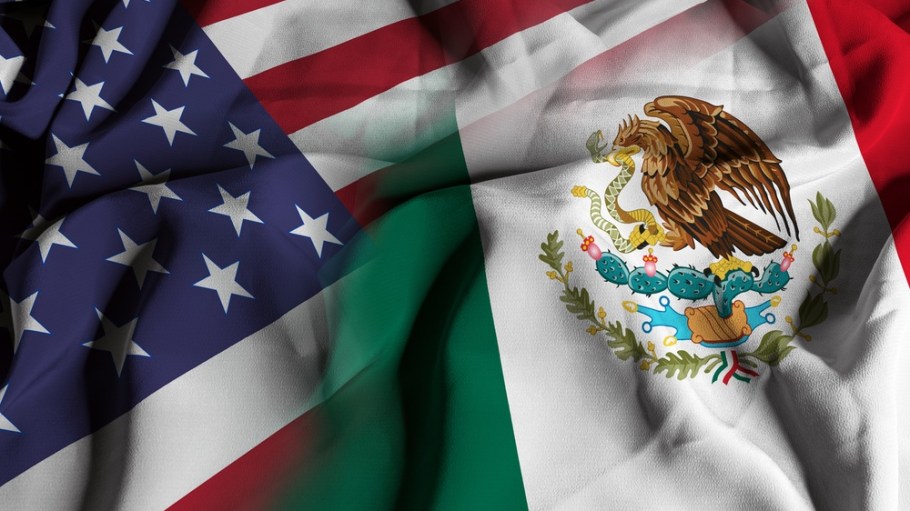
The United States and Mexico have agreed on a course of remediation to address allegations of union-busting at a denim factory in the Mexican state of Aguascalientes, which came under scrutiny following a petition submitted under the U.S.-Mexico-Canada Agreement’s Rapid Response Labor Mechanism.
The development comes after the trade partners recently announced a similar plan for a Goodyear factory found to be infringing on labor rights.
Filed by Mexican labor organization Frente Auténtico del Trabajo and the Sindicato de Industrias del Interior, a union representing workers at Industrias del Interior (INISA) 2000 on May 12, the original complaint had accused the denim facility of meddling in internal union activities and using coercion to compel them into accepting its proposed terms for collective bargaining.
Related Stories
The following month, the Interagency Labor Committee for Monitoring and Enforcement (ILC), which the Office of the U.S. Trade Representative co-chairs with the Department of Labor, said it found “sufficient, credible evidence of a denial of rights enabling the good faith invocation of enforcement mechanisms.” It made a formal request for Mexico to conduct a review, marking the sixth time it has invoked the Rapid Response Labor Mechanism under the free trade agreement but the first for the garment sector.
Meanwhile, U.S. Trade Ambassador Katherine Tai directed Treasury Secretary Janet Yellen to suspend the final settlement of customs accounts related to the entry of goods from the jeanswear factory.
“Employer interference in union internal affairs and coercion of workers to sidestep newly elected union leadership is unacceptable,” Deputy Undersecretary for International Affairs Thea Lee said at the time. “The Mexican government has indicated its support for full implementation of the labor reform. Working together, we can address the issues in this case and protect the rights of workers.”
The course of remediation, which has an anticipated completion date of Nov. 10, requires INISA 2000 to establish guidelines preventing interference in union affairs while protecting their workers’ ability to exercise their right to freedom of association. This includes relocating the union’s operations to a different work area separate from human resources, publicly issuing a written statement of neutrality that commits the company to respect the rights of freedom of association and collective bargaining, and installing and maintaining an anonymous telephone line or direct email address through which workers can report violations of their rights and breaches of employer guidelines.
The agreement also commits Mexico to provide training and regular inspections at the facility to monitor the remediation course’s implementation and ensure INISA 2000’s compliance with Mexican law regarding collective bargaining rights. Mexico will likewise offer a telephone line and/or direct email address for workers to anonymously report any intimidation, coercion or threats with respect to their selection of a union or union activities or interference in internal union affairs.
“We will closely monitor this remediation plan to ensure workers at the INISA facility can freely exercise their freedom of association and collective bargaining rights,” Tai said. “Today’s announcement reflects how continued collaboration between the U.S. and Mexico leads to concrete and effective measures to address existing labor violations and prevent new ones.”
Established in 1974, INISA 2000 is part of a wholly owned family business based in Hopkinsville, Kentucky. The facility employs roughly 700 workers as part of a larger production chain that makes jeans, many of which are destined for export to the United States. Import data suggests Inisa supplies Costco while Amazon is a former customer.